

The Controversial Joint Buyout of Electronic Arts Has Sparked Scrutiny From U.S. House Members Over Its Potential Industry Impact
46 House Democrats have signed a letter to the Federal Trade Commission (FTC), the United States financial regulator, raising concerns about the labour impacts that the controversial EA buyout could lead to. They argue that the deal, backed by Saudi Arabia’s Public Investment Fund and private-equity partners, could further destabilise an industry already hit by mass layoffs, studio closures, and shrinking job opportunities. The lawmakers want the FTC to examine whether the takeover would give the new owners even more power to set wages, cut staff, close studios, or consolidate roles across the United States gaming sector.
The letter also highlights EA’s existing influence over game development labour markets, warning that a buyoff of this scale could worsen conditions for workers at a time when many studios are struggling to stay afloat.
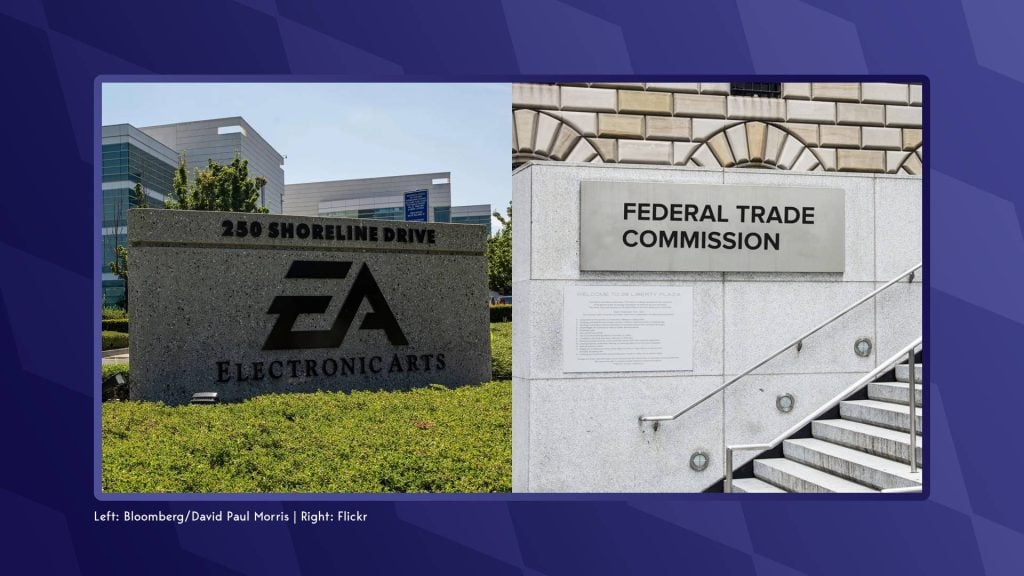
Table of Contents
U.S. House Members’ Letter on EA Buyout: In Full
Below you can find the full letter signed by the 46 House Members. You can access the footnotes here.

Congress of the United States
Washington, DC 20515
January 22. 2026
The Honorable Andrew N. Ferguson
Chair of the Federal Trade Commission
600 Pennsylvania Ave NW
Dear Chairman Ferguson,
We are writing to express serious concerns regarding the proposed acquisition of Electronic Arts (EA) by the Public Investment Fund (PIF), the sovereign wealth fund of Saudi Arabia, and private equity firms Silver Lake and Affinity Partners. We are committed to preserving fair, competitive labor markets and safeguarding American jobs, and given the impact of this acquisition on workers, labor market concentration, and the long-term competitiveness of the U.S. video game industry, we urge you to thoroughly review this transaction.
Workers in the video game industry are already navigating an environment marked by instability,
shrinking opportunities, and repeated rounds of layoffs. EA is one of the largest employers of video game workers in the United States, and evidence suggests the company already wields significant wage-setting power. For example, EA’s own disclosures show a steep decline in median worker pay year-over-year. This indicates that the company may already face limited competitive pressure to retain or reward talent. Compounding that issue, EA has eliminated more than 1,700 U.S. jobs since 2023, contributing to an industry-wide total of over 35,000 layoffs since 2022. These trends are deeply concerning as they signal a labor market where workers already have fewer alternatives and employers can impose deteriorating conditions without consequence.
Additionally, we are concerned that the proposed buyout is expected to be financed with at least $20 billion in debt, which creates strong incentives for the acquiring firms to pursue further cost-cutting measures, including layoffs, offshoring, restructuring, or studio closures. These actions would not only jeopardize thousands of high-skilled American jobs, but also further concentrate already fragile labor markets for software engineers, artists, writers, testers, and other professionals whose skills are essential to the industry.
We are also concerned that the transaction could expand EA’s labor-market dominance by combining the company’s already substantial share of employment in the video-game industry with new avenues for vertical integration and cross-industry leverage. The proposed buyers hold extensive ownership stakes across sports leagues, sports-betting platforms, talent management, and game-development tools. For example, Silver Lake’s ties to WME and TKO, along with PIF’s ownership of LIV Golf, would put EA under the same umbrella as major sports and entertainment brands that its games rely on for key licenses.
This level of cross-ownership presents risks of self-preferencing and anticompetitive coordination across these sports, sports-related talent, and sports-related video game business lines. This could, consequently, restrict worker mobility and reduce bargaining power for employees throughout the industry.
Finally, the FTC’s 2023 Merger Guidelines make clear that mergers harming workers, suppressing wages, or enabling dominant firms to reduce labor demand may violate antitrust laws. Given the scale of this acquisition and EA’s current dominance over the domestic video-game labor market, we believe careful scrutiny of this deal is essential. The transaction also raises serious concerns about interlocking directorates and common ownership across competing game publishers. This kind of overlap heightens the risk of coordinated anti-labor practices, including wage suppression, hiring restrictions, or informal no-poach dynamics and could further weaken the already limited bargaining power workers have in this industry. These risks should weigh heavily as the Commission evaluates whether the acquisition would leave workers more vulnerable to coordinated or unilateral harms.
We respectfully urge the Commission to conduct a thorough investigation into the labor market
consequences of this proposed acquisition, including EA’s existing wage-setting power, the likelihood of post-transaction layoffs, the degree of labor-market concentration in relevant geographic and occupational markets, and the role of cross-ownership in shaping labor outcomes. Workers deserve a fair, competitive marketplace where their skills are valued.
Thank you for your time and attention to this matter.
[Signatures]
What the Lawmakers Are Asking For
In their letter, the group of 46 House Democrats urge the Federal Trade Commission to launch a full review of the proposed EA buyout, saying they have “serious concerns regarding the proposed acquisition of Electronic Arts.” Their core concern is that the deal may deepen an already unstable labour landscape marked by layoffs and shrinking job security.
The lawmakers point to EA’s existing influence over wages and hiring in key development hubs, warning that a takeover of this scale could give the new owners even more leverage. The letter also raises alarms about the financing behind the deal, saying the expected debt load creates incentives for “further cost‑cutting measures, including layoffs, offshoring, restructuring, or studio closures.” They warn that such actions could jepordise thousands of high‑skilled jobs and further concentrate already fragile labour markets.
Why This Matters for The Sims and Maxis
The Sims is a big deal for EA. The franchise ranks as the companies secon best selling franchise, just behind FIFA/EA FC. The game requires large teams working on updates, bug fixes, DLC, and the next mainline iterations of the game. If the buyout results in tighter budgets, the franchise will be one of the first on the chopping block. The letter’s concerns about layoffs, offshoring and debt-driven cuts aren’t abstracts, but map directly onto the kind of work Maxis undertakes.

There is also a wider point about EA’s influence over wages and hiring. Maxis sits in development hubs where EA already shapes a lot of the job market. If ownership changes and that influence grows, it narrows options for the artists, designers, engineers, and QA teams whokeep The Sims alive. Lawkamers are essentially saying, if this deal goes through, the people making the games could end up with less stability than they do now.
The political scrutiny isn’t just about those who could be owning EA but about whether studios such as Maxis get the support they need, or whether they’ll be left dealing with the fallout of another round of corporate consolidation.
What are your thoughts on the labour impacts that EA could face post buyout? Let us know in the comments below, and stay tuned to Sims Community for all the latest on the EA buyout.


unfortunately this won’t go anywhere, the Trump family is involved in this deal…
There is other clauses in this that makes it hard too. Not only son in laws. And the cor***t PIFs. The use of AI when payments is order. And other AI legalls are in it too. But none reads the Ir’s from EA.
Unfortunately the “leaders” of this country are spineless rats so I don’t see this doing much.
I just wanna play my game knowing the people who make it are being treated nice….
So sell the company and save some jobs or stop the sale and you can be sure that this company will crash under all of its debt
if they stop the sale it won’t be under all the debt
If the company wasn’t in debt there wouldn’t be a reason to sell it.
Strike that, reverse it, then you would be correct. 🙂
Companies don’t crash from debt alone. All companies carry debt in order to finance certain activities. EA is also liable for $20 billion in debt with this sale. On January 6th, they actually paid $400 million to settle one of those debts with a bank for a material agreement made in 2016. That documentation for that transaction is reported on the SEC website, along with three other activities by three executives, including the CEO, to sell off some of their stock, probably because the Q3 report is about to come out and will likely show a decrease in profit and revenue.
The PIF is going to buy it and shred it so they maximize their profit. This means a focus specifically on the sports titles. They don’t care about The Sims or whether it crashes or burns. While Sims is big for EA, the sports titles are what keep the company minimally profitable.
While this deal is likely doomed to happen, if you are still interested in having your voice heard, you can go to the FTC website and submit a public comment. Express your concerns about what this buyout means for the employees and for yourself as a player and consumer. While it will likely not do anything, you can be satisfied in the fact that you have done all you can as an interested party.
How do you do that? I’ve been considering it after doing all the petitions I could find but I was scared of getting in trouble because I I did it wrong.