Life simulation games often succeed or fail based on the small details players notice between the major features. While character creation systems, careers, and building tools usually attract the most attention, it is often the quieter moments and smaller Paralives gameplay details that make a virtual world start feeling believable.
After spending time exploring Paralives during Early Access, some of the game’s most memorable features are not necessarily the headline mechanics, but the subtle systems layered throughout everyday gameplay. From interactive public spaces to emotional reactions affecting skill progression, Paralives already includes numerous small touches that help the world feel more active, personal, and lived in.
Table of Contents
Public Spaces Feel Designed for Daily Life
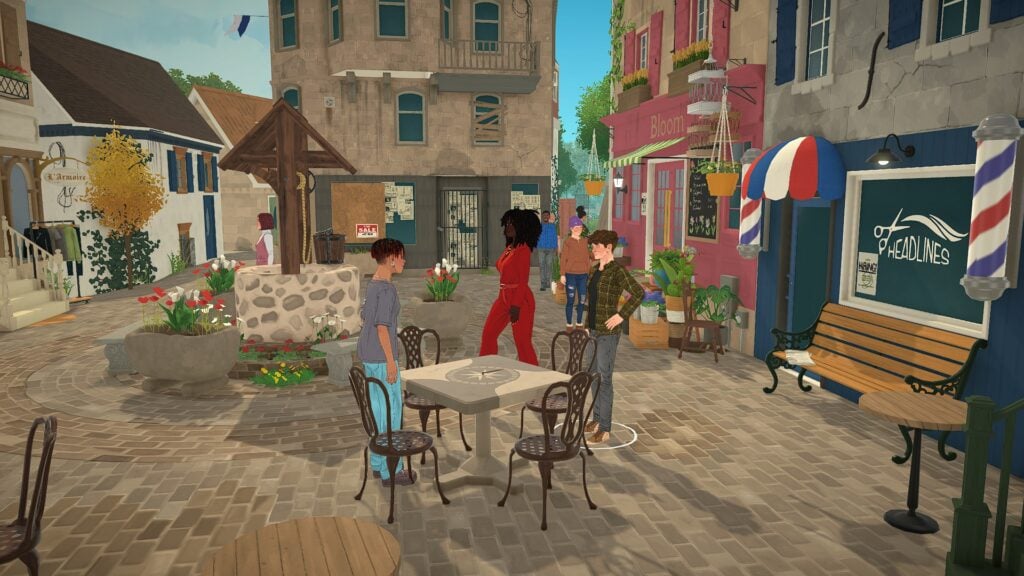
One of the first things that stands out while exploring Paralives is how much effort has gone into making the town itself feel interactive instead of decorative. Many life sims include beautiful environments, but Paralives constantly encourages players to engage with the world around them.
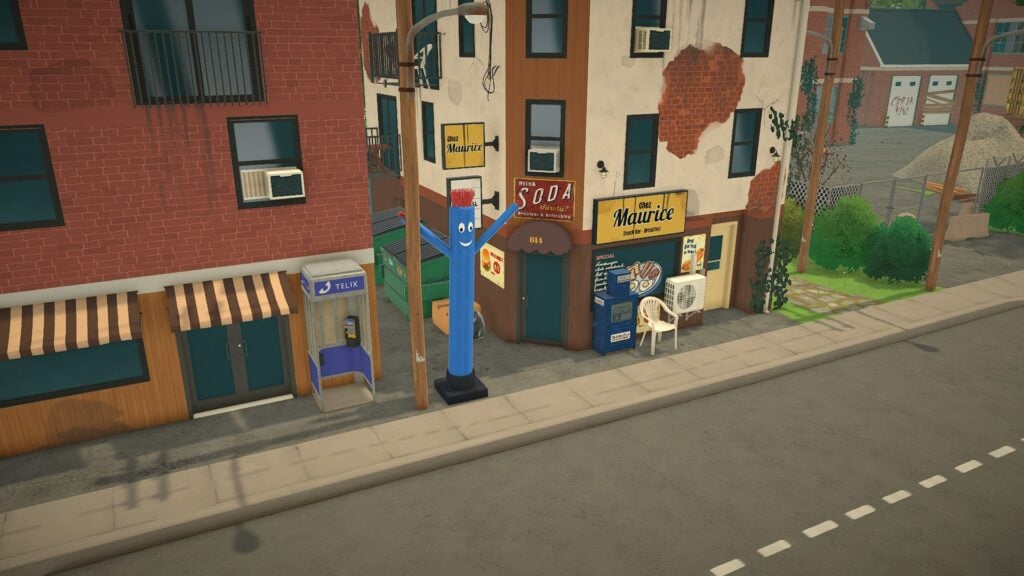
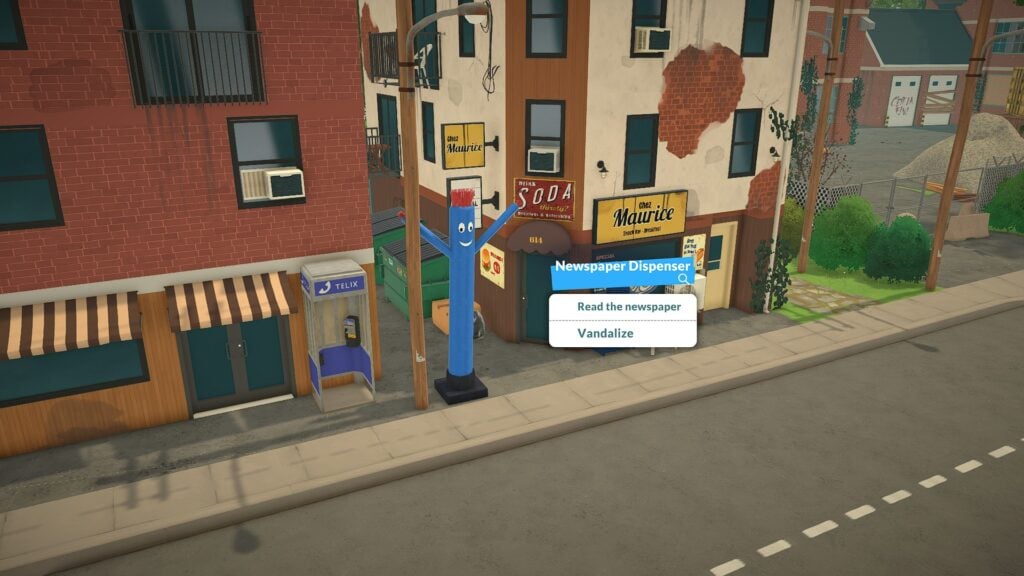
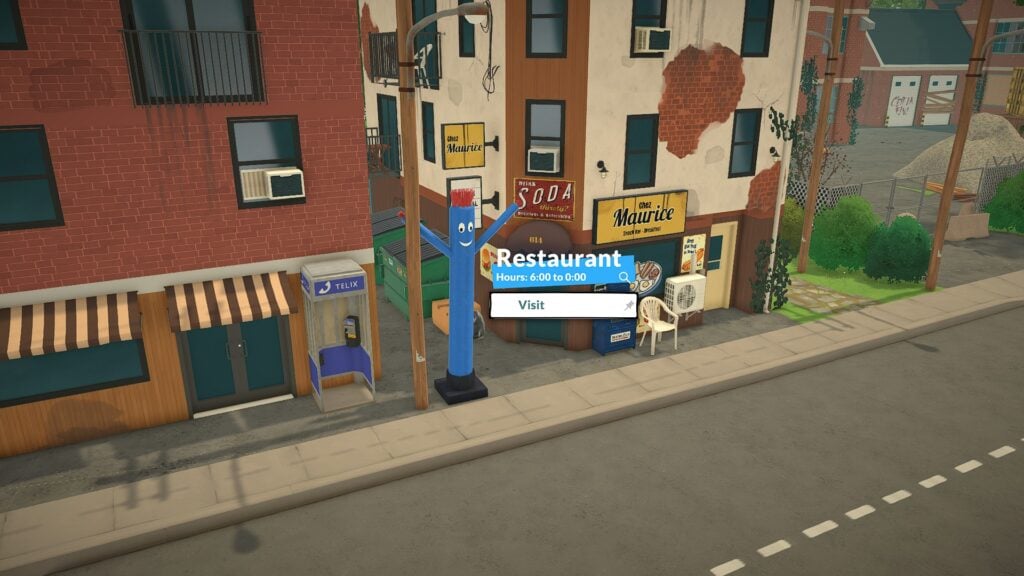
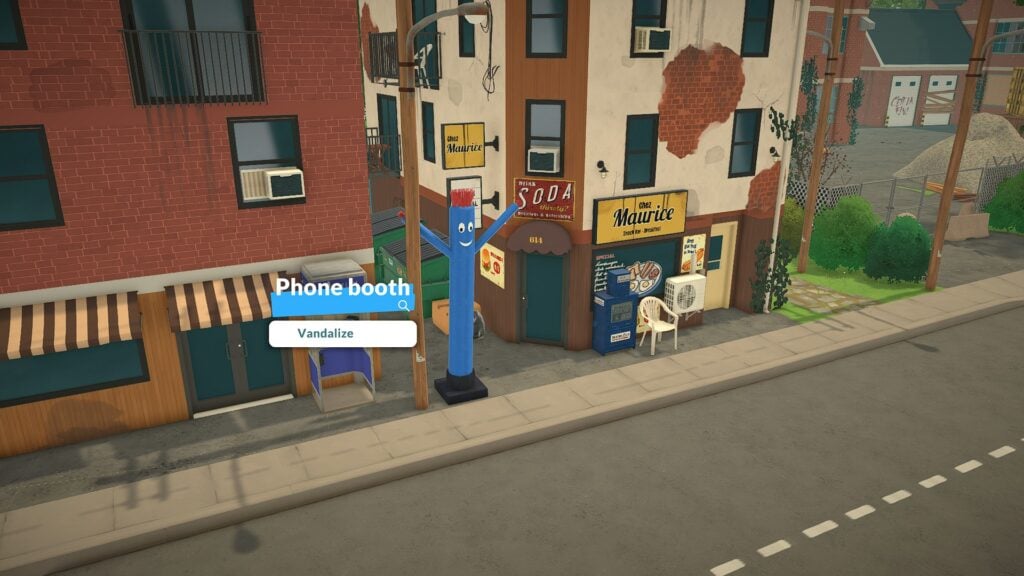
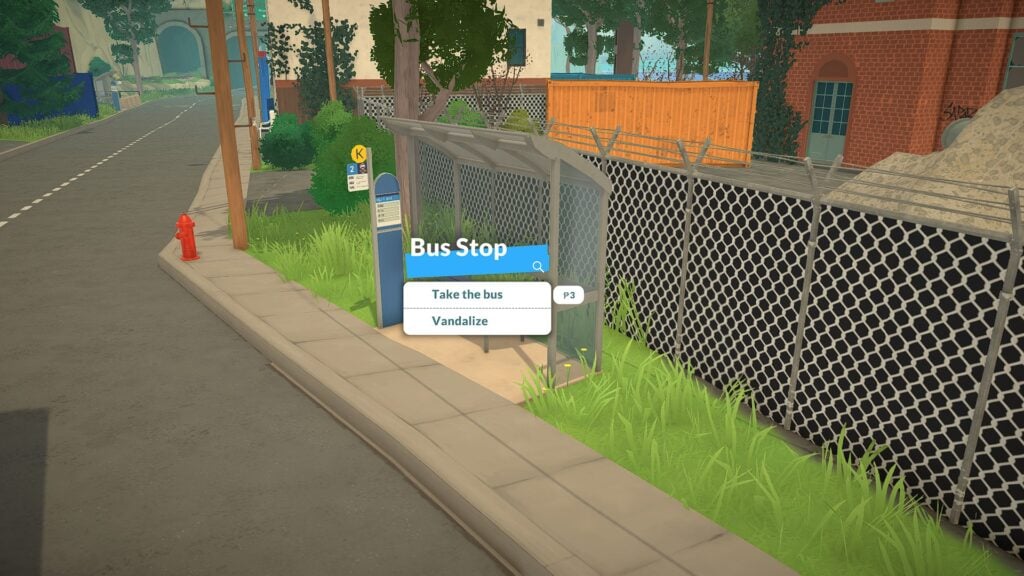
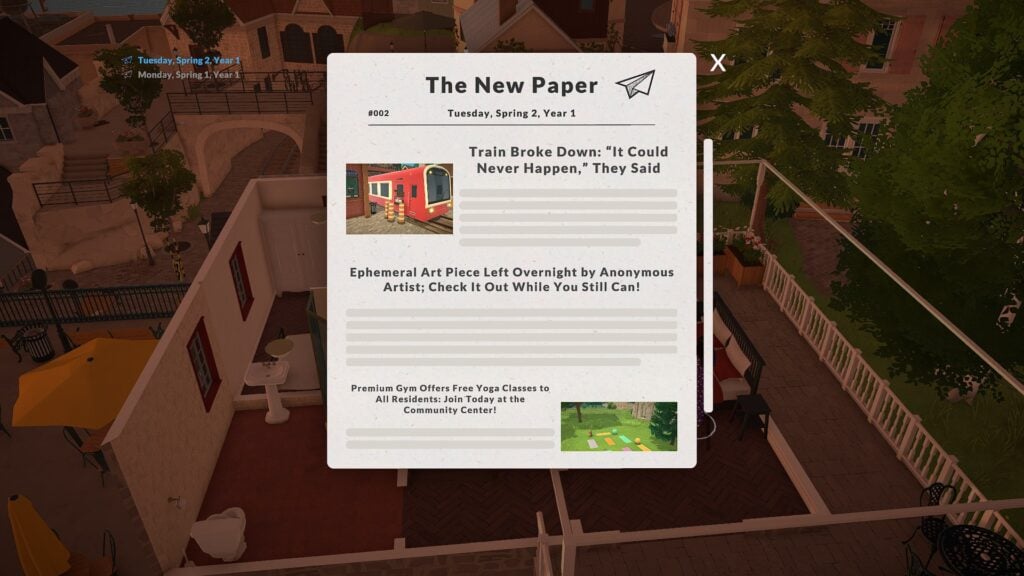
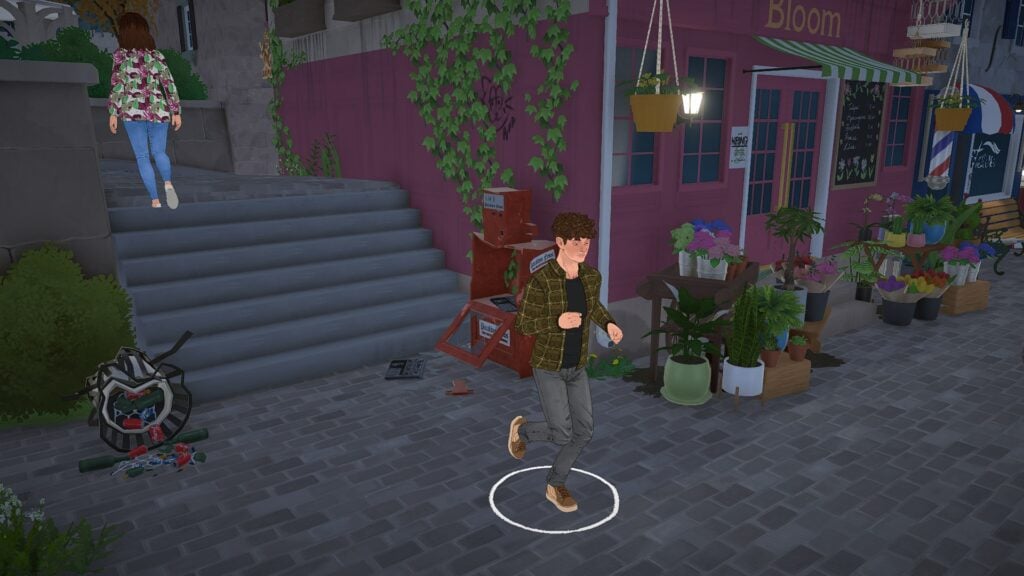
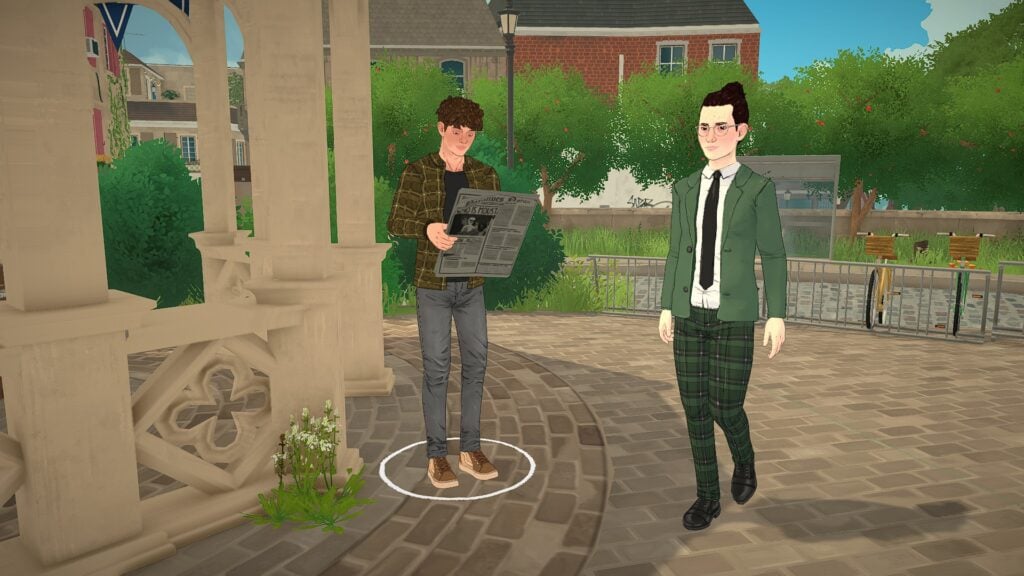
Simple objects scattered throughout town often include interactions that add personality to the environment. Bus stops allow Paras to travel around town, newspaper dispensers can actually be used, and even phone booths include mischievous options like vandalism. These interactions may sound minor individually, but together they create the feeling that the town exists for more than just visual atmosphere.
The town plazas and shopping areas also help reinforce this sense of activity. Paras gather around outdoor seating, walk through flower markets, socialize near fountains, and move naturally through public spaces that feel intentionally designed for storytelling moments. Instead of empty streets or static background scenery, Paralives frequently creates the impression of a town already in motion before the player arrives.
Paralives Gameplay Details Make Emotions Feel More Dynamic
Paralives’ emotional system feels far more connected to everyday life than a simple collection of moodlets sitting in the corner of the screen. During gameplay, Shawn’s emotions regularly influenced his social interactions, wants, reactions, and even the suggestions the game presented to the player. Whether he was feeling amused after a successful flirt, embarrassed from a failed social moment, or uncomfortable because his needs had been ignored, those emotional states became part of the flow of gameplay instead of feeling disconnected from it.
What helps the system stand out is how emotions naturally carry over into conversations and daily activities. After building confidence socially, Shawn received new interaction options tied to recent events, including discussing his new piano purchase or bragging about completing a want. Other moments felt more awkward or uncertain, especially when emotional reactions changed the tone of conversations in real time. Small details like posture changes, facial expressions, and shifting dialogue options helped social situations feel more dynamic and personal.
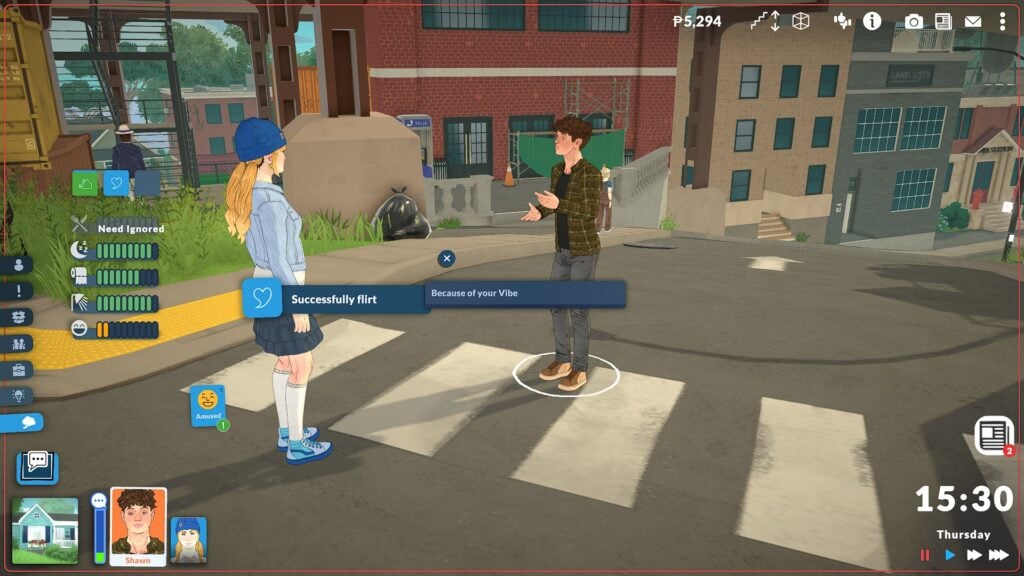
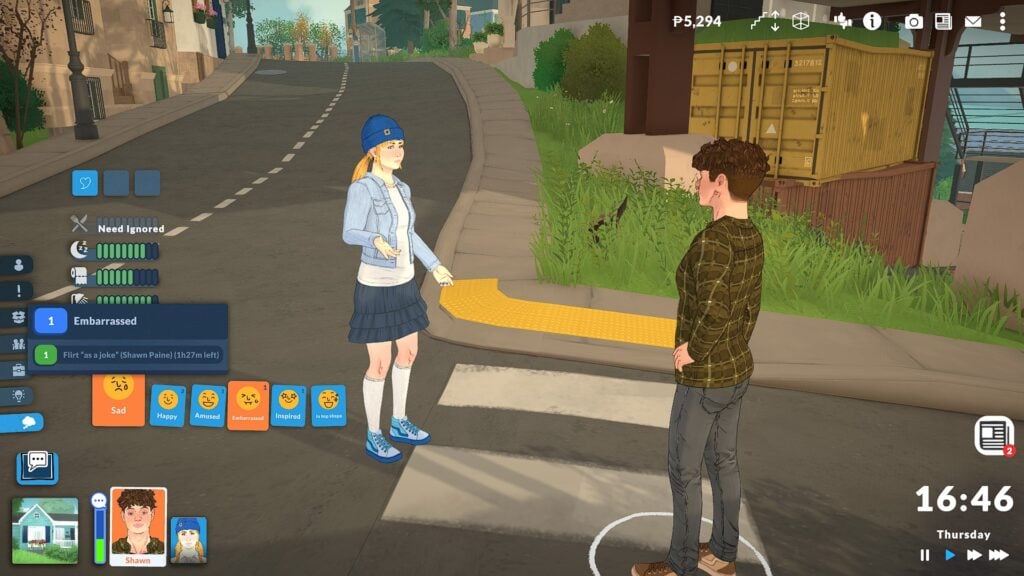
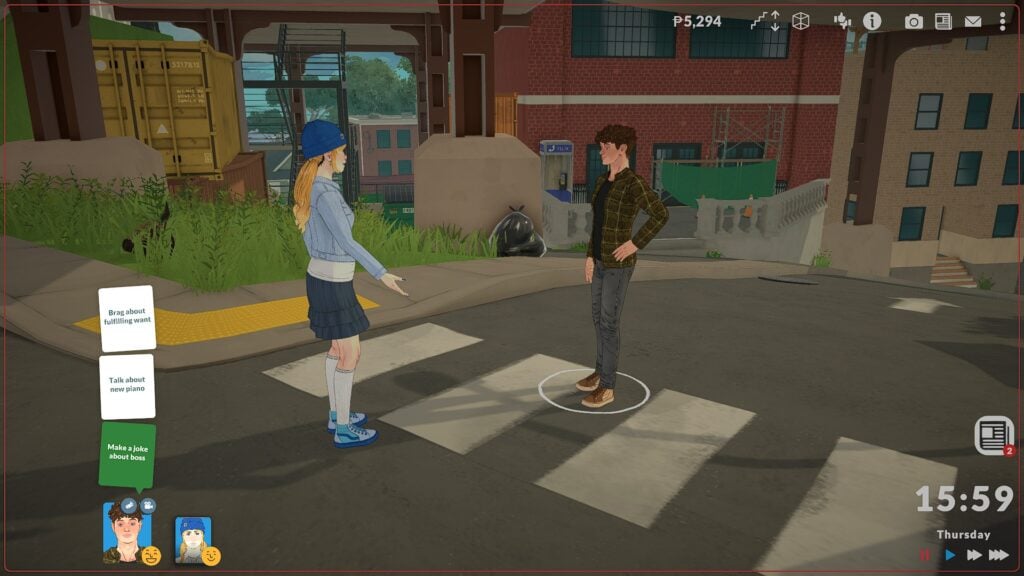
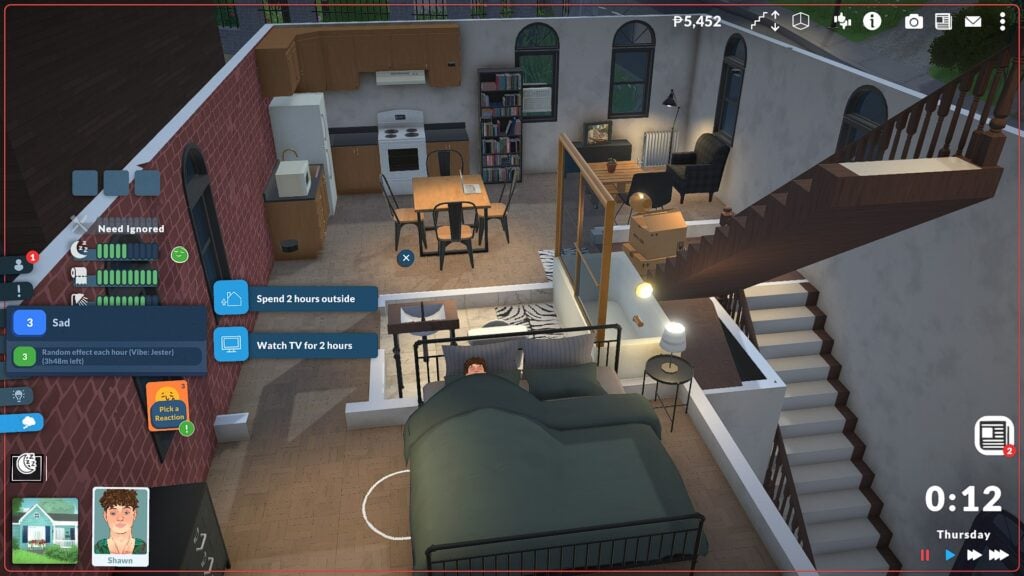
The emotional system also blends nicely with the slower, cozy atmosphere Paralives is aiming for. Parafolk react to their environment, routines, and recent experiences in ways that make them feel more aware of what is happening around them. Combined with the town’s quieter pace, social encounters, emotional reactions, and everyday routines help create a simulation experience that feels more grounded and lived-in.
Skill Building Feels Connected to Everyday Activities
Another detail that helps Paralives feel immersive is how naturally skill progression fits into ordinary life. Instead of separating progression systems from daily routines, many activities contribute to long-term development in believable ways.
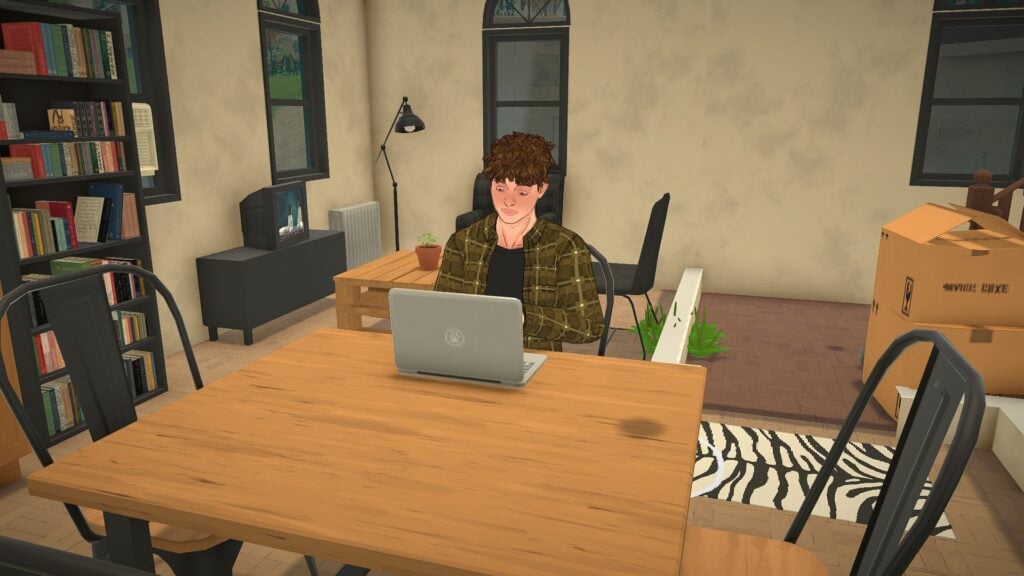
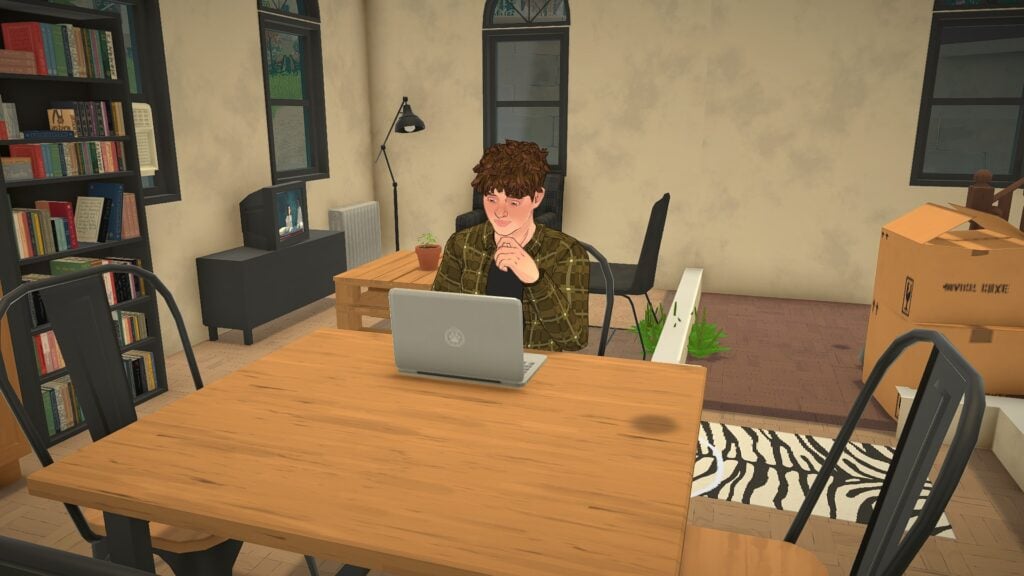
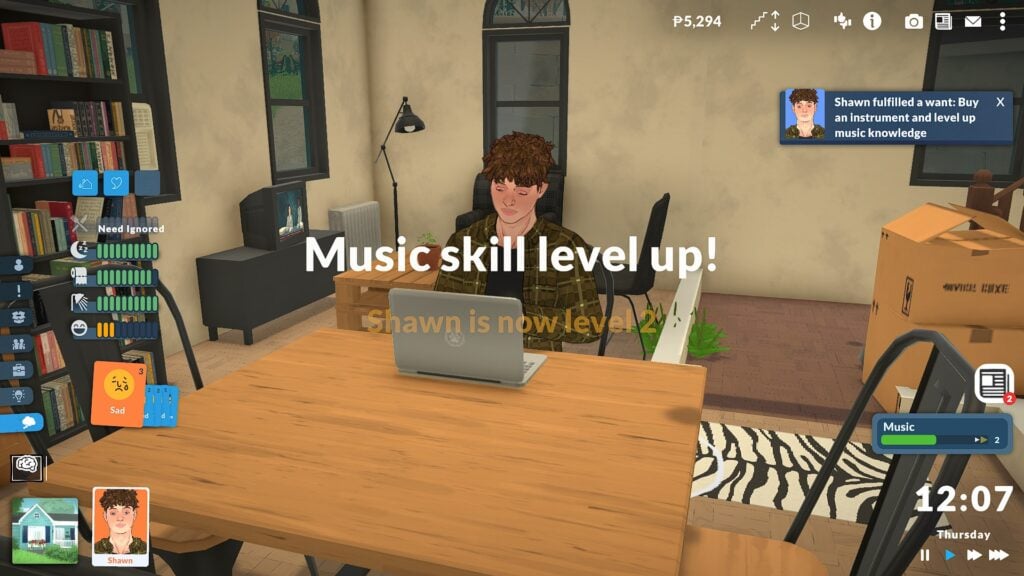
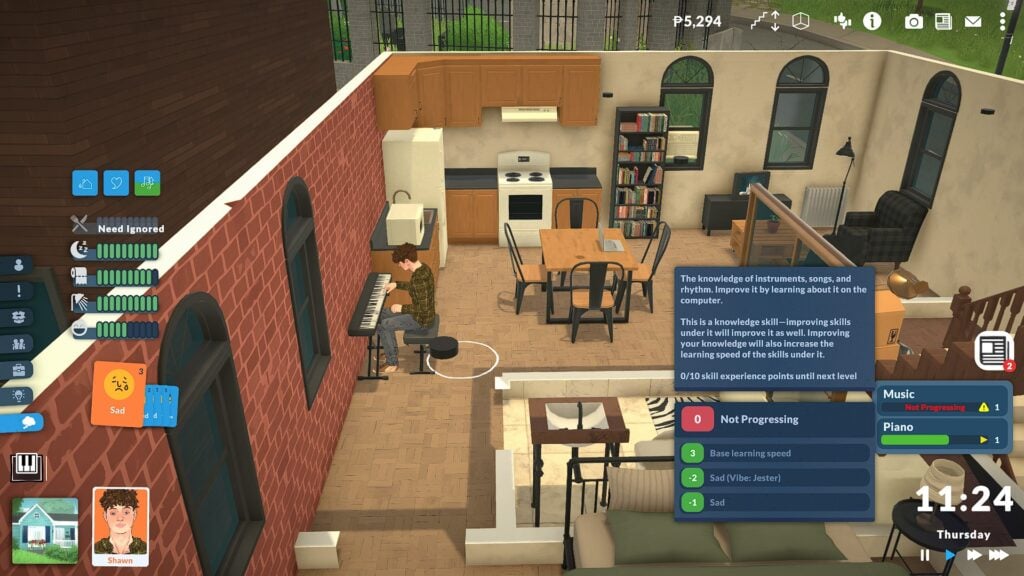
Practicing piano increases music knowledge, researching on the computer improves learning, and cooking can unlock entirely new recipes over time. Notifications for recipe discoveries and skill level increases make progression feel rewarding without constantly interrupting gameplay.
The game also introduces small aspiration-like wants that encourage players toward new activities. Purchasing an instrument, improving a skill, or socializing with other Paras can all tie into ongoing personal goals. These smaller objectives quietly guide gameplay while still allowing players freedom to create their own routines.
Apartments and Neighborhoods Feel Believable
Paralives also succeeds in making its environments feel grounded and lived in. Starter apartments are not oversized dream homes filled with expensive furniture. Instead, many spaces feel compact, practical, and realistic for young adults just beginning their lives.
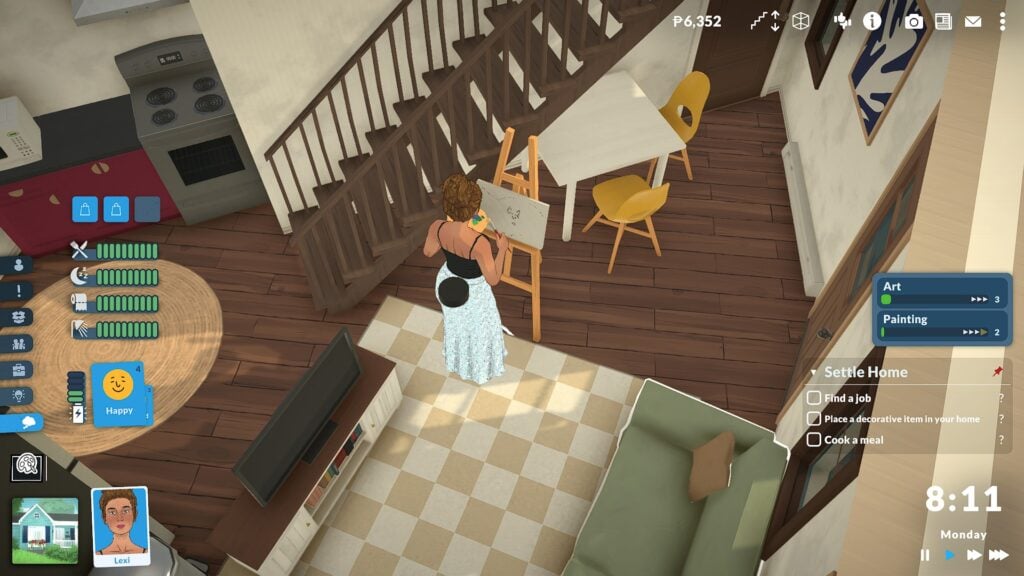
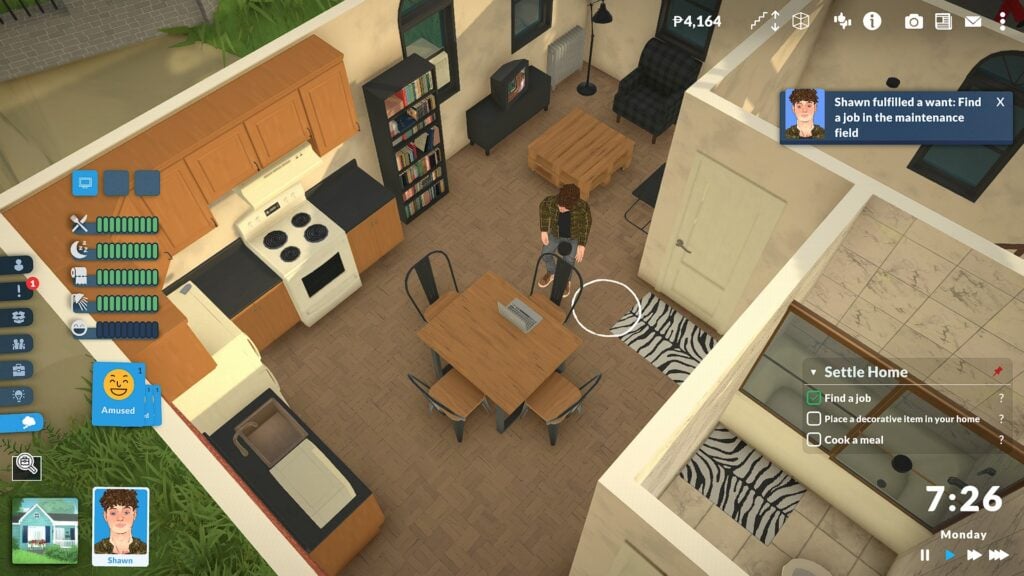
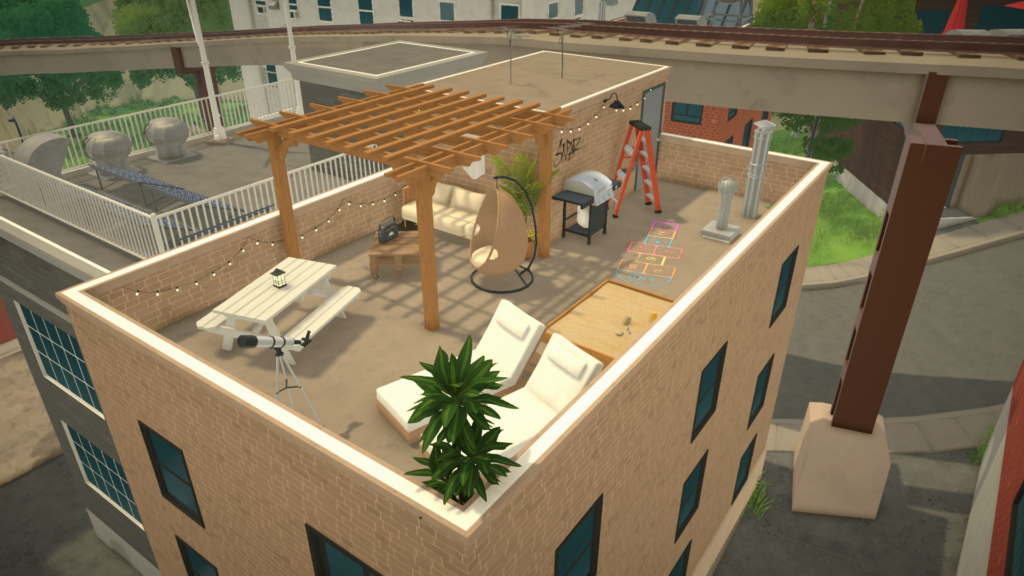
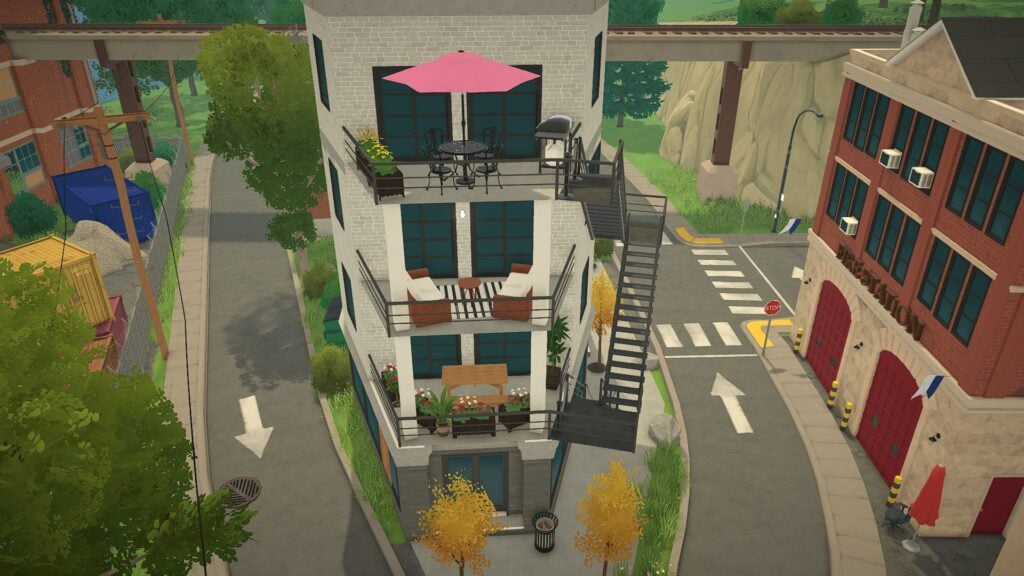
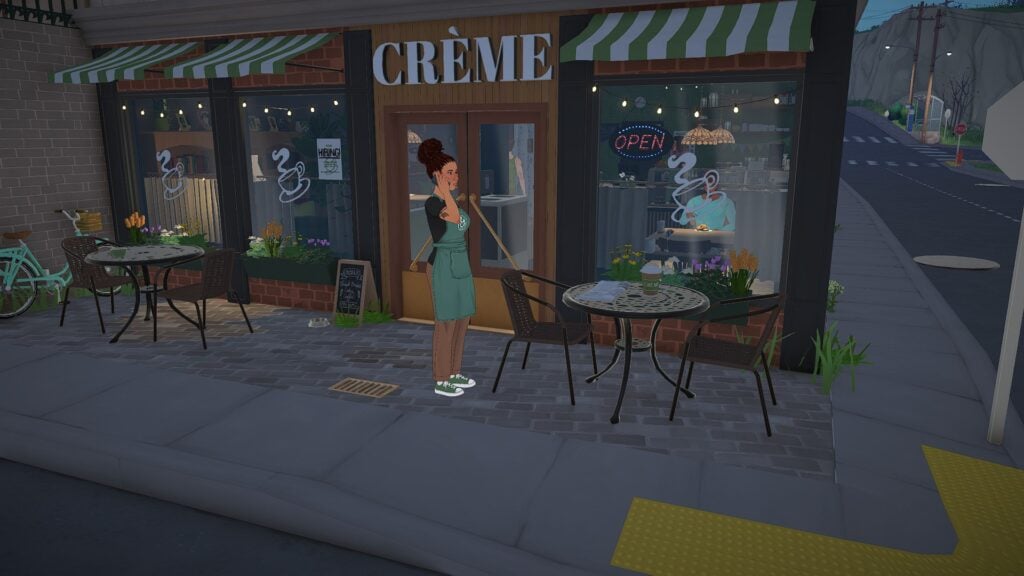
Small kitchens, stacked bookshelves, rooftop patios, mismatched décor, and partially cluttered living spaces help apartments feel personal rather than overly polished. Even the architecture throughout town includes imperfect details like aging walls, patched buildings, narrow alleys, and mixed storefronts.
This balance between cozy and slightly worn gives Paralives a unique atmosphere that feels closer to a real neighborhood than a perfectly curated showcase world.
The vertical design of many buildings also helps the town stand out. Rooftop terraces, layered apartments, exterior staircases, and elevated public spaces create a sense of density that makes the environment feel larger and more connected.
Final Thoughts
Some of Paralives’ strongest moments happen during completely ordinary activities. Sitting alone at a kitchen table while researching music online, practicing piano in a small apartment, learning a new recipe, or spending time in a lively town square all contribute to the game’s relaxing atmosphere.
Even at this stage of development, Paralives already captures a comforting “slow living” energy that makes everyday routines feel enjoyable to watch unfold. While larger systems will continue evolving throughout Early Access, these smaller gameplay details already help establish the game’s personality.
Sometimes it is not a single major feature that makes a life sim feel immersive. It is the collection of subtle interactions, emotional systems, environmental storytelling, and quiet routines that slowly make a virtual world feel believable. Paralives may still be growing, but many of those small details are already helping the game feel alive.
Paralives is currently scheduled to launch into Early Access on Steam on May 25, 2026. Players interested in learning more or wishlisting the game can visit the official Paralives Steam page.
What small gameplay detail are you most excited to experience in Paralives Early Access, or what feature has already stood out to you the most so far? And, for more information about Paralives, upcoming features, and additional Early Access coverage, readers can also visit the Sims Community Paralives Section for the latest news and updates.