

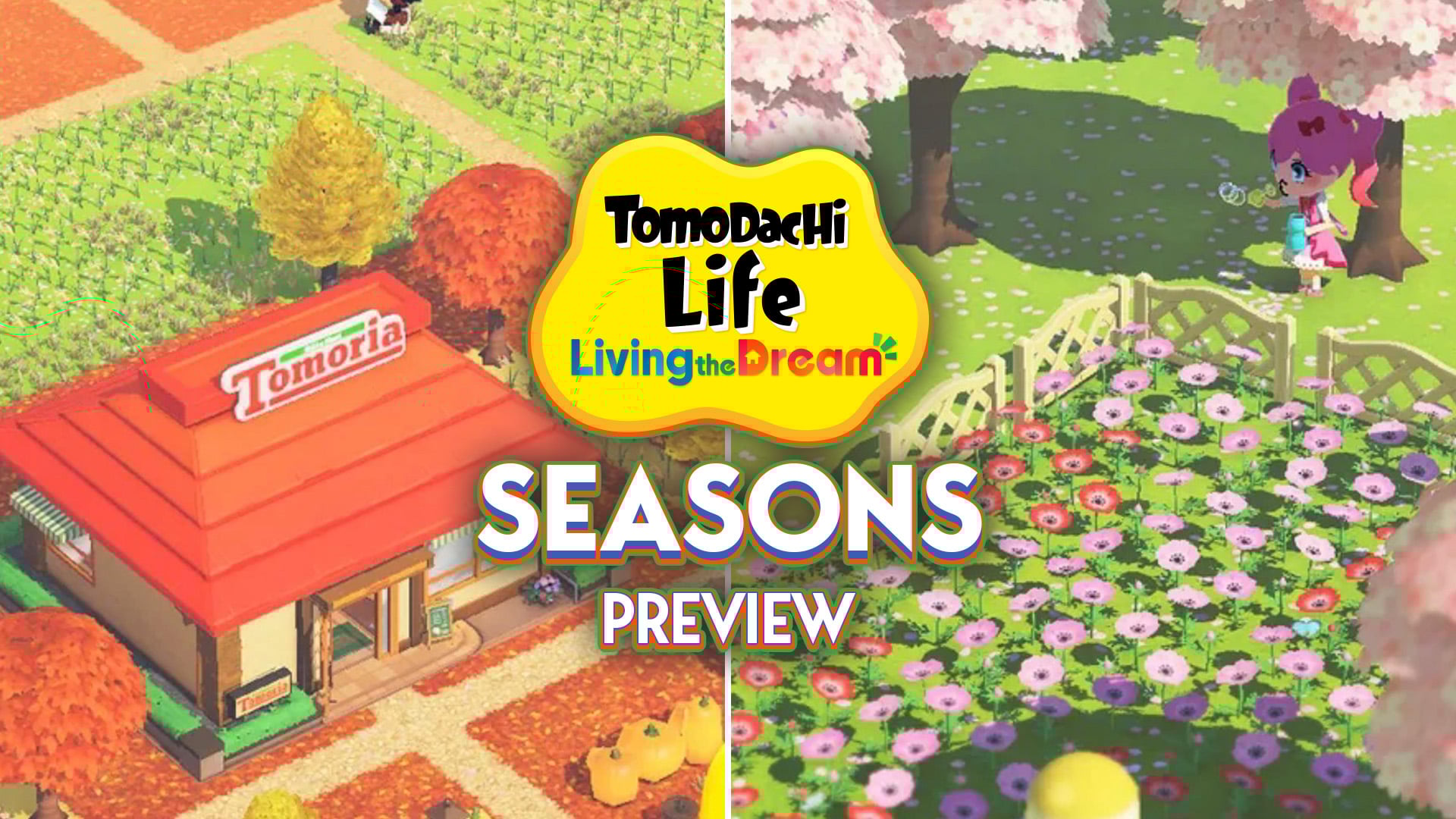
Tomodachi Life: Living the Dream release is just around the corner, and plenty of new and classic features have already started to emerge. One returning feature from the previous game is seasons. While this isn’t new to the series, players have noticed through various previews and early footage that the island’s landscape changes over time, shifting between greener tones, autumnal browns, and snowy whites depending on the season.
At first glance, Tomodachi Life seasons don’t seem to be tied to a traditional yearly cycle. Instead, they appear to function more as a customization option, giving players control over their island’s overall look and atmosphere. However, it’s also possible that the system blends both approaches, with seasons still linked to the console’s internal clock while offering additional customization on top. This would allow players to experience natural seasonal changes while also choosing specific settings at any time.
All You Need To Know
How Seasons Originally Worked On Tomodachi Life 3DS
Seasons appear to be making a return in Tomodachi Life: Living the Dream, marking the first time the feature has been seen since the last entry on Nintendo 3DS back in 2013 (2014 in America and Europe). However, seasonal features have been part of the series since its early days. Tomodachi Collection, released in 2009 for Nintendo DS in Japan, already introduced a basic version of this system.
The island would reflect the time of year based on the console’s internal clock, introducing small visual changes and simple seasonal events. It wasn’t a deeply complex feature, but it helped give the game a sense of time passing and made the island feel more alive.


This idea was expanded in Tomodachi Life for Nintendo 3DS. Seasons still followed real-world time, but their presence felt more noticeable across the experience. The overall look of the island would shift depending on the season, and shops would offer different items throughout the year. Certain events and small details, including some dialogue, also reflected the current season, reinforcing the feeling of a shared timeline between the player and the game.
A Look Into Tomodachi Life Seasons
Official images shared by Nintendo through trailers and its app Nintendo Today! clearly showcases seasonal variations, such as autumnal landscapes and spring settings with blooming cherry blossoms. However, players have noticed that these changes don’t seem to be tied to a dynamic system. There are no visible animations directly linked to seasonal transitions (at least from what we’ve seen so far), such as leaves falling or weather shifting over time.
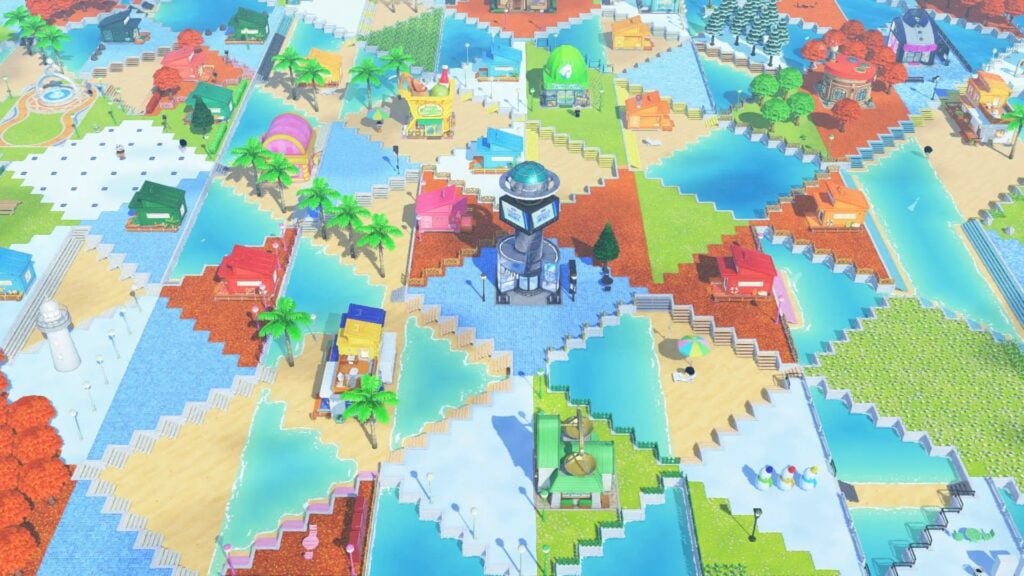
Seasonal elements appear to be treated as individual items that players can obtain through the in-game shop, ranging from snowy ground and winter decorations to autumn foliage or bright, summery greenery. While these details point toward a more flexible system where different seasonal aesthetics can be combined freely, they don’t necessarily rule out a broader seasonal cycle.
Instead, this could suggest a hybrid approach, where the island still reflects the time of year while also allowing players to customize and layer additional seasonal elements on top. This would give players the freedom to shape their island’s atmosphere, whether by enhancing the current season or creating unique scenes for gameplay or photos.
This idea becomes even clearer when looking at official footage, where different seasonal elements appear to coexist across the same island. Instead of the entire environment shifting uniformly, certain areas feature distinct seasonal aesthetics at the same time, from snowy patches to lush green spaces or autumnal tones.
What Kind of Tomodachi Life Seasons Can We Expect?
Based on what has been shown in official images so far, players can expect a familiar seasonal experience in this new Tomodachi Life entry, but with a noticeable twist that sets it apart from previous games. Rather than choosing between a real-time system or full customization, the game may combine both approaches. Seasons could still reflect the system’s internal clock, while also giving players the freedom to use seasonal elements as customization options. This would allow the island to feel alive and evolving, while still letting players shape its appearance to match their preferred time of year.
With Tomodachi Life: Living the Dream releasing on April 16th, players won’t have to wait long to see how this new take on seasons actually works in practice. It’s a different approach, but one that could open the door to more creative and personalized island experiences.
What do you expect from seasons in the new Tomodachi Life game? What will you try first? Let us know in the comments, and stay tuned for more Tomodachi Life updates on our site!





0 Comments
Be the first to comment.
Welcome to Sims Community!
Our community is about connecting people through open and thoughtful conversations. We want our readers to share their views and exchange ideas in a safe space.
In order to do so, we've created a simple set of rules that will improve your experience. Simply put, keep it civil.
Your post will/might be rejected if it contains:
User accounts will/might be blocked if we notice:
So, how can you be a power user?
Thanks for reading our community guidelines. Please note that we're aware of certain issues with Sign In / Log In and Create Account / Email Confirmation issues. We're working behind-the-scenes on a new Account Creation process. Thank you for your patience and remember - freedom of speech is not freedom of reach