

"I was there, Gandalf."
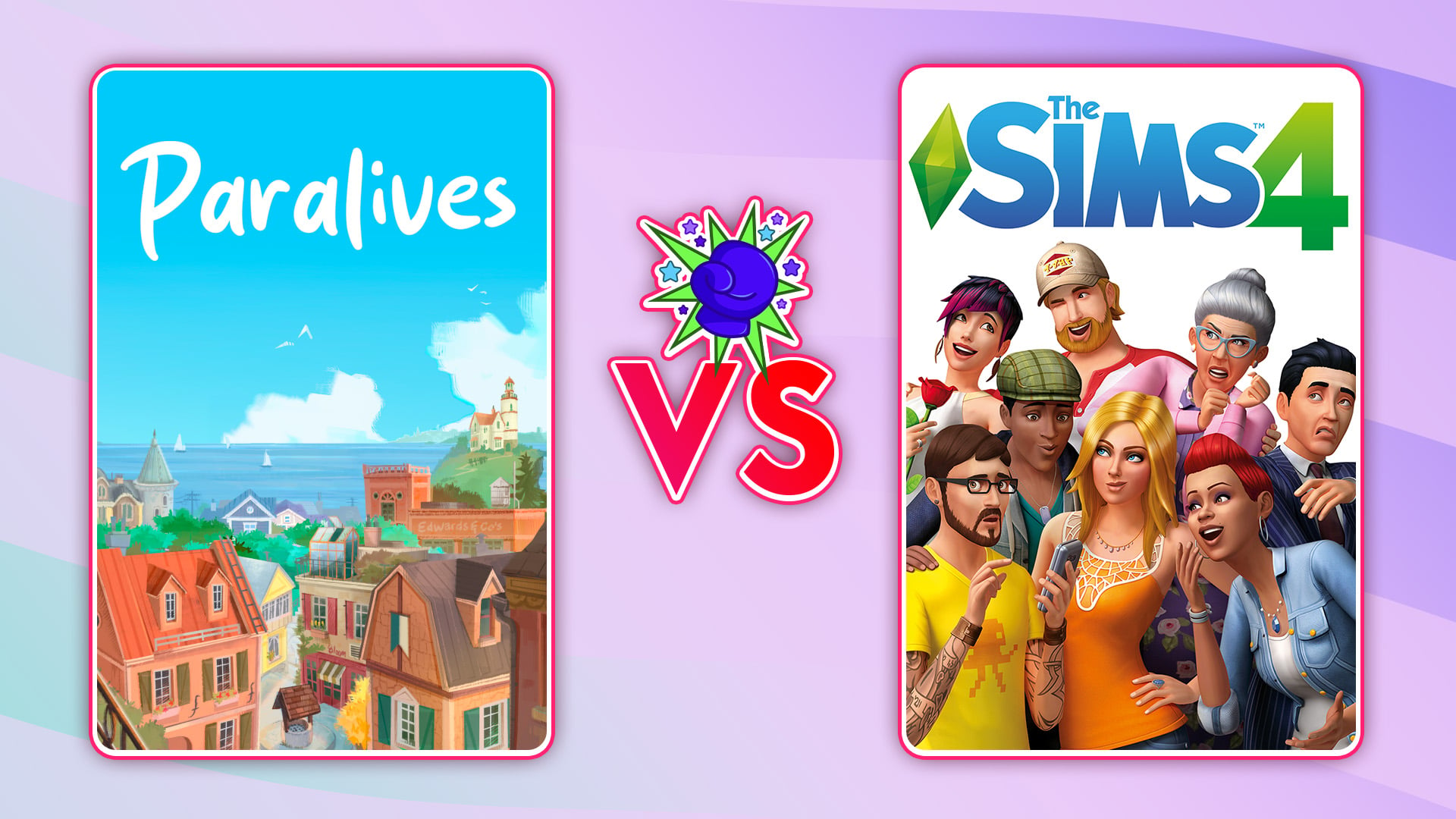
With the now rapidly approaching release of Paralives into Early Access on May 25th, 2026 (which, as of writing this, is just a little over a week away) enthusiasts of the Life Simulation genre are waiting in the wings with baited breathe to see whether or not this highly anticipated indie game will be the new the infusion of life into the scene that players have been hoping for!
I was lucky enough to be one of the few members of The Sims Community Team tasked with playtesting an early copy of Paralives, and, while said playtesting, it reminded me of the initial anticipation around the release of The Sims 4 in 2014. The adrenaline around this next chapter of The Sims franchise and how it might leave it's mark on it's now twenty-six year long history. It made me wonder how similar (or dissimilar) the two truly are now that Paralives is at the beginning of a promising lifespan.
For this comparison, we'll make like Emit Relevart, and go back to the past. Not just to get a better perspective on the early days of The Sims 4, but also to visualize how much of an influence (if any) it may have played in the development of Paralives and the way it's presented for this Early Access period. Because videogame development isn't just a simple matter of "Make, Ship, Sell" but the many, many steps in the process until the end-stage of production.
Table of Contents
A Refresher on Early Access
I know I got a big sigh out of someone including this section; there's just one person on their phone rolling their eyes out there. Which, okay, valid, as we've already made an article about the Paralives Team's Early Access expectations. But, I feel like clarification is important, not only for the meat of the comparison, but for anyone that still may a bit foggy Early Access as a concept. So, if you are, this is for you!
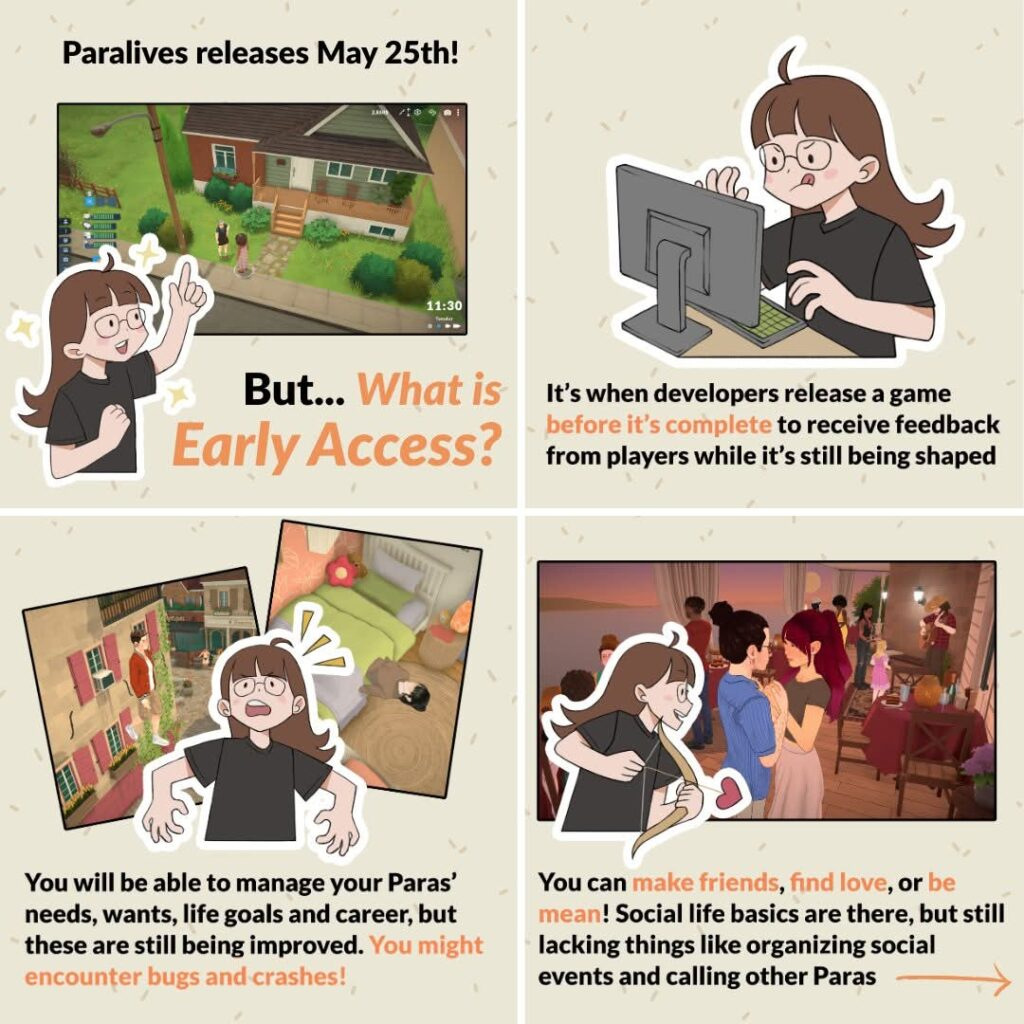
Early Access is a funding framework where videogame developers publish their respective games before they're completed for the purpose of community feedback and support. While early access is more common in the indie scene it's also found success as a medium in the AAA (or "big budget") gaming market. A great example of a AAA early access game some of you may be familiar with is Baldur's Gate 3, which was playable in early access for three years before it was officially completed.
In essence; Paralives will be coming out a little undercooked so that the community can help shape it's final form. Bugs, incomplete gameplay, and general teething problems abound. This will ebb and sway as the community gives their input and the developers finetune the details.
So, please keep that in mind as we go deeper into the article that The Sims 4 (2014) is/was a finished product in comparison to the relatively "raw" state of Paralives.
Though, of course, this isn't to say that The Sims 4 hasn't had it's share of developmental hiccups. With Paralives? We as a community will be there for every twist and during the Early Access process, but as The Sims 4 was a more traditionally produced we we're privy to it's teething issues.
The Sims 4 (Preproduction Problems)
It could be argued that some Simmers don't often parse that The Sims 4 is considered a AAA game. As one of EA's flagship properties and part of one of it's oldest franchises it can stand with some of the more traditional games it offers on it's platform in terms of engagement and profits. So, when it first launched in 2014? It was a huge deal. A bit of a bigger deal than the release of The Sims 3, you could argue, because the style direction was such a massive creative leap from what was expected of the franchise. Going from the more "realistic" graphics of The Sims 3 to the cartoony, clay-style we're familiar with today was seen as a bit of a risk.
Though that wasn't the only leap forward that had been attempted for the series.
EA has always flirted with notion of creating a multiplayer The Sims experience—from the eventual dissolution of The Sims Online, to EA's grandstanding on Project Rene's future, we've seen a variety of attempts to make it happen. The Sims 4 has also brushed up against this series-long desire of EA's with it's initial version being that of Project Olympus.
Project Olympus was The Sims 4's codename during it's earlier build stages in 2009 as a prototyped multiplayer game. While the details during this period are a bit hazy, but, due to a spur of the moment reddit Q&A with a former production member we have some details. Specifically with the scrapping of Project Olympus all together and rebuilding the game from the ground up in early 2012 because it was (and this is a direct quote) "bad".

According to multiple reports and sources, The Sims 4 development started in late 2009 up until 2014 when the game was released. Keep in mind that The Sims 4 development was in early pre-production phase up until 2012, meaning that only a small team of few people worked on game ideas and individual game prototypes. The full production of The Sims 4 as new project started sometime in 2012, when hundreds of people joined the development by the time the game was first released in 2014.
Which now (finally) brings us to The Sims 4 at release.
The Sims 4 (2014)
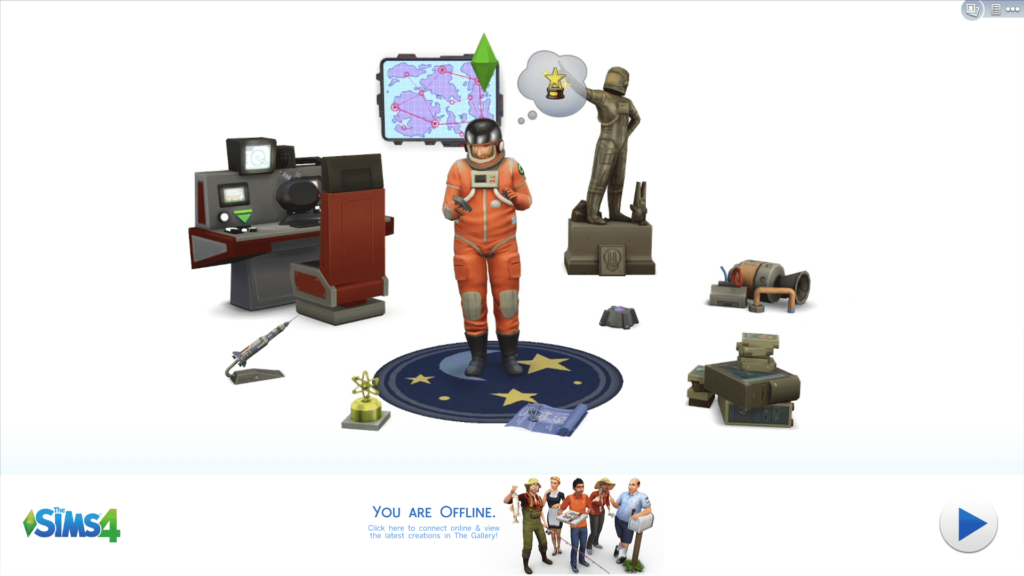
Currently, The Sims 4's base game is Free-to-Play, but at the time it retailed for $59.99 USD (or $69.99 USD, if you were feeling fancy and wanted the Digital Deluxe Edition). It was originally purchasable physically in stores on discs with included codes as well as on online.
What was in the Digital Deluxe version, you ask?
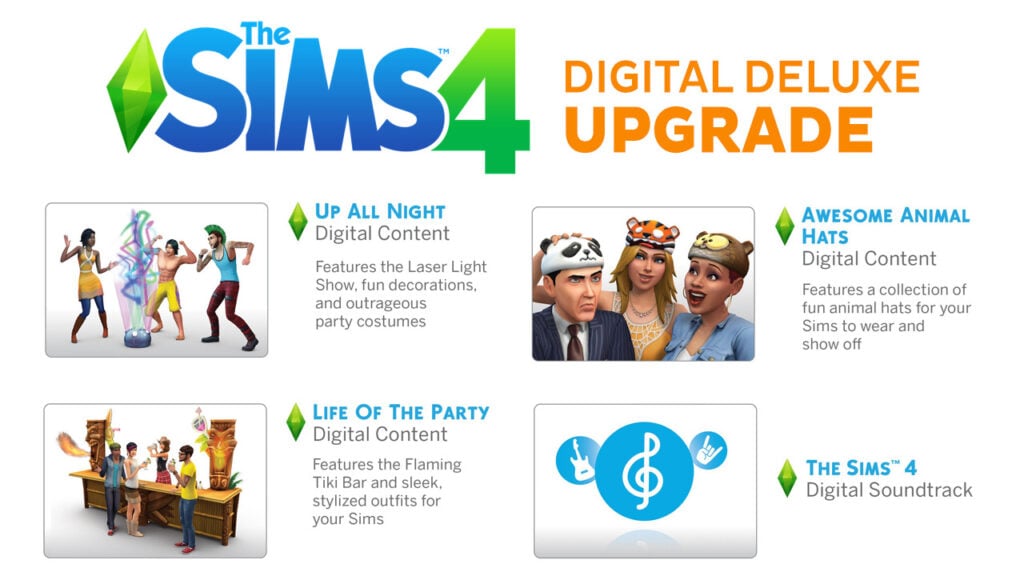
A Tiki Bar, a set of party decorations and costumes, and the "awesome animal hats"! Hurray! Isn't it worth the extra $10 USD?
That sounds very sarcastic, but I promise, at the time? We were excited.
Create-A-Sim
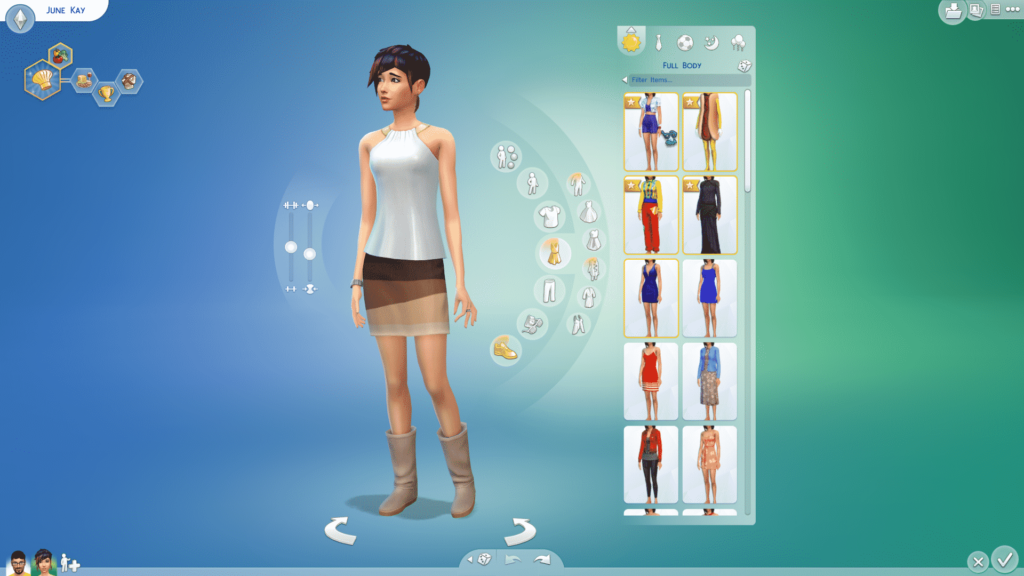
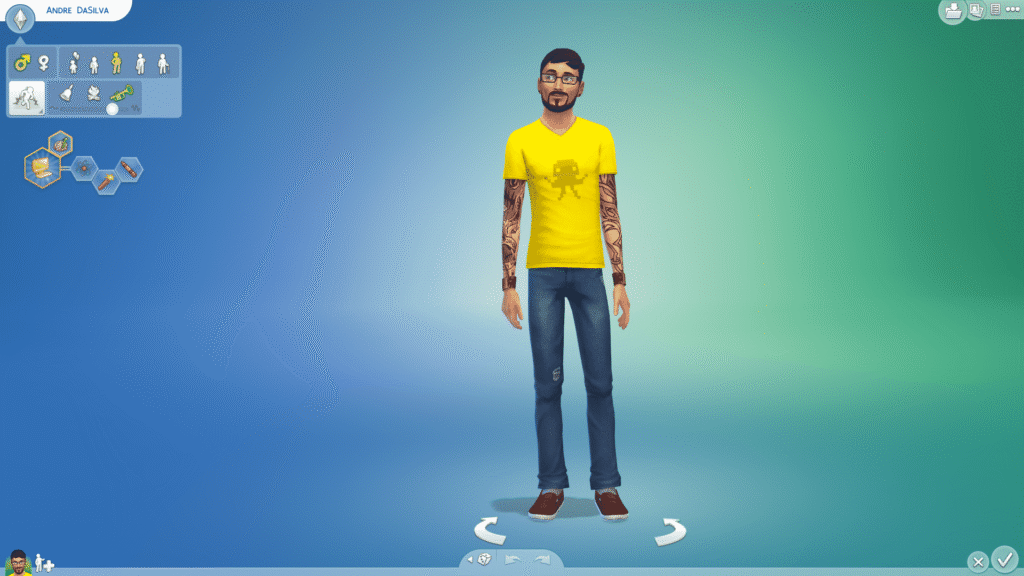
I feel like the biggest gap in The Sims 4's initial Create-A-Sim is the lack of gender settings and overall deficiency of choice. The Sims 4 has inarguably expanded so much within the last twelve years that the original base game feels jarring looking back.
At launch, you were only limited to male and female with no tweaking of reproductive preferences as we can now. There were no custom pronouns; only the use of She/Her and He/Him. Only three available voice types, and CAS was locked between the two available genders. So the freedom to share clothing between body types wasn't available. We wouldn't see the removal of all gender based restrictions until 2016.
We also only had five initial life stages at launch; Child, Teen, Young Adult, Adult, and Elder. Babies, of course, were "mere objects" locked to their bassinet after birth until they aged directly into Child Sims. We wouldn't receive the Toddler life state in a patch until 2017, three years after launch. The new-to-the-franchise Infant life stage wouldn't come until 2023 which was nine years later.
Kleptomaniac and Jealousy were two traits that were also missing as they were patched in later to correspond to the release of complimentary expansions. The Insane trait was also patched to become the Erratic trait to be more respectful.
I could go ad nauseum of what launch CAS lacked—expanded skin tones selection, the multiple hair inclusivity updates (remember the infamous "cauliflower" 'fro?), the entire Swimsuit category, the Cold Weather/Hot Weather clothing categories (which came with The Sims 4 Seasons in 2018), Eyelashes in Makeup, Medical Wearables, etcetera, etcetera. I trust you get it.
The Gameplay
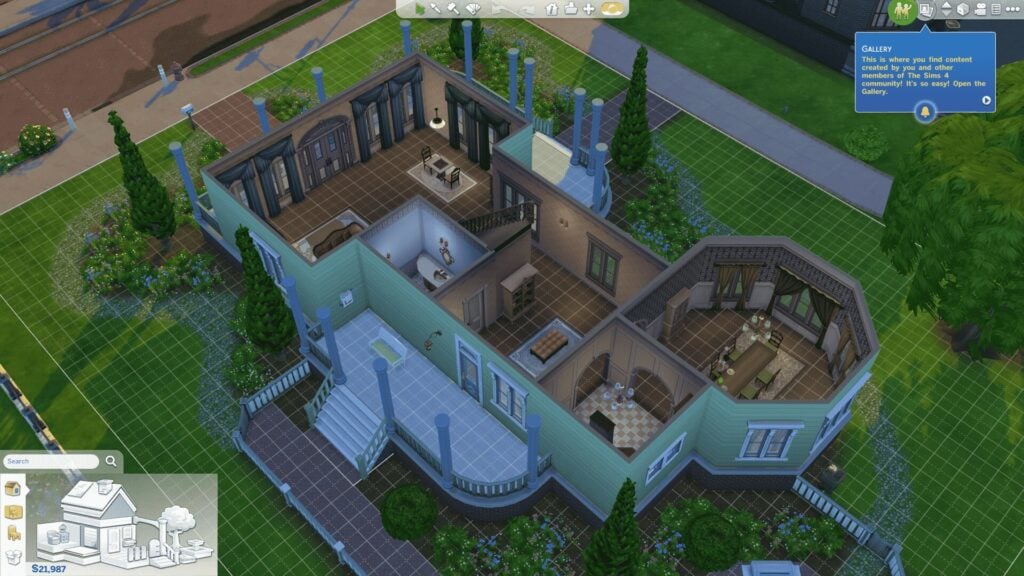
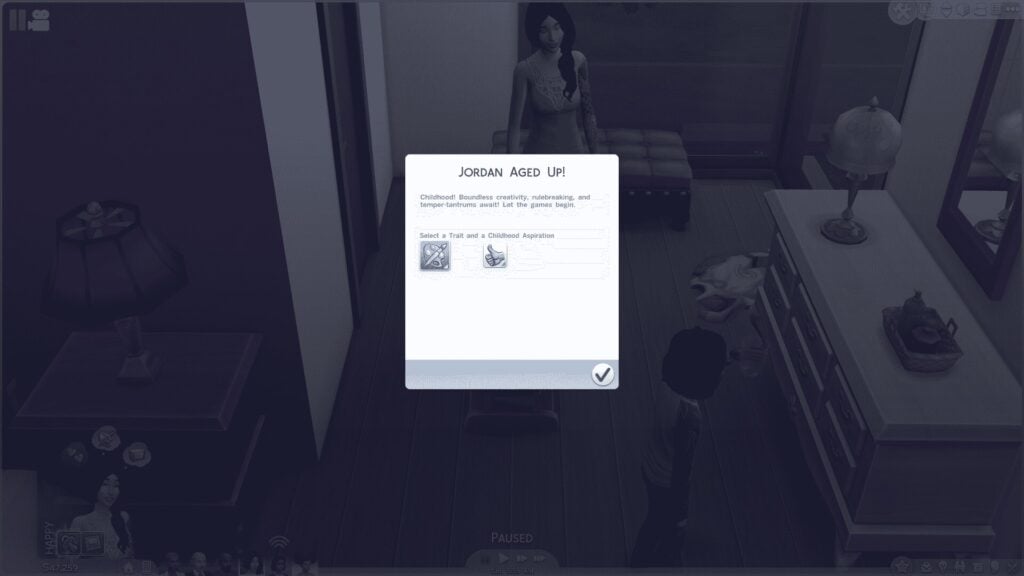
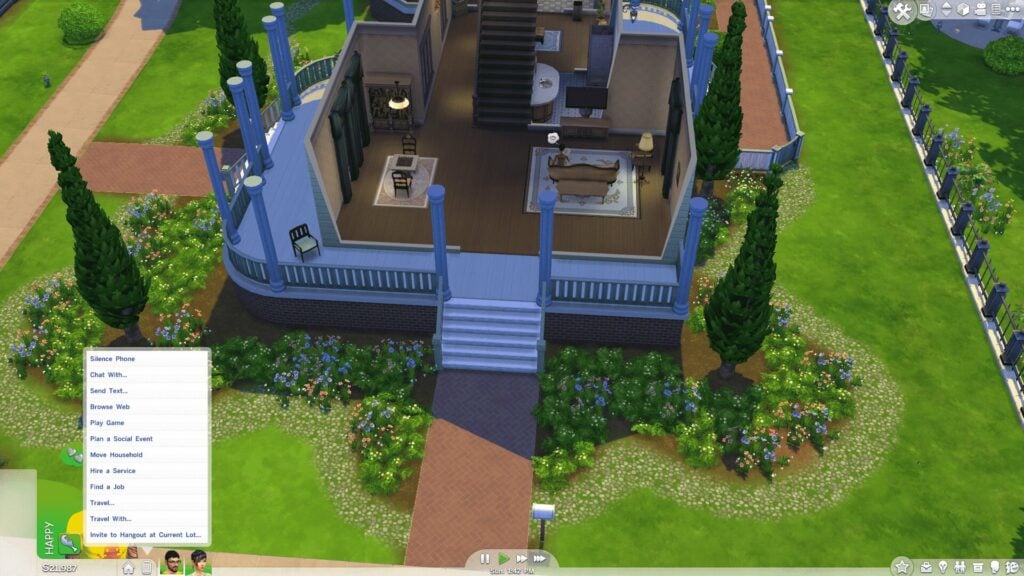
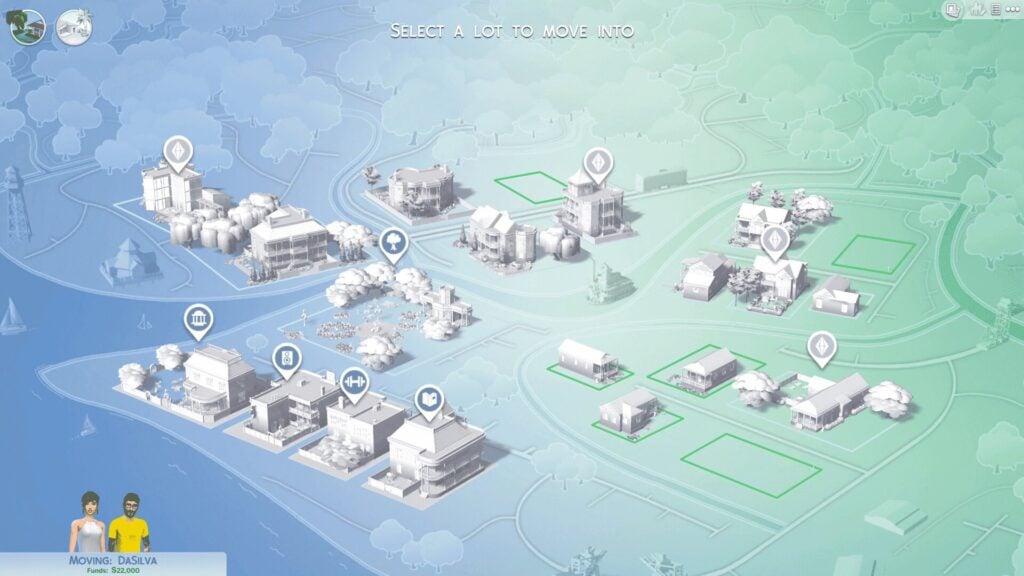
"No pools, no ghosts, and no toddlers!" Has become a bit of a memetic arc-phrase to veteran Simmers. While we've already addressed the missing Toddler life stage, and tangentially mentioned the lack of pools and swimming via the missing Swimwear category, in my opinion? The lack of ghosts was the most frustrating. While they did eventually make their return in a patch a month after launch it just highlighted the holes in available gameplay.
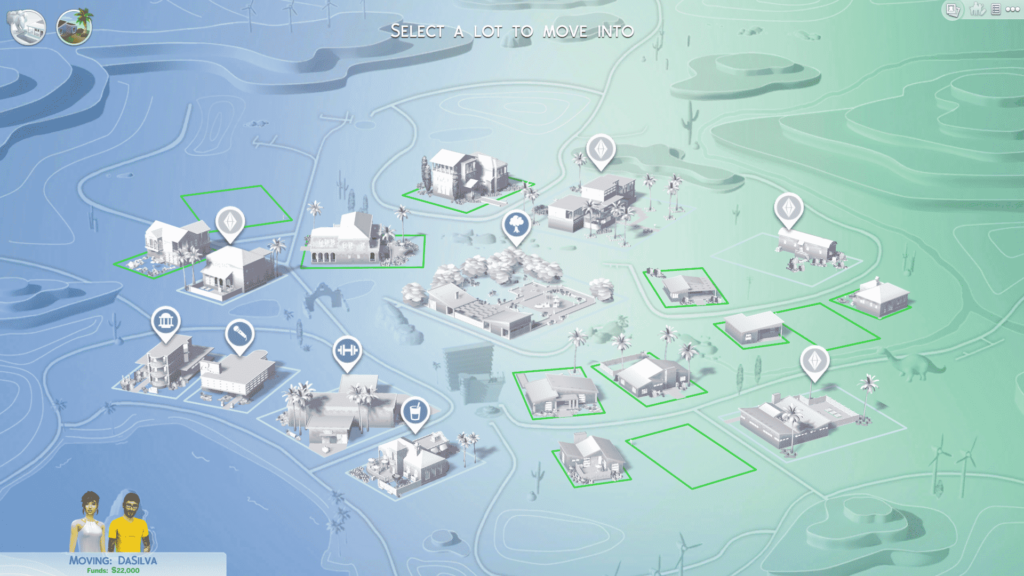
This, on top of the colorless Map Selection screen, endless loading screens, and limited the feeling of player freedom, and, in a time before Story Progression was patched in, also to a stagnant worldscape.
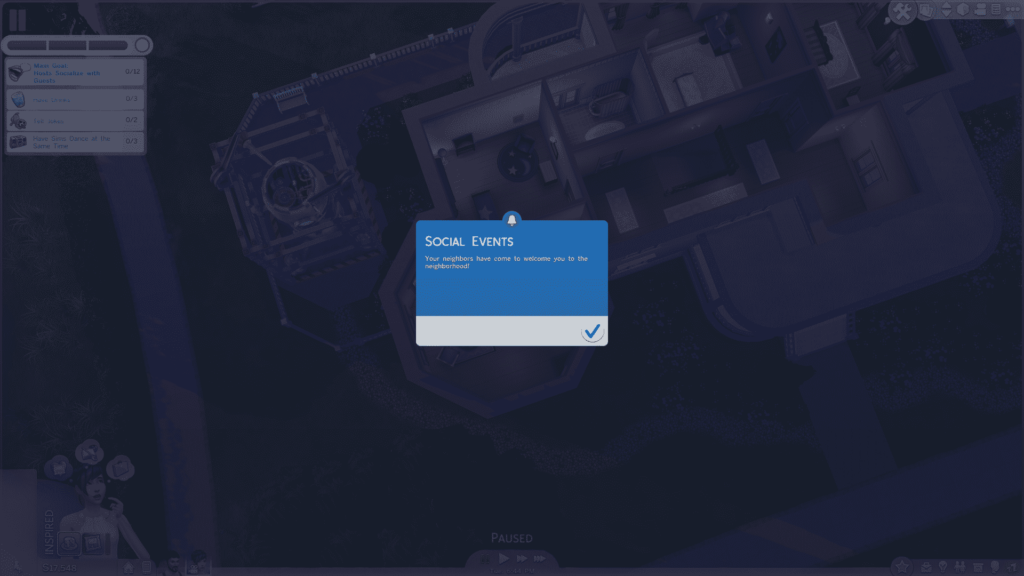
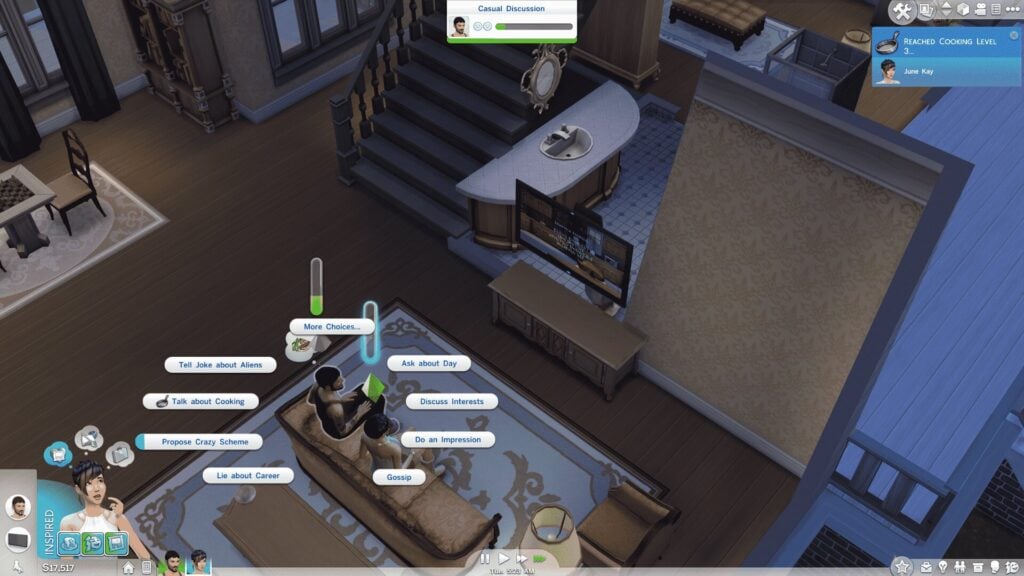
The core of early The Sims 4 gameplay was advertised as social events but...they didn't work fantastically. In a time before the seemingly dozens of Sim autonomy patches we've experienced Sim intelligence was spotty. They often moved around more than required for a conversation, and generally were more of a lovable nuissance than they already are.
Buildmode was also more limited as basements weren't available until the launch of The Sims 4 Get to Work in 2015 along with half-walls.
In general, The Sims 4 was limited, to say the least of it. While I'm sure we all can poke holes in the current experience that EA has presented for us; the game has also vastly improved. Listening to it's community and integrating certain community concerns and complaints well into it's existing infrastructure. While I want to stay as neutral as possible in this article I will say that, despite everything, I do love The Sims 4. Despite it's imperfections I still hope that The Sims Team will continue to listen to community critique and try to make the game a better experience for the rest of it's lifespan. However long that will be after a little over a decade.
Paralives (in Early Access)
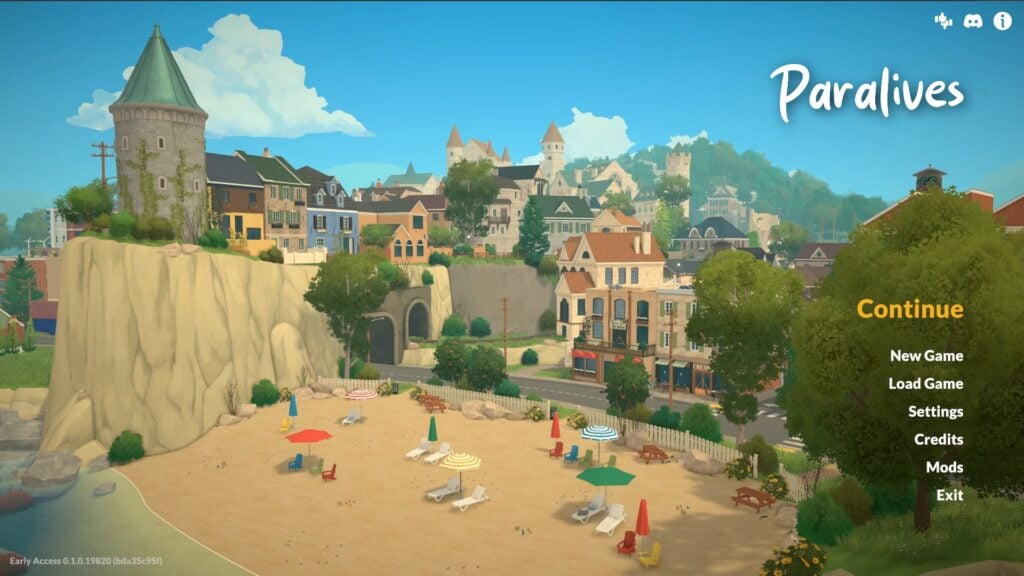
According to Steam I have played a total of almost twenty hours of Paralives since I received my review copy the previous week. That's almost a full day of gaming, and from that? I can tell you that Paralives has some very, very good bones. Doubly so for a game slated to arrive to Steam at just $35.99 USD with it's launch discount! After the launch period it will raise to a cool $39.99 USD.
I'm sure everyone is anticipating what 7 years in development to an Early Access state will provide. This section is simply just a brief overview for comparative purposes for this article. If you would like a more in-depth overview of Paralive's many features you can read one of the many articles because put out by my colleagues.
Facts About Paralives Development and Launch
- The game was announced in June 2019, with the official development start date being January 2019
- It started as a single development production effort by Alex Massé, later expanding to a team of 15 people through Patreon crowdfunding
- The game was delayed once in November 2025, but so far everything's been pretty transparent thanks to the game's direct funding and constant communication from the developers
- Unlike The Sims 4 which released as a marked "complete" product in 2014, Paralives is releasing with an "Early Access" tag. With a 40% lower price than The Sims 4 at launch and more features planned during the Early Access Post-Release Season
The Paramaker
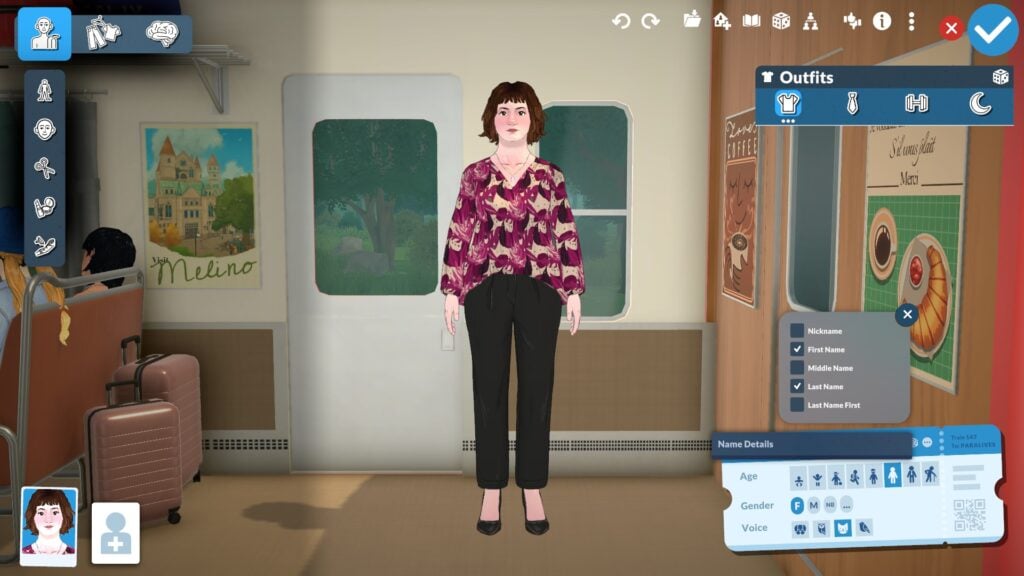
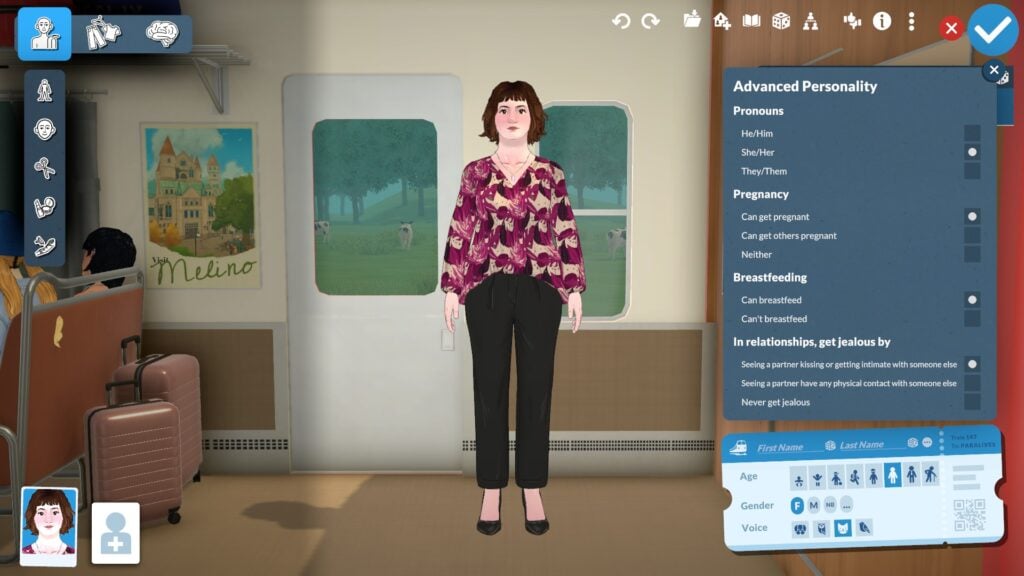
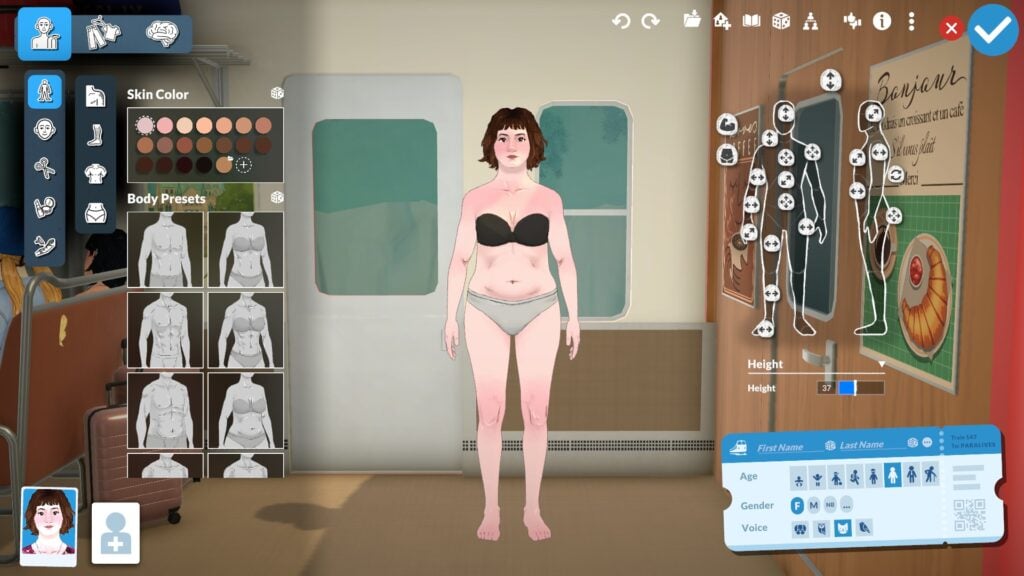
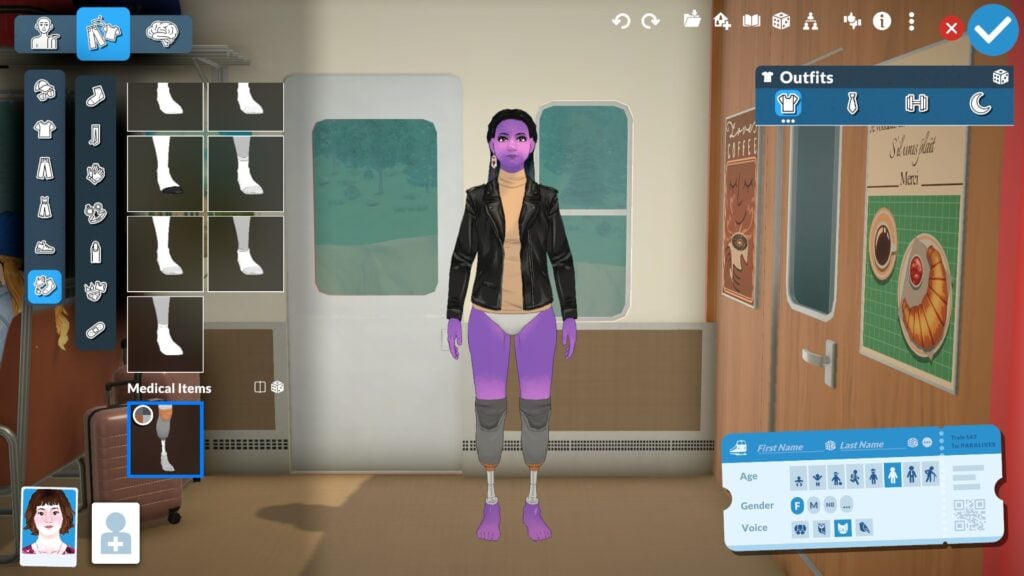
"Robust" is the best word I can use to describe the Paramaker—it's minimal UI hiding powerful creative tools. The game allows for a full range of potential gender fluidity. Not only can a Para identify as nonbinary (abbreviated as NB as seen on the ticket). Within the Advanced Personality settings you can choose if they can become impregnant or impregnant other Pars (or neither), whether or not they can breastfeed, and whether or not they're polyamorous. The latter, or which, being chosen by whether or not they become jealous by seeing their partner kissing, having physical contact, or getting intimate with another Para. Though, currently, the only pronouns available are She/Her, He/Him, and They/Them.
The Para life stages are; Baby, Toddler, Child, Preteen, Teen, Young Adult, Adult, and Elder. All of these life vary in height between each other but maintain the ability to have unique heights based on the slider.
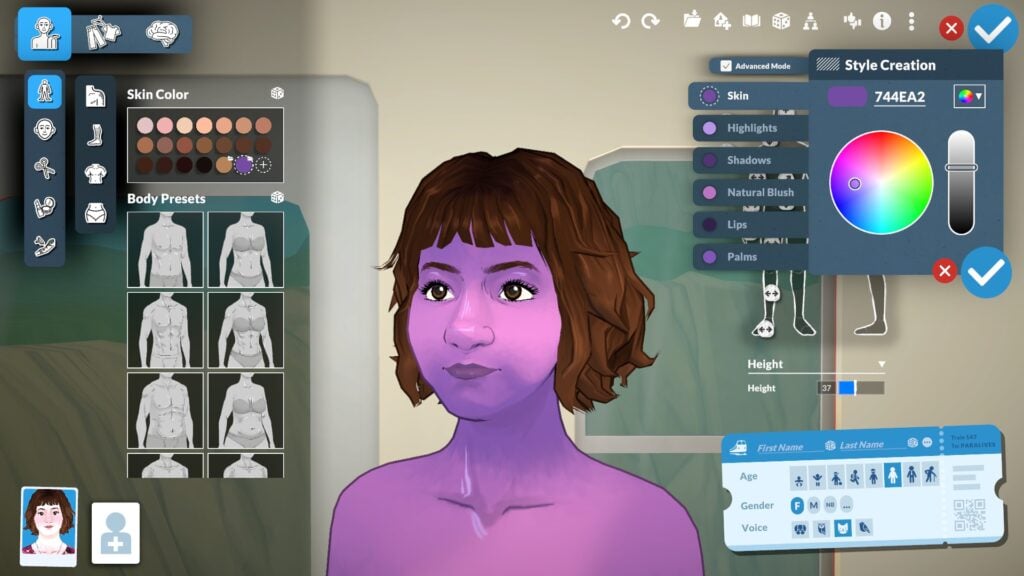
The depth of choice goes on with the ability to use a color wheel to make custom presets for every asset in the Paramaker. From your Para's skintone, to their accessories, and even their clothes, you have access to the colors of the rainbow. These custom swatches are even saved within the Paramaker so your next Para is able to utilize them! Can't wait to see the Very Berry challenge in Paralives.
(Psst! Occult addicts who're eagerly waiting for anything spooky in Paralives! You can also fully customize the color of the whites of your Paras eyes to make them as creepy as you like, even if it's just for pretend!)
Para's are even able to layer certain makeup and skin customization options. Want a Para with freckles but acne scars? You got it. Obsessed with an eyeshadow style but want the opacity of another? Just select them both and give your Para the makeover of your dreams. Paras also have access to medical wearables like hearing aids, but, also, prosthetic limbs. Of which you're able to choose freely if either one or both legs are amputated.
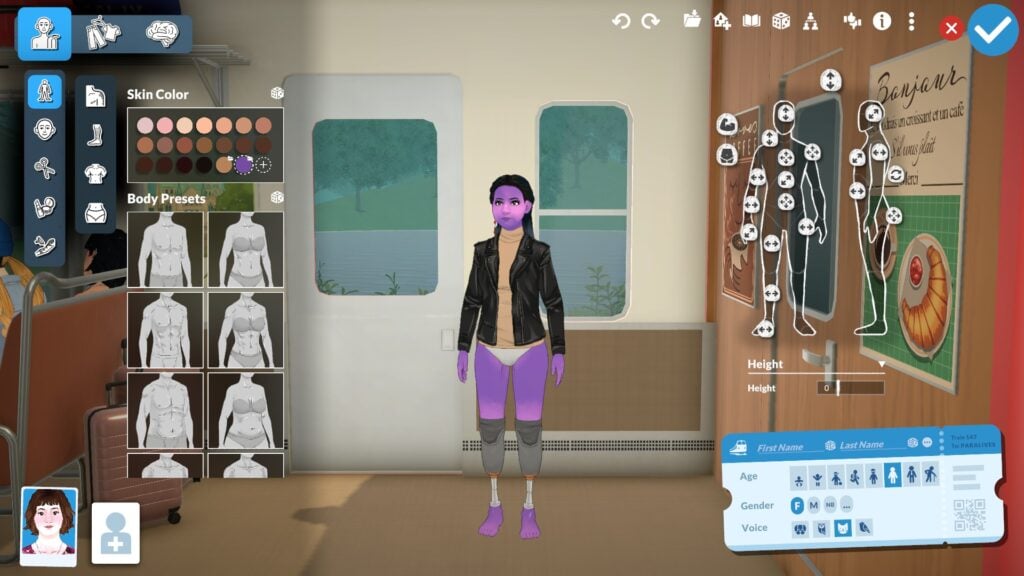
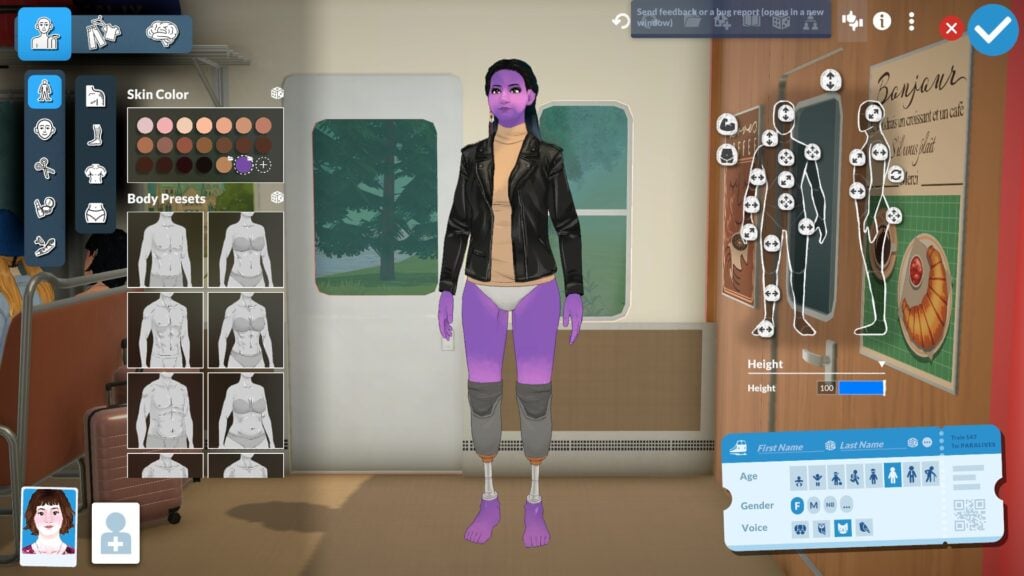
There is also a height slider! Included within the complex suite of sliders available in the Paramaker. Allowing you to shape your Para in however way they seem fit. You're also able to freely add masculine and feminine features to any Para. Such as breasts, flat chests, shallow hips, wide hips, a wide variety of body hair, facial hair, and so much more. Play with life however you like.
The Storytellers
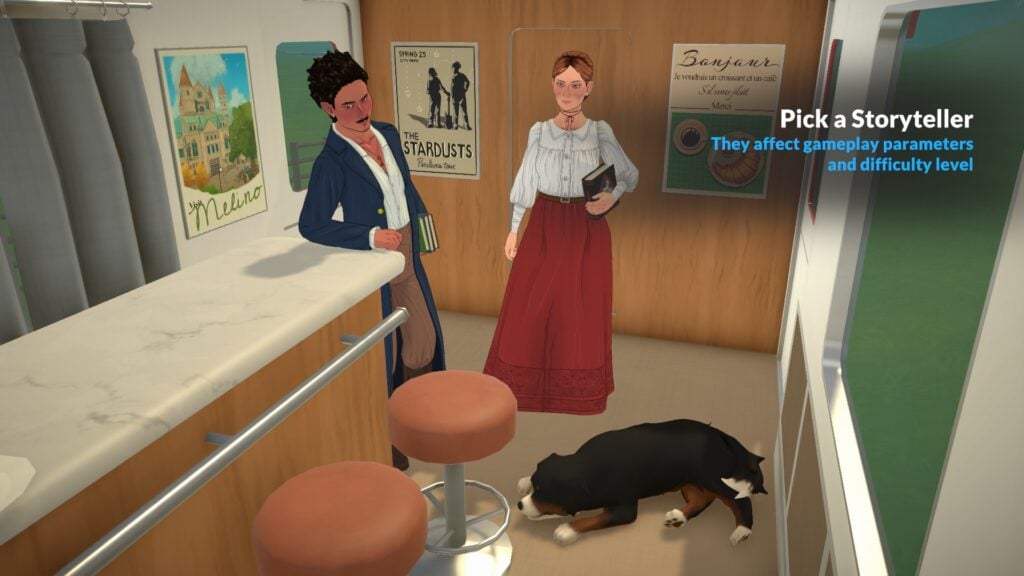
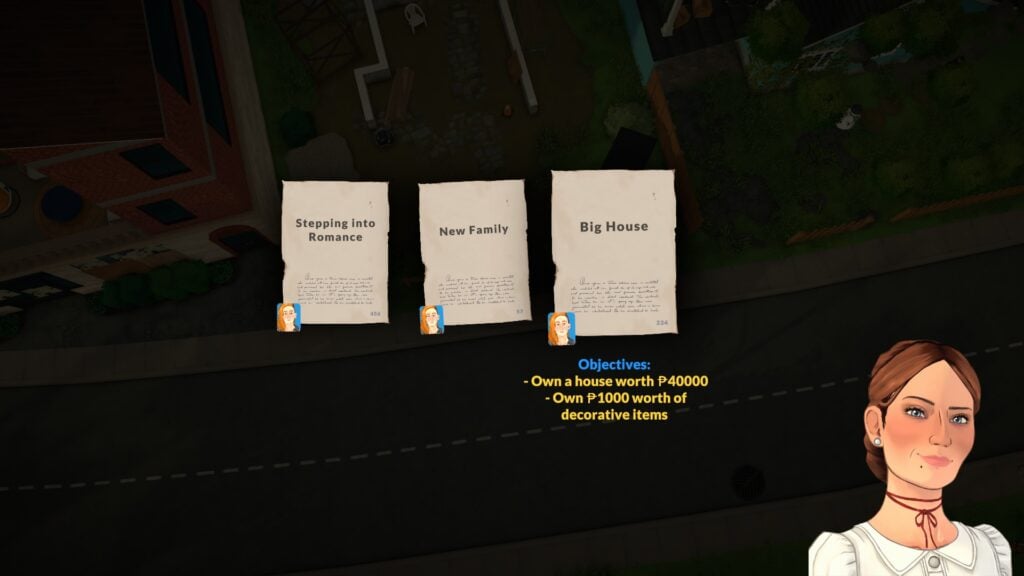
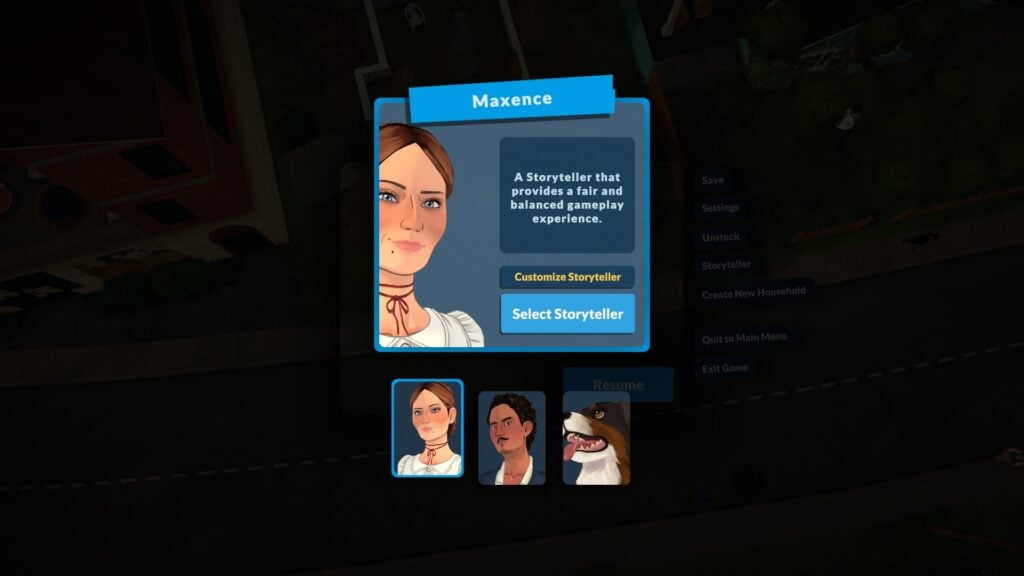
The Storytellers act as mascots for the game settings; Ricardo Castello III, Maxence, and Stella, the pooch, each represent a different difficulty. While they've been listened from most to least difficult they, too, are entirely customizable! So you're able to tailor whatever experience pleases your best in game.
The Storytellers also appear in gameplay when your Para wakes up to start a new day via Chance Cards that give them new Goals for the day. These goals shake up gameplay, and are as little as learning a new skill, to big Life Goals such as increasing a Para's net worth!
The Gameplay
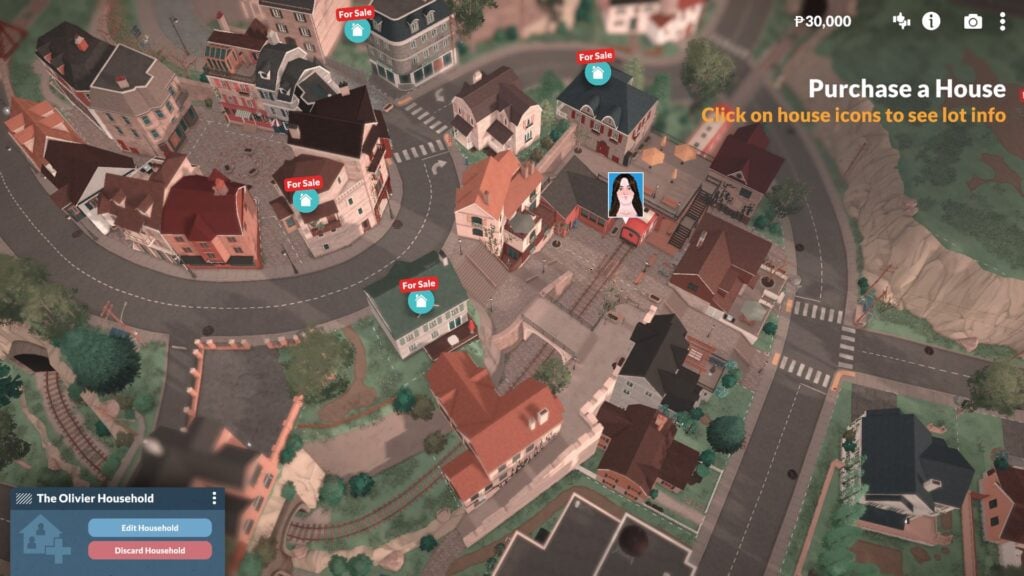
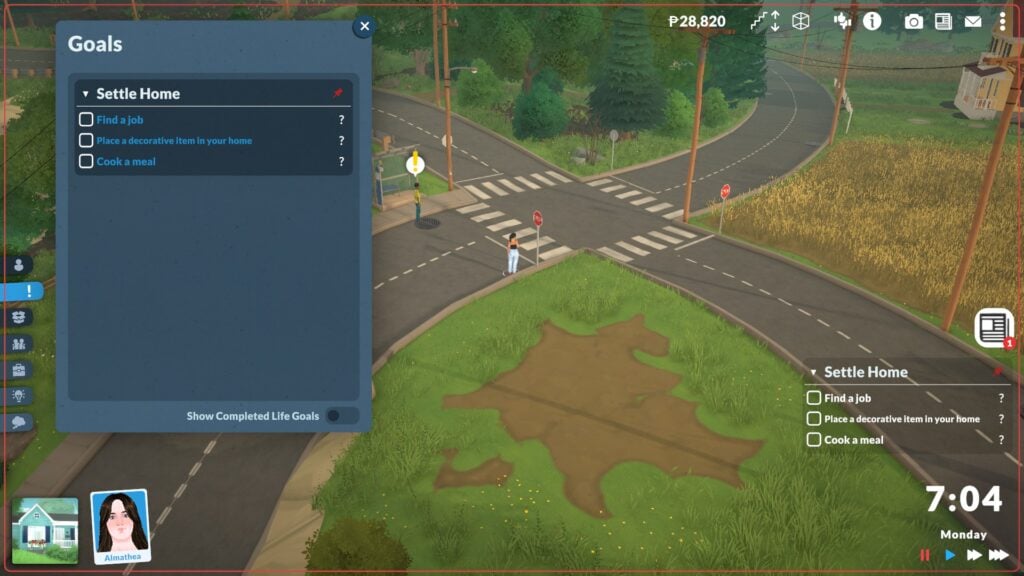
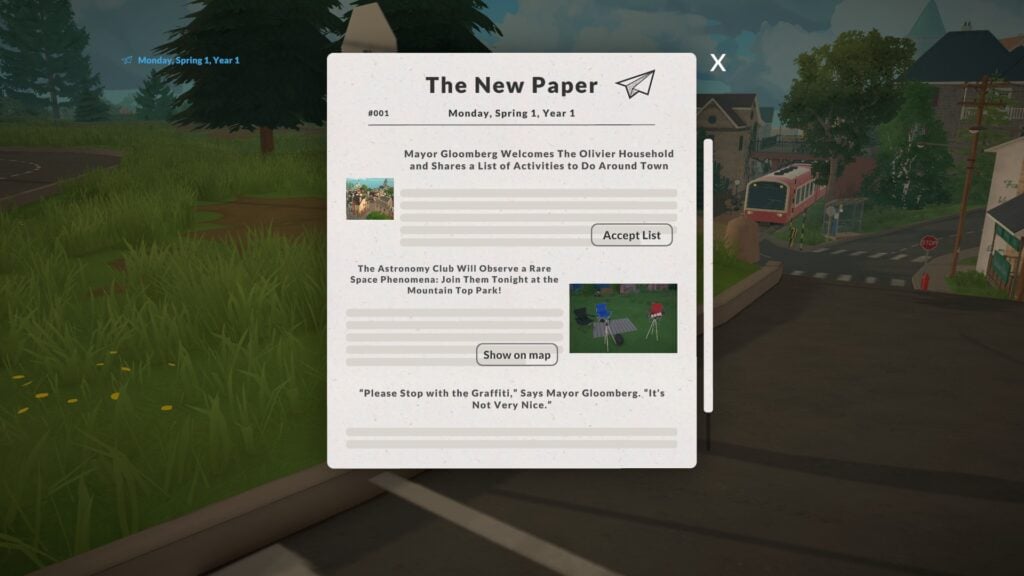
As I stated earlier, Paralives has very good bones and, in a way, bones is quite apt.
As the Paralives Team has stated before—the game is incomplete! It has some bugs, jitteriness, and overall is very much an Early Access title. In my book, that's okay, because I've been having fun despite it all.
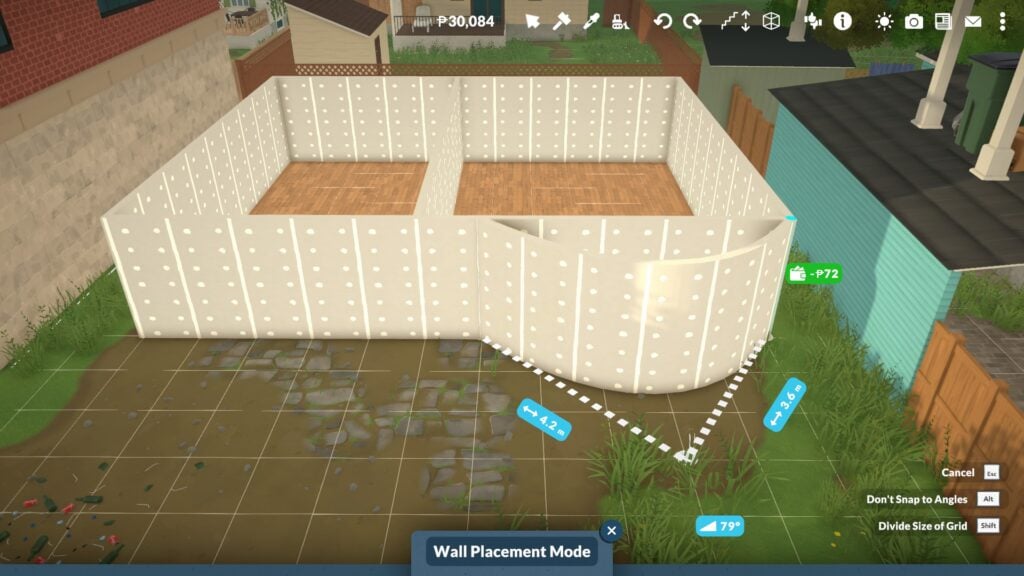
The build mode? I've already used "robust" for the Paramaker, and so I'll simply just say it's extensive* (asterisk, mind the asterisk). In a lot of ways Paralive's build mode rivals that of modern day The Sims 4. Not only are we provided with all of the same amenities as the former. barring, ironically, pools and water-based landscaping as swimming has not been included yet. Despite that we get curved walls, half-walls, free placement of objects without cheats! Though, currently, windows aren't able to be placed on curved walls.
A consequence, however, is that the life simulation aspects sometimes feel somewhat flat. Para's are able to get in relationships, fall in love, and have child, yes, but social experiences aren't quite fleshed out just yet. We're unable to have wedding ceremonies and, instead, can simply opt to elope. Adopting babies is currently...free! You can simply walk to the nearest health center and pick up a new infant whenever you fancy. Which, in a perfect world, is a lovely thought, but most likely isn't intended for the long term. Doubly so since each health clinic is of a different size and scale. So obviously we're in for a variety of health related options for each one instead of just a broken baby vending machine.
Similarly to The Sims 4 (2014) there are some teething issues to be worked out with autonomy. Paras often walk straight through one another to get to where they need to go. Fast-forwarding through sleeping can also be a bit of a hazard since the Storyteller's chance cards can pop up without pausing. Causing your Para to be late to work and potentially face consequences.
Despite this, your Para can still enjoy the sites of Melino and it's many Para. Gathering collectables to donate to the museum, spending many cozy minutes decorating their spaces ju-u-st right, and making the perfect Para are ahead of you. As well as the ability to help shape the game as it develops over it's many free patches as promised by the developers.
A Conclusion (On An Old Game and One Just Beginning)
This article wasn't written with the intention of "riffing" on one game and uplifting another. It was meant to illustrate that while two things can be different there are things inherent to game development that will always be the same.
The Sims 4 is a twelve year old game that has flowed with the times as best that it can. For good, or bad, is entirely up to the individual person. I believe a lot of players are of the perspective that one game will "kill" another, and I don't think that's the case. Game development is a process. Both games have value and I encourage you to go between them at your leisure. Don't drop one because of frustration but, if you need a break, always know that's okay.
Videogames are a journey, and I'm excited to watch where said journeys take both games into the future.
Be sure to let us know in the comment section down below, and always know that The Sims Community will bring you all the latest and greatest updates on The Sims 4, Paralives, and other great Life Simulation games! Make sure to check out our other Paralives articles in anticipation of it's upcoming release!
19 Comments
Sims 4 release was basically early access anyway
Reply to Kacey
I mean strictly speaking even once Paralives comes out of early access. It will still follow the same pattern of The Sims 4 where it continuously recieves major patches and free content and quality of life fixes and updates. Which are also still going to break mods like it does in The Sims 4.
12 years diference
Not so fair, would say somebody. I know EA is a big company then could be the comparision
Next article, compare with Inzoi at 2025
Reply to Leandro
The 12 years dont explain much when you consider Sims 2 or 3 at launch. Sims 4’s shortcomings were not due to technical limitations.
Reply to Leandro
the fact that paralives looks like it has so much more life, and customization, and things I wanted for the sims for years. With it’s first game, made by 15 people. I have such high hopes and I think it’s going to blow the sims out the water. EA has actively been sabotagimg themselves for years now
Small correction on your Early Access disclaimer: BG3 is not a AAA game. Larian is also an indie studio. They’re probably closer to AA now, though.
Reply to Nora
A small correction on your statement. While Larian is an indie studio, BG3 is one of those rare games that are still an AAA game despite being made by an indie studio.
Para people look too cartoon-like. Not that sims cross the uncanny valley, but they do have a less illustrated look
Reply to Susan
For me, the illustrated style is the appeal. It will be like playing a storybook.
Reply to Susan
For me, the Sims 4 people are jarring without mods; they look too 3d cartoon-esque in a way that doesn’t look pretty. It feels so weird, esp when compared to Inzoi. We also can’t give them certain facial features without mods which is a bummer
Reply to Susan
That’s a big appeal for me. I love how it looks and it has such amazing customization, theirs so much more life to it than the sims in my opinion. And mind you I’ve played the Sims since the original when I was a little girl.
Great article! I really enjoyed reading it. I feel that paralives will be a long standing success, slowly getting more and more features until 1.0 which won’t be the end as then the free DLCs will keep giving us more content.
BTW, there is a grammar mistake where it says “we we’re” instead of “we were”
Please, don’t do make these mistakes: “its“.
Reply to Noname
depends if is en-us or en-uk
Reply to Leandro
No, it doesn’t; it’s is short for ‘it is’, without exception.
Reply to Noname
“don’t do make”?
If you’re going to be pedantic, don’t leave grammar mistakes in your response either.
Please for the love of God decrease the pop up ads. I’ve lately had a stroke trying to read anything on this site every time some random thing pops up I have to x out.
The Sims 4 is better. It’s more upgrade than the one that came out with i love the sims 4
I like the furniture in the world of Paralives, but I don’t like the people in Paralives. I play Sims for the characters and I want something beautiful, while here they are like from a picture book. I don’t want to offend the creators of the game, but they focused more on the world than on the people in that world. When I don’t like the characters, I don’t want to play it. It can be a very good game, but it’s not my game.
Welcome to Sims Community!
Our community is about connecting people through open and thoughtful conversations. We want our readers to share their views and exchange ideas in a safe space.
In order to do so, we've created a simple set of rules that will improve your experience. Simply put, keep it civil.
Your post will/might be rejected if it contains:
User accounts will/might be blocked if we notice:
So, how can you be a power user?
Thanks for reading our community guidelines. Please note that we're aware of certain issues with Sign In / Log In and Create Account / Email Confirmation issues. We're working behind-the-scenes on a new Account Creation process. Thank you for your patience and remember - freedom of speech is not freedom of reach