


Editorial note: This article is intended as an analytical comparison of virtual currencies in gaming and their potential implications for The Sims. It does not represent official information beyond what has been publicly shared by EA.
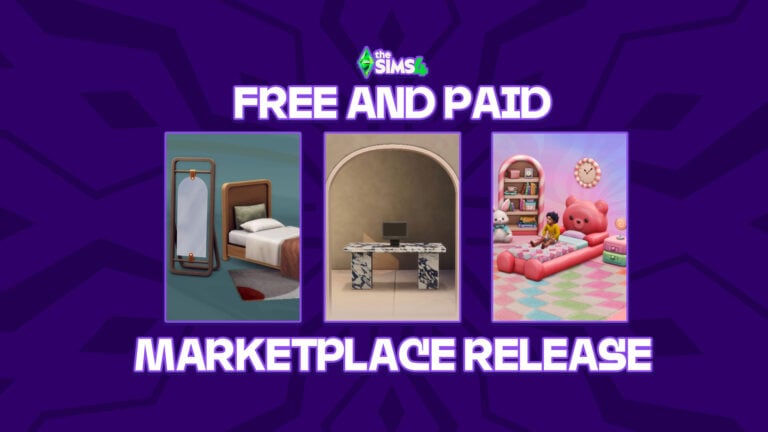
On March 3rd, EA and The Sims Team revealed one of the most unexpected additions to The Sims 4’s ecosystem: a brand-new virtual currency called Moola. Designed specifically for the game’s upcoming Marketplace, Moola will allow players to purchase Maker Packs created by approved creators, as well as certain official content, such as Kits, directly from an in-game store.
The announcement quickly sparked curiosity and debate within the community. Virtual currencies are nothing new in modern gaming, but their introduction in a long-running life simulation like The Sims 4 opens a deeper conversation about how players experience spending inside games. Beyond simple transactions, these systems reshape how digital economies function, how players interact with content, and even how emotional factors, such as collecting, status, or completionism, can influence purchasing behavior.
New Virtual Currency Moola Brings More Than We Thought to the Debate
What Is Moola and How Does It Work in The Sims 4 Marketplace
At its core, Moola is a premium virtual currency created specifically for The Sims 4. Unlike Simoleons, Moola exists outside the gameplay economy and is purchased with real-world money. Once acquired, it can be used exclusively within The Sims 4 Marketplace to buy Maker Packs created by approved creators and smaller official releases such as Kits.
Moola cannot be earned through gameplay, transferred to other players, or refunded once purchased. In practical terms, it functions as a dedicated digital currency for transactions within the Marketplace, acting as an intermediary between players and the growing catalog of creator-made and official content available through the platform.
A New Currency for Marketplace Content
The main purpose of Moola is to enable purchases within the in-game Marketplace, a storefront integrated directly into The Sims 4. Through this system, players will be able to buy Maker Packs, which may include Create-a-Sim assets and Build/Buy objects at the moment.
Rather than purchasing these items with real-world currency through external storefronts, players will first acquire Moola and then spend it inside the Marketplace. This approach turns the Marketplace into an internal economy where Moola is used to access a wide range of smaller content additions created by both well-known CC creators and new ones who have applied to join the program.
Inside the Marketplace, players will find two main types of content. The first are Maker Packs, collections created by approved creators. The second are Kits developed by The Sims Team, which will only be made available through the Marketplace alongside creator content.
A Fully Integrated Marketplace Experience
The Marketplace is designed to function as a seamless extension of the game. Players will be able to browse curated collections, discover new creators, and install content instantly without managing external downloads or worrying about compatibility issues.
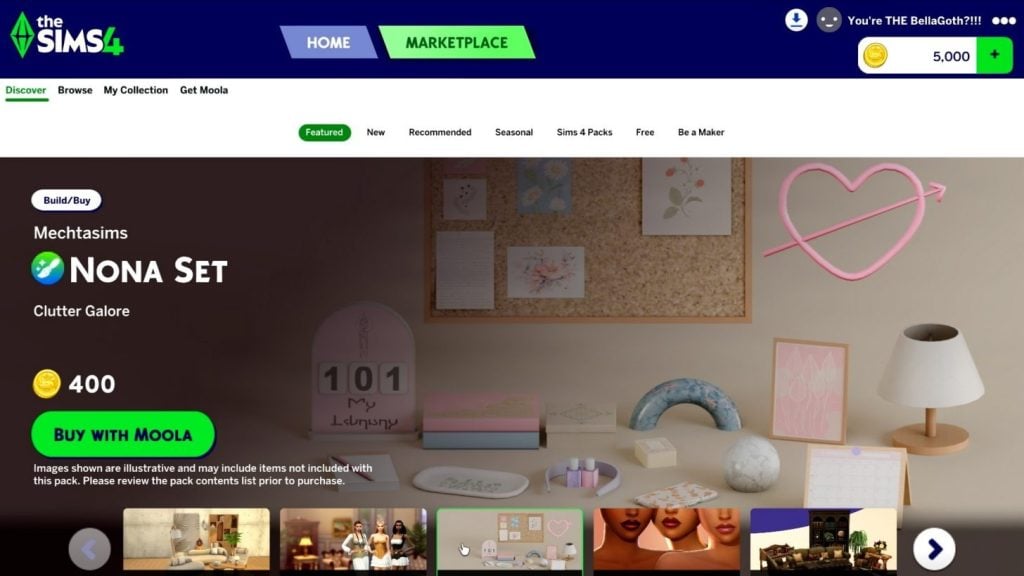
According to The Sims team, the system is intended to create a more structured way for creators to distribute their work while giving players easier access to new content directly from within the game itself. At the same time, EA has emphasized that the Marketplace does not replace free content or the broader modding ecosystem, meaning creators can still distribute free or early-access content on other platforms under the existing mod policy.
Why Introduce a Virtual Currency: EA’s Official Explanation for Moola
In its official FAQ, The Sims Team explains that Moola is meant to provide a simple and consistent way to purchase Marketplace content directly in-game, particularly as the catalog of Maker Packs grows and updates more frequently. According to EA, using a dedicated currency allows the Marketplace to function smoothly across different platforms and regions while supporting a large and constantly evolving collection of creator-made content.
The studio also emphasizes that Moola is intended to support the creator-driven nature of the Marketplace. By using a structured internal currency, the platform can handle payments, pricing, and revenue distribution in a more standardized way, ensuring that creators receive reliable compensation for their work (a 30% of the total) while players can access new content quickly within the game.
How Moola Revives an Old Monetization Model: The Era of SimPoints
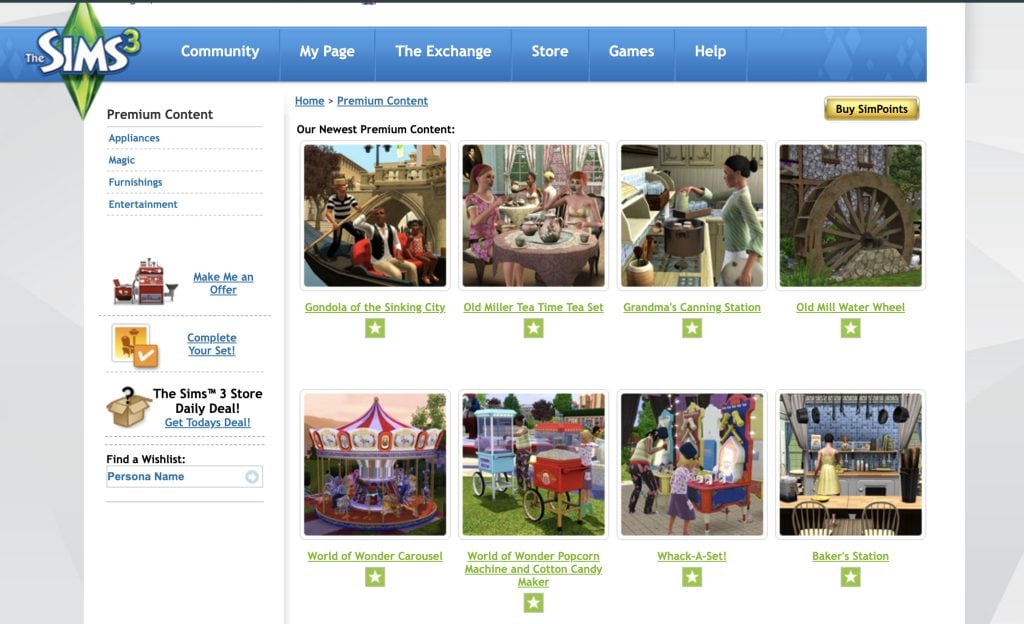
For long-time players, the introduction of Moola may feel strangely familiar. Virtual currencies are not entirely new to The Sims franchise, and in many ways, the Marketplace echoes an earlier monetization model introduced during the later years of The Sims 2 and expanded in The Sims 3.
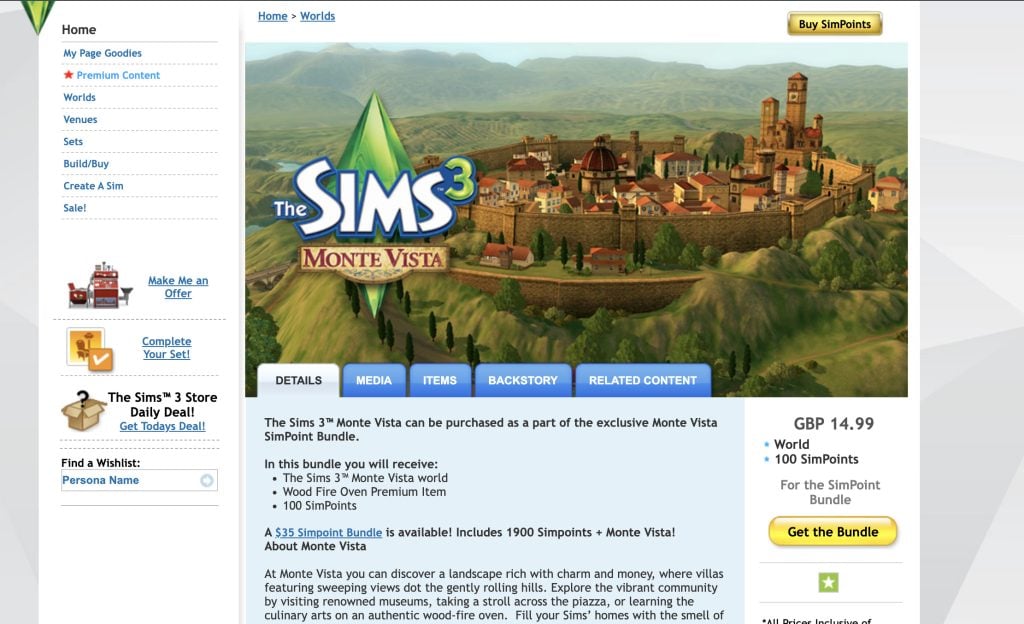
At the time, EA operated an official online store where players could purchase additional content using SimPoints, a virtual currency bought with real money. These points were used to acquire individual items, themed furniture sets, clothing, hairstyles, premium gameplay objects, and even entire worlds through The Sims 3 Store.
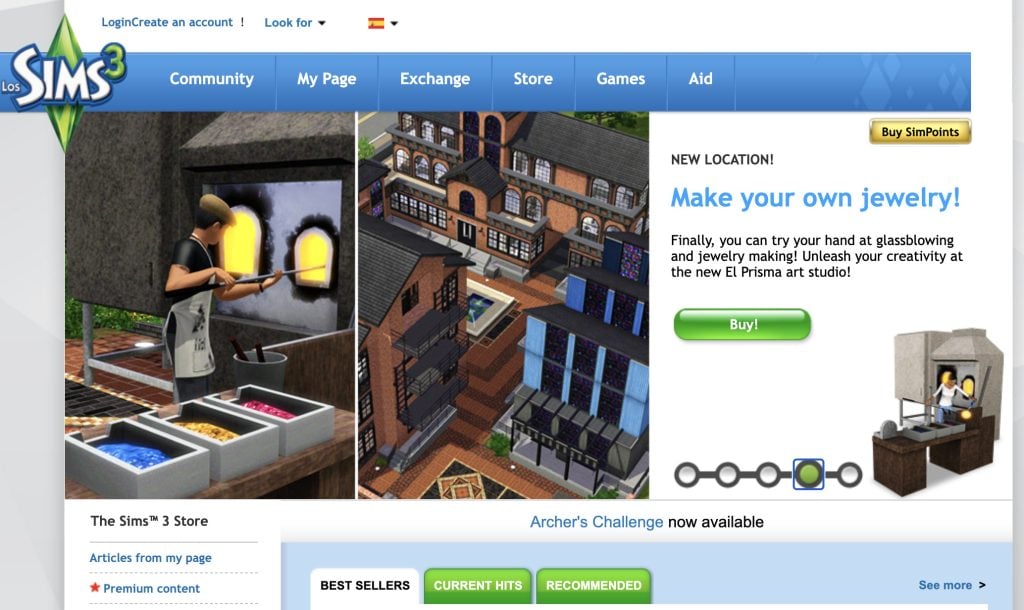
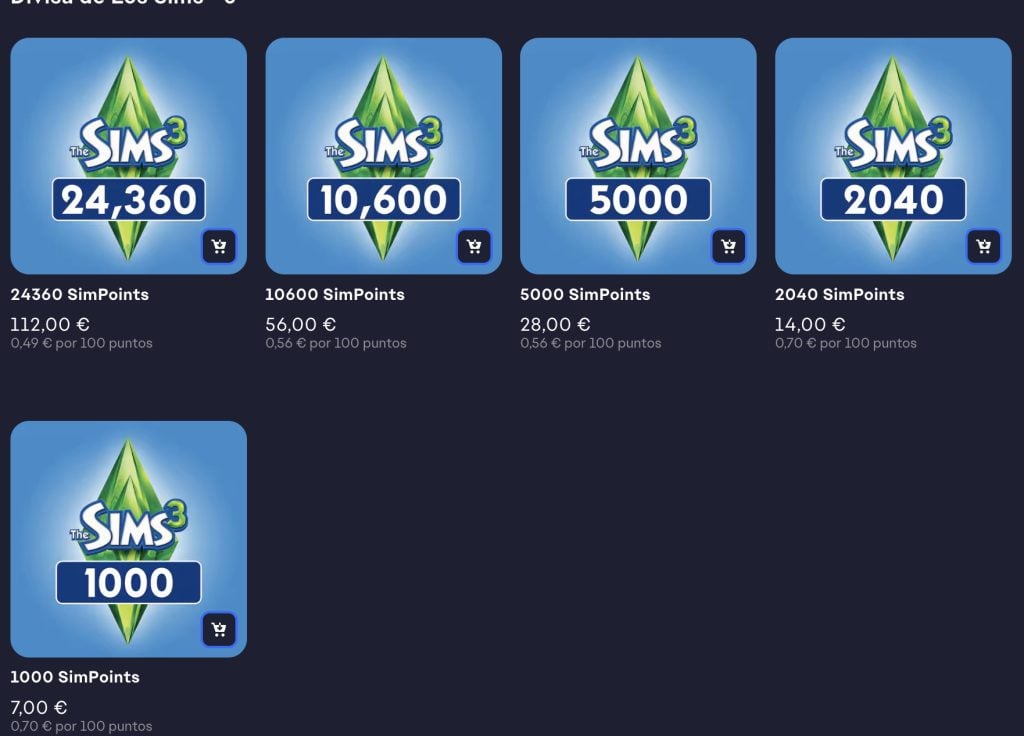
SimPoints were sometimes included as bonuses with the purchase of certain expansion packs or special editions, encouraging players to explore the online store alongside traditional DLC releases. In practice, this created a parallel economy: while expansion packs delivered large gameplay systems, the store provided a steady stream of smaller pieces of content that could be purchased individually.
Virtual Currencies Across the Gaming Industry
Virtual currencies are now a common feature in modern video games, but they are not all designed with the same purpose. Different games use these systems to support very different types of digital economies.
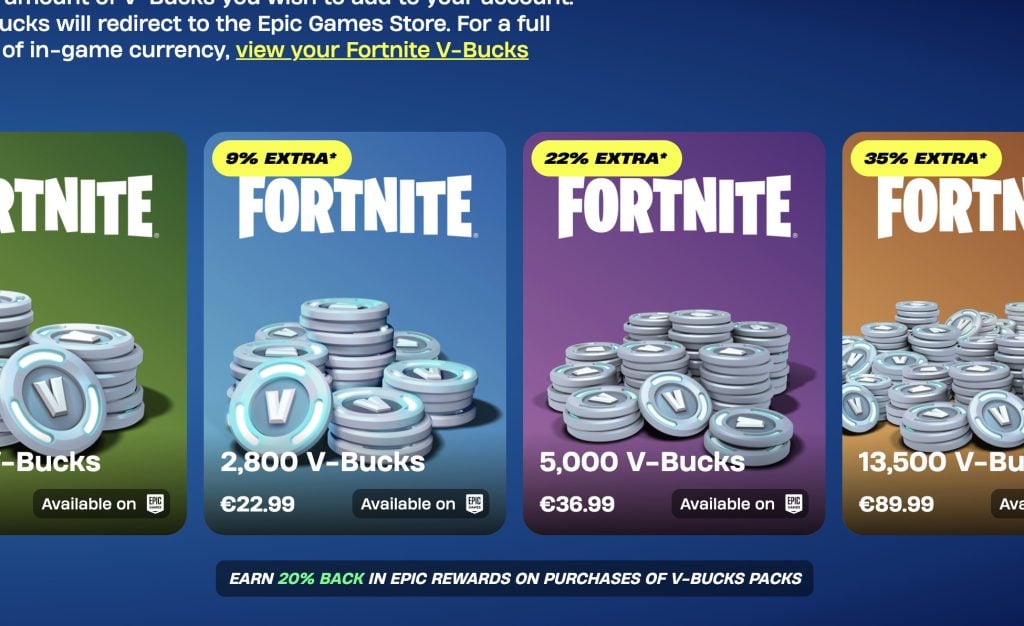
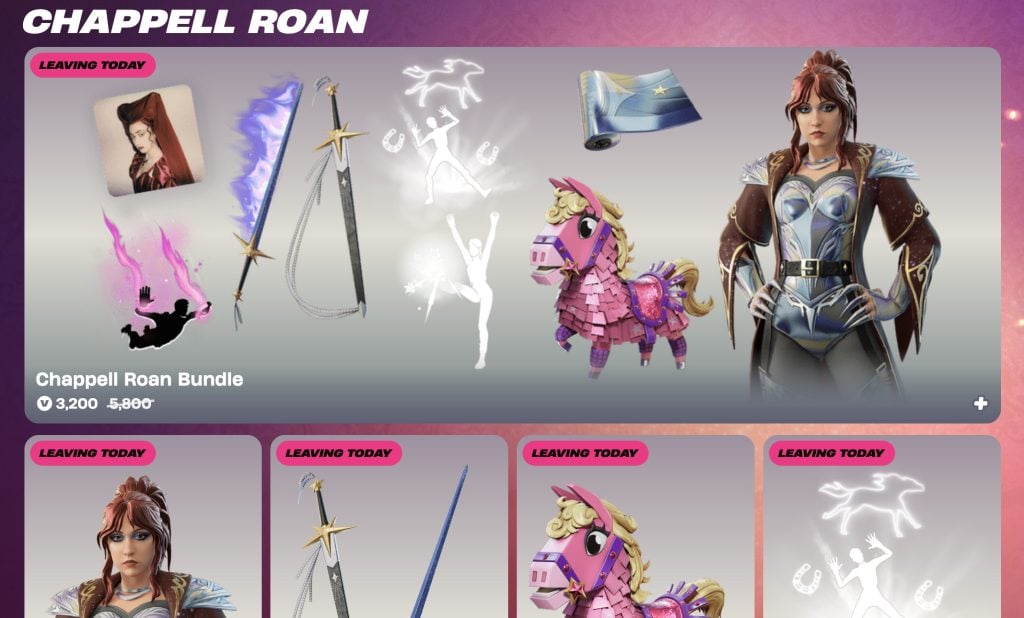
In Fortnite, for example, the virtual currency V-Bucks is primarily used to purchase cosmetic items such as skins, emotes, gliders, and other visual customization options. These purchases generally do not affect gameplay itself. While Epic has recently begun experimenting with new ways for community creators to monetize their experiences, the core use of V-Bucks remains focused on cosmetics rather than gameplay advantages.
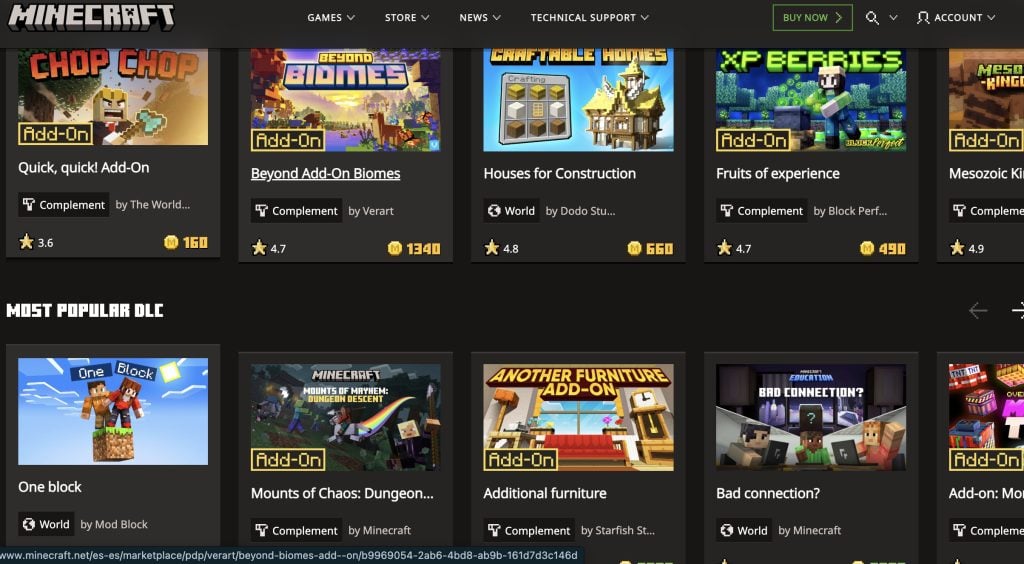
Other systems function much closer to what The Sims 4 Marketplace appears to be building. In Minecraft Bedrock Edition, the Minecoins currency powers the official Marketplace, where players can purchase maps, skins, texture packs, and other content created by approved creators. These items must be distributed through the official platform, meaning creators cannot sell the same content externally or offer it independently for free within that ecosystem.
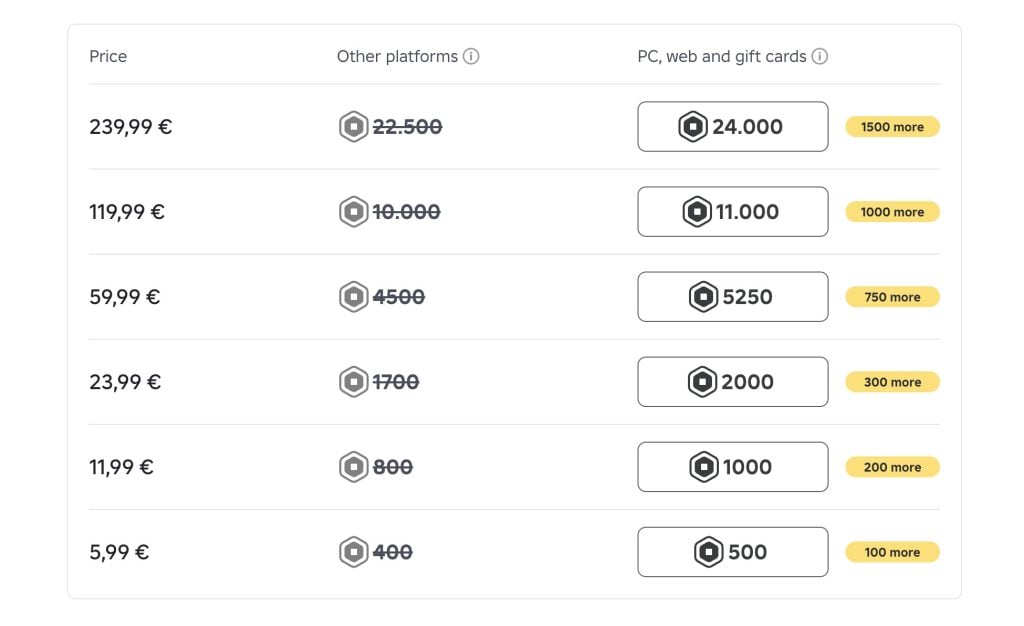
The most expansive example is Roblox, whose currency, Robux supports an entire creator-driven economy. Robux can be used to buy cosmetic items, animations, avatar clothing, and access to user-created experiences. In many cases, players can also spend Robux on in-game advantages or features inside individual experiences. This flexibility has helped Roblox develop a massive creator marketplace, but it has also drawn criticism for allowing monetization across almost every aspect of the platform.
Within this spectrum, Moola appears to sit somewhere between systems like Minecoins and Robux: a currency designed to power a centralized marketplace where creators can distribute their work through an official channel inside the game.
The Emotional Economics of Virtual Currencies: The Debate
Economists and behavioral researchers have long noted that when real money is converted into a virtual currency, the direct connection between the purchase and its real-world cost becomes less visible. This effect, sometimes described as a form of ‘decoupling‘, can make digital purchases feel less like spending money and more like participating in the game’s own internal economy.
Because of this, many virtual currency systems are designed around smaller but more frequent transactions. When spending happens inside the game interface itself, the process becomes quick and frictionless, encouraging players to make incremental purchases over time rather than a single large one.
Researchers studying online game economies have also pointed to another psychological dimension behind digital purchases: status and self-expression within player communities. Cosmetic items, exclusive content, or limited digital goods can become a way for players to signal dedication, creativity, or individuality inside a shared space. In some cases, studies suggest that owning certain digital items may even create a subtle sense of prestige or distinction compared to other players.
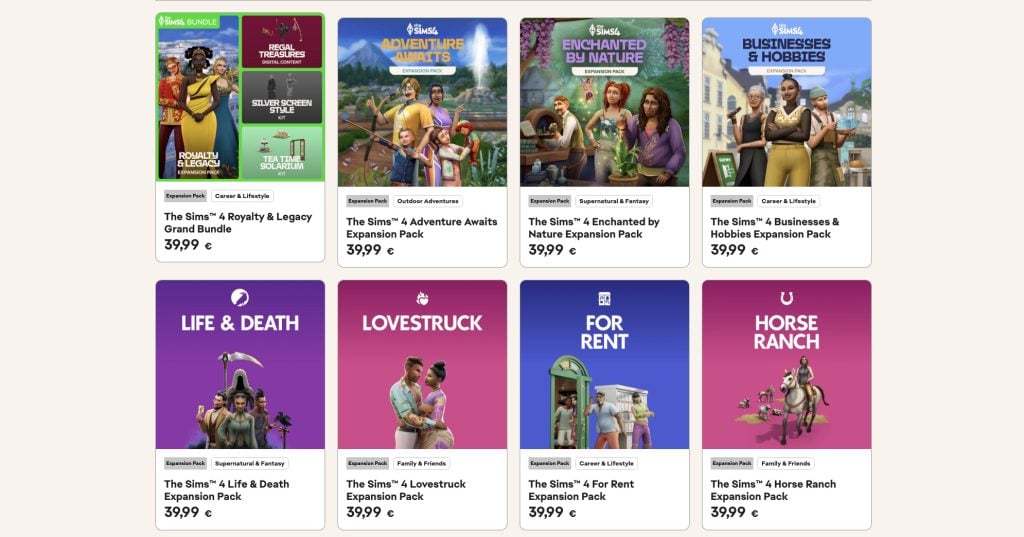
In a community like The Sims, this dynamic intersects with another long-standing player habit: collecting content. Many players have historically approached each entry in the series as something to complete, building digital libraries of expansion packs, content packs, and stuff packs (also kits) over time. In The Sims 4, however, the sheer number of add-ons released over the past decade has made that goal more complex. Continuous gameplay updates, regular discounts, and seasonal sales have gradually encouraged players to keep expanding their collections piece by piece.
The introduction of the Marketplace adds another layer to that ecosystem. Alongside official content, players may now encounter a growing catalog of creator-made packs available through Moola. For a community already accustomed to expanding their libraries over time, the shift toward a marketplace-driven model raises new questions on how the economics of collecting and completing the game might evolve.
A Late-Life Strategy for The Sims 4
The introduction of Moola and the Marketplace arrives at a very particular moment in the lifecycle of The Sims 4. Released in 2014, the game has already surpassed a decade of continuous updates and downloadable content—an unusually long lifespan even for the franchise.
Within this context, the Marketplace may represent a shift in how the game continues to grow. Rather than relying primarily on new expansion packs, the platform could move toward a model centered on smaller, more frequent releases created both by The Sims Team and approved creators.
This approach allows The Sims 4 to remain active while the next generation of The Sims continues development. By transforming the game into a marketplace-driven ecosystem, EA can maintain a steady flow of new content and keep the community engaged without relying exclusively on large-scale DLC releases.
The Possible Future of Content in The Sims
The introduction of the Marketplace also reflects a broader shift in how EA manages the ecosystem around The Sims. For years, custom content has thrived across independent websites, Patreon pages, and modding communities outside the game itself. By bringing creator-made content into an official storefront, EA is not only opening a new revenue stream for creators, it is also placing part of that long-standing creative economy under its own platform, curation, and rules.
From a business perspective, this move mirrors a wider trend across the industry: large publishers are increasingly transforming their games into platforms where both official content and community creations circulate within controlled marketplaces. In previous discussions about the future of the franchise, Lyndsay Pearson, Vice President of Franchise Creative and Executive Producer for The Sims, suggested that future Sims experiences could explore models where gameplay systems arrive in smaller pieces rather than in large expansion bundles.
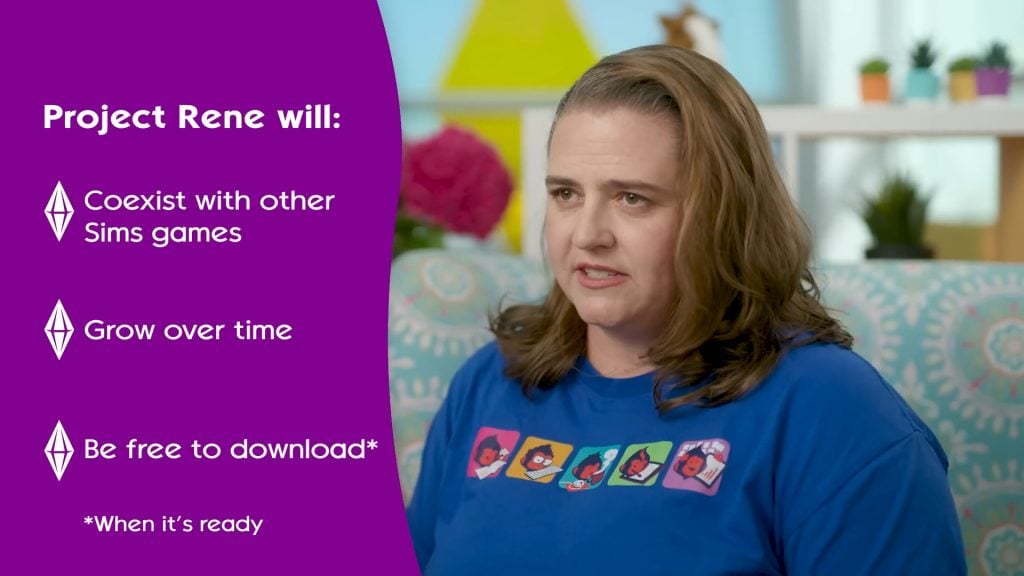
At the same time, EA has been clear that the core identity of the series is not changing. As the studio recently emphasized, The Sims has always been built on a deep single-player life simulation, and that foundation will remain central to future projects. Alongside ongoing updates for The Sims 4, EA is also developing new experiences such as Project René, described as a social, collaborative mobile-first life sim designed to coexist with the current game rather than replace it.
The reference to a mobile-first experience is also notable. Mobile games have long relied on microtransactions and highly granular monetization models, where features, cosmetics, or gameplay interactions are distributed in smaller purchasable pieces. While EA continues to emphasize that the core identity of The Sims will remain intact, the idea of fragmenting gameplay systems into smaller purchasable elements raises an interesting question: how far can that model evolve without reshaping the traditional structure of the series?
Whether Moola ultimately becomes a long-term pillar of The Sims 4 or simply an early step toward new economic models for the franchise remains to be seen. What seems increasingly clear, however, is that the future of The Sims may involve multiple parallel experiences — from traditional single-player life simulation to creator-driven marketplaces and social platforms.
With the introduction of Moola and the new Marketplace, where do you think the future of The Sims is heading? Let us know your thoughts!




They are launching this store just as the latest pack; The Sims 4: Royalty & Legacy has been released, and it will likely be the last. This is no coincidence: it allows EA, without releasing anything other than the kits, to always have content to offer content that will be overpriced and monetized while waiting for Project X to be released.
I remember the days of The Sims 3 Store. The only things I bought there were worlds, partly because there were fewer game packs, which meant fewer worlds. And the Sims 3 worlds in the Store were beautiful, like Sunlit Tides, Monte Vista, Lunar Lakes, Dragon Valley, and Roaring Heights. They added new locations and features, such as casinos, a boardwalk, a car to repair, dragons, etc. Everything was created by EA; there were no acquisitions or independent creators. All of this meant that at the time, I didn’t mind buying these worlds at all. But I assure you that times have changed. Today, I no longer buy anything on the Marketplace. Releasing them at the end of The Sims 4, ripping off creators with very low pay and irrelevant content is unacceptable. As for the price, no, I’m eagerly awaiting the end of The Sims 4 and the end of this agony, once and for all.
i’m so desperate for a new sims game i kinda want to see that project x but i just KNOW it’s gonna be a badly monetized mess….
I’m really sorry for EA base workers. This is the last step for EA owners to the massive lay-offs that will follow Kushner/T*r*ump sell to Saudi Arabia, trying to milk money from “fan creators” when there will be no team to develop new official stuff and most of the big content creators have refused to be linked to those kind of owners. I’m sorry you get the bad side of the stick, trying to keep up with the greedy desition makers, I’m sure you all would have done better on your own. I’m sorry for those who will fall for this trap. Remember you can support those “independent creators” via patreon or so, you don’t need to give a very not deserved share to the company owners destroying the game. My best to game developers and base workers in your future endevours.
Welp. I will purchase NOTHING MORE from this franchise.