

Nintendo developers share their part in making Tomodachi Life: Living The Dream a reality!
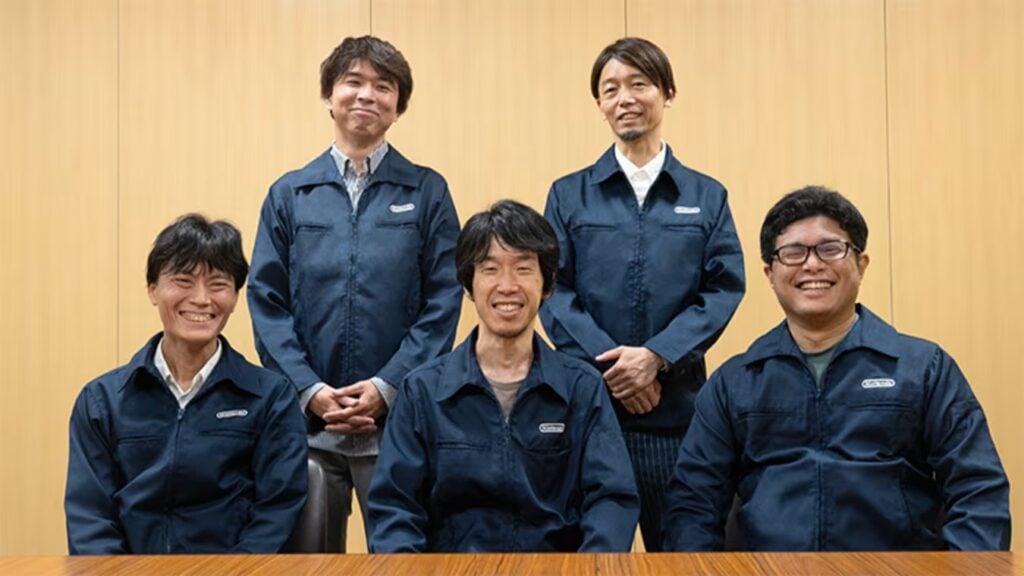
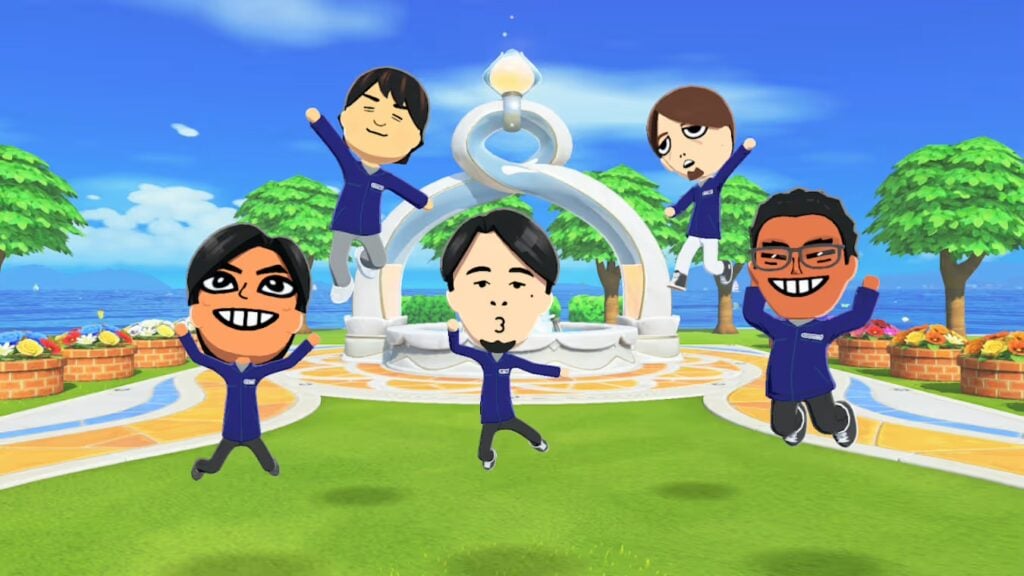
The latest official "Ask the Developer" series from Nintendo covers an exclusive interview with 5 developers who made Tomodachi Life: Living The Dream happen. It's an interesting perspective on how different gaming companies other than The Sims are tackling different-styled life simulations. With the latest Living The Dream entry hitting the Nintendo Switch shelves this week!
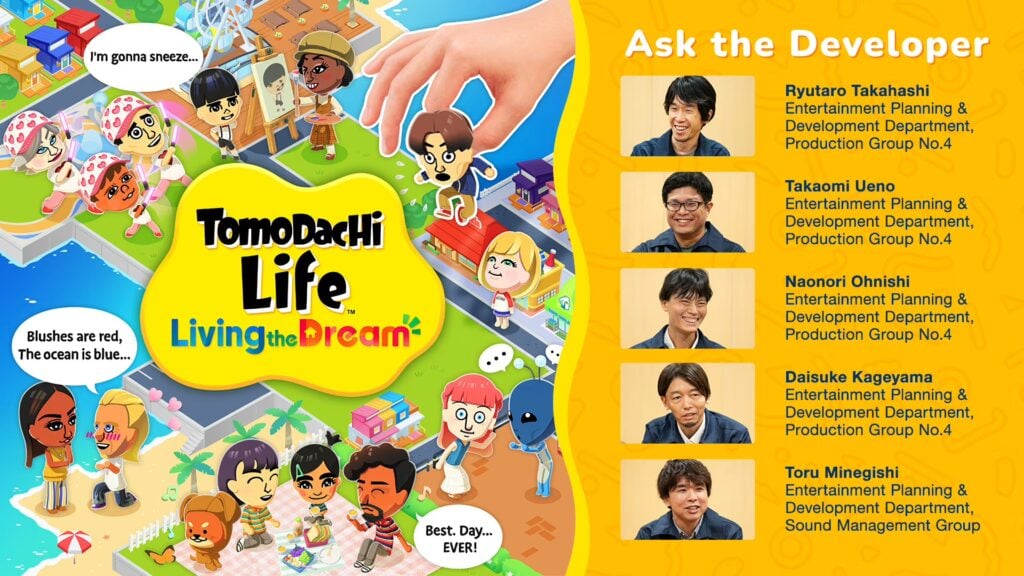
Without further ado, here's the full 3-part coverage on the Ask The Developer Vol.21: Tomodachi Life Living The Dream edition.
Table of Contents

Tomodachi Life: Living The Dream Official Developer Blog
Part 1: Living beings with a will and personality
First, could you please briefly introduce yourselves?
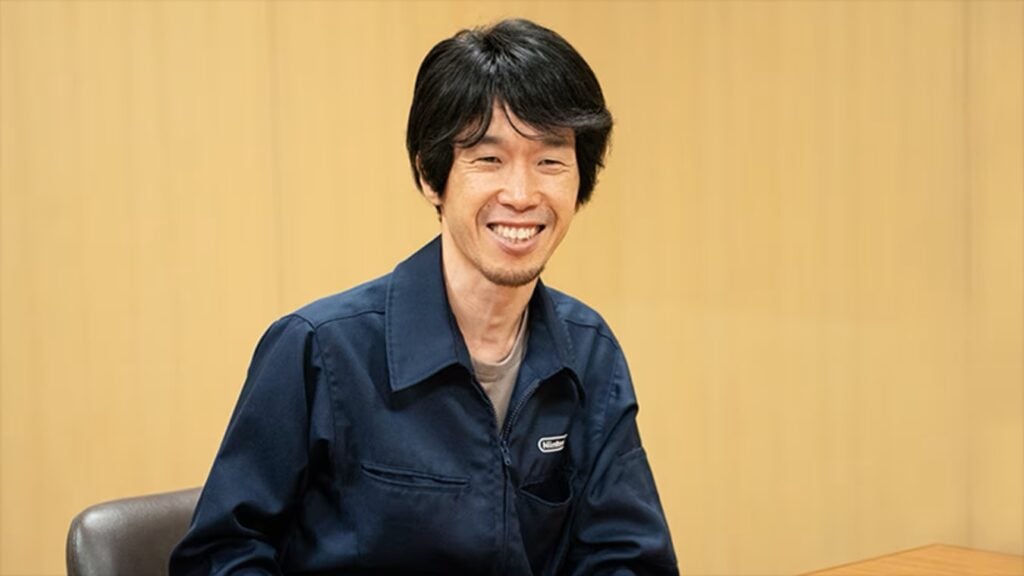
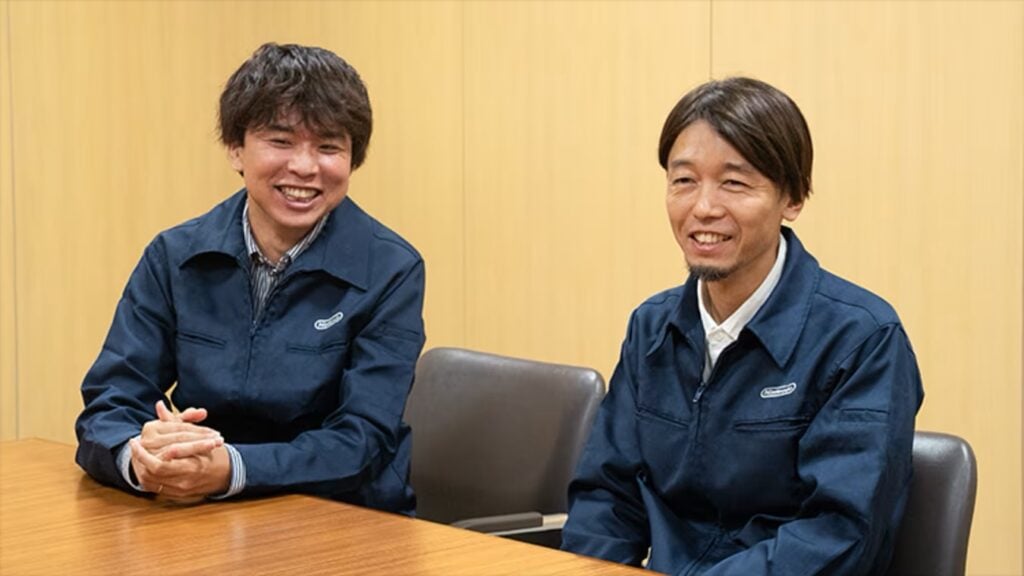
Ryutaro Takahashi (referred to as Takahashi from this point on): Hello, I’m Ryutaro Takahashi. I’ve directed the Tomodachi Life series since its first installment, and continued to serve as the director for Tomodachi Life: Living the Dream.
Takaomi Ueno (referred to as Ueno from this point on): Hi, I’m Takaomi Ueno, one of the programming directors. I was previously involved in the development of Tomodachi Life (1) for Nintendo 3DS as the programming lead, and Miitopia (2) as the programming director.
(1) A Nintendo 3DS™ game released in April 2013 in Japan and June 2014 in North America and Europe. Players create original characters called Mii characters, which resemble themselves, their family, or other people close to them, place them on an island, and watch over them as they go about their lives.
(2) A Nintendo 3DS game released in December 2016 in Japan and July 2017 in North America and Europe. Players create a cast of their favorite Mii characters and adventure in a world filled with their acquaintances. A Nintendo Switch version was released in May 2021.
Naonori Ohnishi (referred to as Ohnishi from this point on): Hello, I’m Naonori Ohnishi. As another programming director, I collaborated with Ueno-san, while also serving as a member of the planning team. Before that, I was the programming director for the smart device app Miitomo (3), but this is my first time participating in the development of the Tomodachi Life series.
(3) A smart device application released in March 2016. Create a Mii character that looks like you and communicate with your friends. The service ended in May 2018.
Daisuke Kageyama (referred to as Kageyama from this point on): Hi, I’m Daisuke Kageyama, the art director. This is my third project as an art director, following Wii Sports Resort (4) and nintendogs + cats (5).
(4) Released in July 2009 on Wii™. Set on the tropical resort, Wuhu Island, the game offers 12 activities such as Swordplay and Air Sports.
(5) A Nintendo 3DS game released in February 2011 in Japan and March 2011 in North America and Europe. A simulation game in which you enjoy everyday life with puppies and kittens, playing with toys, going for walks, and training them.
Toru Minegishi (referred to as Minegishi from this point on): Hello, I’m Toru Minegishi. As the sound director for Tomodachi Life: Living the Dream, I organized the development of background music, sound effects, and Mii character voices, while also composing much of the background music myself. I’ve been involved in the sound development for series such as The Legend of Zelda and Splatoon, but this is my first time working on the Tomodachi Life series.
Thank you very much. Let's kick things off with a brief introduction to the game from Takahashi-san.
Takahashi:Tomodachi Life is a series in which you and those around you, such as friends, family, or people you admire, live inside the game as Mii characters, as you take care of them and watch over their island life. While keeping faithful to the series' style, we've rebuilt Tomodachi Life: Living the Dream from the ground up and developed it as an all-new, reborn Tomodachi Life.
So, what sparked development of this all-new Tomodachi Life game?
Takahashi: I believe development started around 2017, after things had settled down on Miitomo. The producer, Sakamoto-san (6), and I both have a special attachment to Tomodachi Life and have been playing the previous game on Nintendo 3DS for many years. But we'd already squeezed all we could out of that game, and Sakamoto-san said to me sadly, “There's so much that I want my Mii characters to experience, but there’s nothing more that I can do for them.” (Laughs) So, we talked about our desire to create a new Tomodachi Life game.
(6) Yoshio Sakamoto. Producer of the Tomodachi Life series, including Tomodachi Life: Living the Dream. Also involved in the development of series such as Famicom Detective Club™ and Metroid™. Previously appeared in Ask the Developer Vol. 12, Emio – The Smiling Man: Famicom Detective Club.
You sound just like a loving parent. (Laughs)
Takahashi: Yes, I know. (Laughs) That said, if we'd simply continued with the existing development style and added new items because we wanted them to experience new things, it would've inevitably turned into a quest for quantity. Besides, once players had seen everything the game had to offer, they'd have eventually tired of it again. So, we started development with the direction of leveraging user-generated content—also known as UGC—a system that allows players to create their own content to play with in the game. The concept of Tomodachi Life is to be “the ultimate inside joke game” that can be enjoyed among people who are close to each other or share things in common. We felt that UGC, which lets players create whatever they want, fit well with this concept. We thought that combining the gameplay provided by the development team with what players themselves create would open up infinite ways to enjoy the game.
Ueno: One thing that triggered the use of the UGC system was that the Mii characters’ sphere of influence had expanded from the previous game.
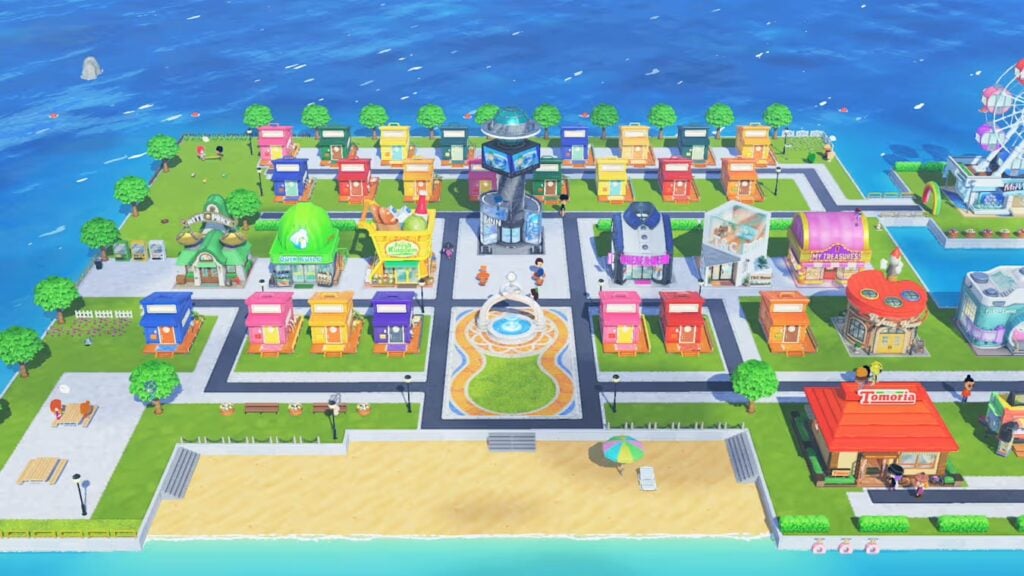
Now that the Mii characters could move around freely in a larger space, we wanted to take care of them in more ways.
Takahashi: The Nintendo 3DS version was also set on an island, but due to the processing power limitations of the time, we couldn't give lots of Mii characters free rein of the island, as much as we'd have loved to. The increased power of Nintendo Switch allowed us to expand the Mii characters’ active environment, and we thought we could replicate a wider variety of inside jokes with UGC. So, in the early stages of development, we focused on verifying those two points.
I see. So, the hardware's processing power impacts those areas. You'd think that more powerful hardware would also allow for more sophisticated graphics for the Mii characters. Was that considered?
Takahashi: When we decided to create a new Tomodachi Life game, we wanted to make Mii characters' visuals more appealing, in line with the current generation of game consoles. But after adding all sorts of new elements to the Mii characters, something began to feel...off.
Kageyama: Normally, as hardware resolution increases, so too do the possibilities for character design. So Mii characters' expressions have evolved little by little alongside technology. However, after speaking to the producer, Sakamoto-san, as well as Takahashi-san and the previous development team, it seemed to me that the Mii characters in Tomodachi Life are treated differently from those in other titles. The fact that they don’t see Mii characters as mere avatars, rather they pour affection into them as living beings, came through strongly. Since the characters are filled with the emotions of many people, I didn't think we should randomly alter their design just because the resolution had increased. So, although we tried out a lot of new things, we decided against changing things that define Mii characters' identities, such as their existing facial features and the shape of their limbs. With that in mind, we re-examined each part's structure and design from the ground up to ensure that they wouldn’t feel outdated, even with today’s more advanced graphics. On top of that, by adding new custom features and increasing the level of freedom for players, we aimed to bring a sense of newness unique to this game.
Takahashi: We didn’t make any major changes to the part designs, but we did brush up the appearance of the Mii characters.
Kageyama: We updated their appearance based on a simple, anime-inspired toon-style, allowing players to immerse themselves in the drama between Mii characters in cutscenes, for example. As we were reviewing the toon-style, I heard that the direction matched what Sakamoto-san had envisaged for the first Tomodachi Life game, and I thought to myself, “Yes, nailed it!” In fact, the Mii characters on the packaging of the first game have more of a toon-style design, unlike how they look in the game.
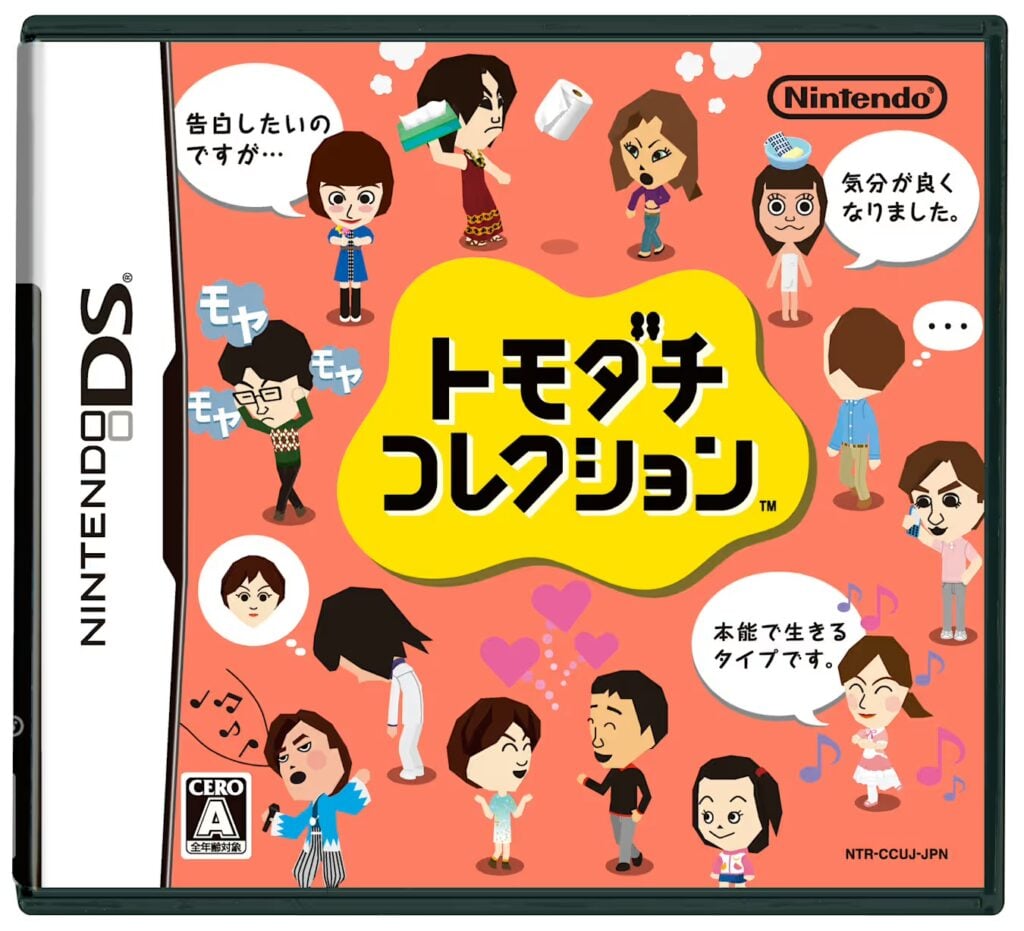
Minegishi: We had a similar discussion about Mii characters' voices too. By implementing a new text-to-speech engine for Nintendo Switch, the voice that serves as the basis for Mii characters is now very realistic, with a high level of accuracy and a human-like quality. However, if we express that realism too directly, it doesn’t sound like a Mii character anymore. So, I intentionally processed the voices to sound robotic. But I had a hard time finding the right balance. We wanted to preserve the existing Tomodachi Life feeling, while making suitable updates to adapt to the times. It was challenging to strike the perfect balance. However, I don't think that was limited to the voice—it's something every team has had to give a considerable amount of thought to throughout the project. There was a lot to consider in terms of adjusting the Mii characters’ movements, too.
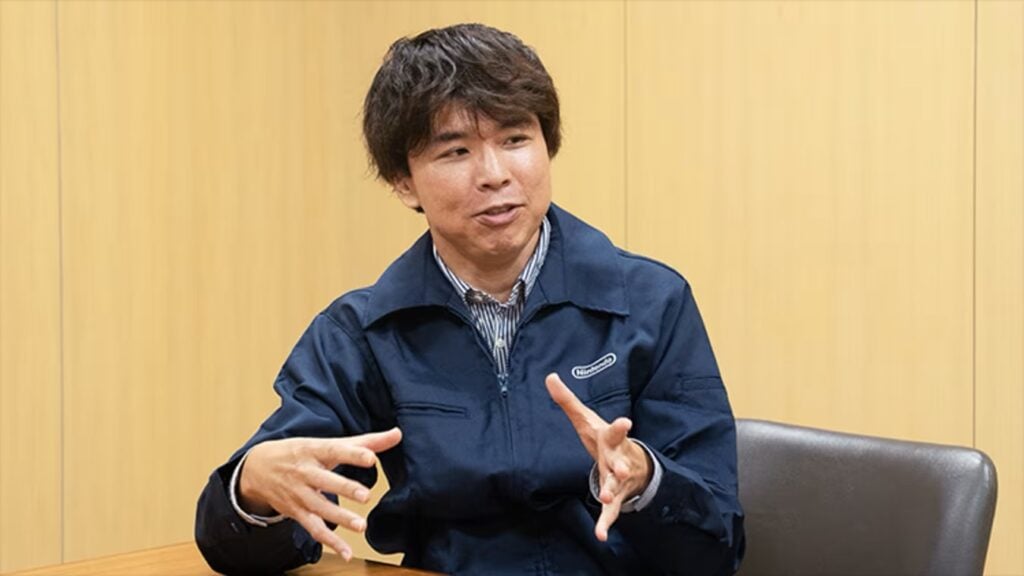
Kageyama: I often discussed with the animation staff members as to whether it was too realistic.
Whenever movements look too realistic and cool, it stops being Mii-like. We shaped the Mii characters' movements through trial and error―deliberately omitting the wind-up motions that usually serve to make movements appear smoother, and adding more bold, memorable movements.
So, making the character designs more elaborate, or voices and movements more realistic, in line with improved hardware performance, was actually creating a sense of inconsistency with the series?
Takahashi: That’s right. The development team had numerous discussions on this topic, pondering what makes Mii characters in Tomodachi Life unique.
Ueno: This goes not only for appearance, voice and movements, but also for actions. As the Mii characters became more capable, they started to come across as too mature. The opinion gradually emerged within the team that these characters—who were so cute in previous games—had started to feel a little off.
Takahashi: We were all like, “Hmm, it just doesn’t feel like a Mii.”
Ohnishi: We wanted them to be lovable characters that you can’t resist taking care of. (Laughs)
This desire to take care of them reminds me of the “loving parent” topic from earlier. Speaking of which, one of the game's new features is the ability to pick up Mii characters. Was this idea there from the early stages of development?
Ueno: Picking up Mii characters was originally implemented as a debug (7) function. Since the setting has changed from an apartment block to an island with this installment, the Mii characters have much more space to move about in, making it more likely for them to stray apart. So, we added a function that let us relocate Mii characters by force so we could perform various tests. However, as we tested things out and observed how the Mii characters reacted, we started to get greedy, hoping for specific outcomes like, “It would be nice if these two characters played together.” (Laughs) So, we thought it would be more interesting if we made the ability to pick up characters an actual part of the game.
(7) The process of playing in-development games for quality assurance and investigating program issues.
Takahashi: In the previous game, even if you wished for certain Mii characters to get along with each other, all you could do was wait and hope.
It’s very intuitive and easy to understand. It seems to have ended up being an important aspect of this title. At what point did you decide to make it the essence of the gameplay?
Kageyama: It was in the latter half of development, wasn’t it?
Ohnishi: That’s right. We were able to implement the ability to pick up Mii characters, but for a long time we struggled to decide what would be exciting to see happen after you drop one Mii character next to another so they could meet.
Minegishi: We made prototypes of things like string telephones to let characters interact with each other. Players could offer characters advice, such as, “Why don’t you try discussing this over the string telephone?”
Takahashi: You could, like, choose advice from four different options. But that led to Mii characters just doing whatever the player told them to, and losing all sense of agency. The whole appeal of the game is that Mii characters act of their own accord, resulting in outcomes the player doesn't expect. If the player forces a relationship, the game loses the element of genuine surprise, which is the series' true charm.
Ueno: It didn’t feel right to have players dictating Mii characters' actions, so we settled on letting them pick up characters and drop them wherever they like. But what happens after that is totally up to the character.
I see. So the degree of influence players have over Mii characters was seen as important.
Ueno: I just remembered something that left a strong impression on me during testing. One time, a character that was picked up and dropped next to another character didn’t interact with them—they just stood there, staring at them. Seeing that piqued my curiosity. I thought to myself, “Are they not interested in the other character? Or maybe they're just hungry?” and so on. It reminded me that the real fun comes from not knowing what the Mii character is thinking, or what’s going to happen next.
Minegishi: Mii characters occasionally act the fool, don’t they? When the development team revisited what it means to be a Mii character in the context of Tomodachi Life, the description that resonated with us the most was “an innocent being, akin to an adorable child.”
Kageyama: If they make smart-aleck or witty remarks—even just a little—they don't feel like Mii characters.
Takahashi: There are times when you can’t really tell what they’re thinking, or they'll blurt out whatever’s on their mind. While having that kind of innocence, they’re not just childish. Sometimes they'll come out with a surprisingly mature comment that hits you suddenly. We were conscious of putting this kind of depth into their characters. This sparks your imagination and makes you wonder, “What kind of reaction will I get if I show the character this?”
That’s true. Conversations between Mii characters can be a little spacey, and while it seems like they’re talking about the same topic, they also seem to be talking past each other. Yet they might suddenly make a very sharp comment that results in something unexpected. When I see things like that, I can’t help but smile.
Kageyama: The Mii characters aren't grounded or logical, and that's been important throughout the series. They’re just silly and eccentric. (Laughs)
Takahashi: Mii characters already serve a silly role, so if we also have them point out the absurdity of what other characters are saying, the joke begins and ends inside the game. That’s why we want players to take on that role. They've got to be the ones to say, “What are you on about?!” (Laughs)
Ohnishi: I think seeing the relationship diagram between Mii characters gives players another perfect opportunity to do this. You might see the relationship diagram of one Mii character saying, “I bet that character likes me,” only to find out the other character is actually thinking, “We're so not compatible.” (Laughs)
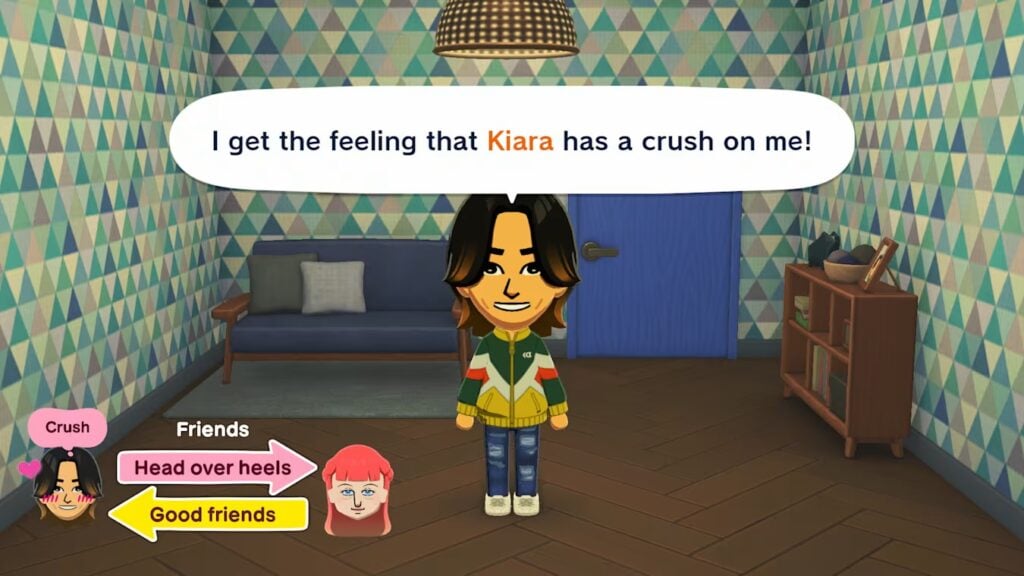
Or while observing Mii characters wandering around freely, you might see some characters eating and chatting together at a restaurant. Watching good friends dine together is heartwarming, but sometimes you'll get two characters who don’t get along sitting together and talking. The characters are doing the exact same thing—chatting in a restaurant—but this time you feel unsettled, and it stirs up the imagination in a completely different way. In this way, we deliberately refrained from over-organizing things, aiming to strike a balance that would allow unexpected things to happen.
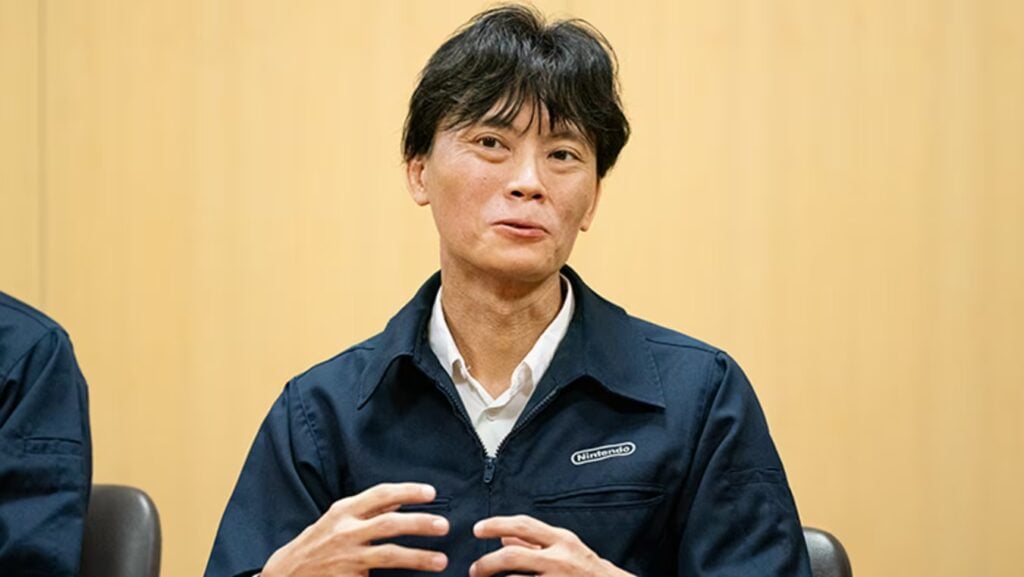
Takahashi: The Mii characters in Tomodachi Life are living beings that inhabit that world, with a will and personality.
Kageyama: What it means to be a Mii character in Tomodachi Life... The fun of observation because each character has their own personality... I think it was really important that the whole development team was aligned on these concepts from the beginning of development.
Part 2: Make anything you want
So, the development team had a shared understanding of what Mii characters are, rather than focusing on what’s possible with current technology. It sounds like that enabled the series to evolve while preserving the “Mii-ness” that's unique to Tomodachi Life. Speaking of evolution, the freedom to customize Mii characters has expanded significantly in this game, hasn’t it?
Kageyama: You can of course recreate faces you made with past Mii characters, but now I believe it's possible to go a step further and really fine-tune all those details. Along with new parts, more features like eyelashes, eyelid creases, and the mouth, can now be adjusted to different angles. With the addition of sub colors for hair, your Mii character can also have two-toned hair. Not only can you create characters with accurate likenesses, but we’ve made other adjustments to accommodate players' needs, such as exaggerating certain features, making them more handsome, cuter, and so on.
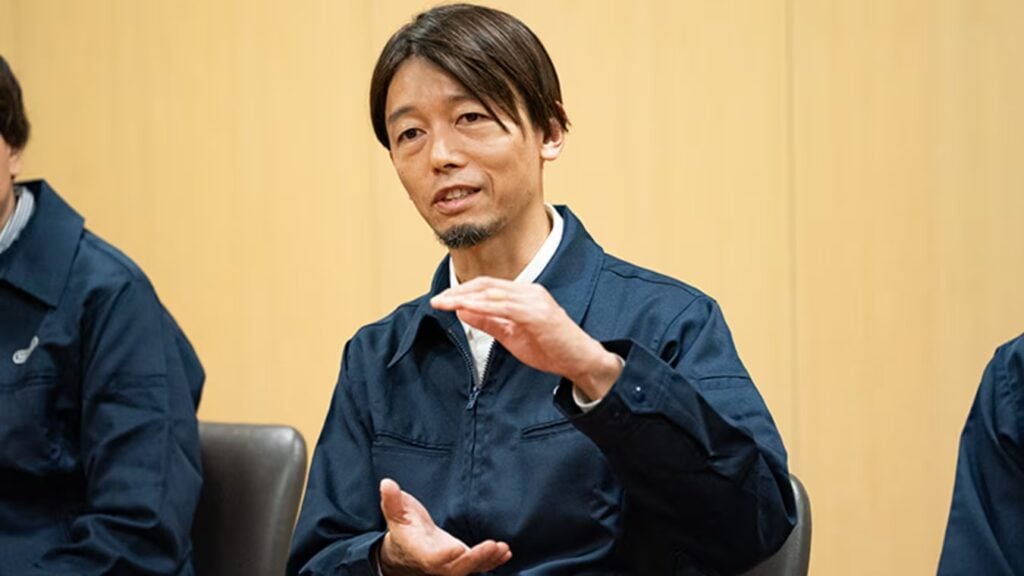
Takahashi: We also learned from past titles that some players want to create original characters, not just people who exist in real-life, like themselves, or their family and friends. So, we made it possible for players to create any kind of Mii with a bit of creativity. More freedom to adjust skin tone and the color of individual facial features means it’s now easier to create non-human Mii characters, such as animals or aliens.
Kageyama: You can also draw face paint however you like, so depending on how you make use of it, you can draw whiskers, like this.
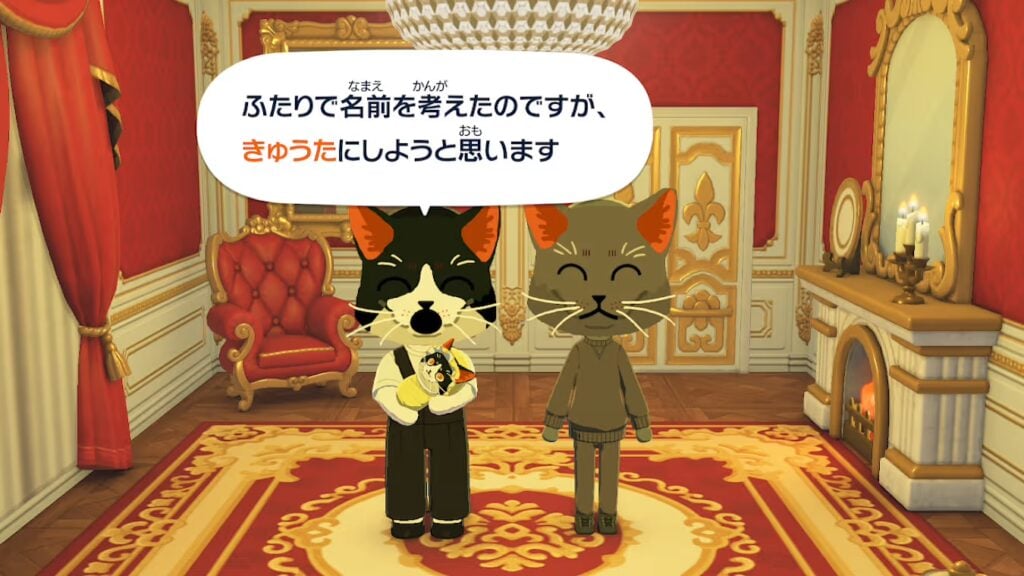
*Image created during development.
**English Translation: We like the name Kyuta. What do you think?
Ohnishi: By the way, babies born to Mii characters inherit the characteristics of their parents. So, when these cat-like Mii characters had a baby, it inherited their cat-like qualities, which surprised even the development team. (Laughs)
Takahashi: We wanted to accommodate players’ wishes for the kind of Mii characters they want to create. Compared to the previous game, you have more freedom to choose not only their design, but also their dating preferences and gender, as well as the type of outfit they'd wear to an event such as a wedding. We did everything we could to enable players to create the characters they wanted.
You're really giving players a lot of freedom. But if you give them too much freedom, couldn't those who aren't confident in drawing or creating Mii characters feel intimidated?
Takahashi: For those players who don’t have much experience creating Mii characters, we've implemented a new feature that lets you create them automatically by answering some questions. For example, whether they should have long hair or short hair, or what shape their face, eyes and mouth should be. After answering all the questions, a Mii character that matches the answer will pop up. Why don't we give it a try right now using Sakamoto-san's face?
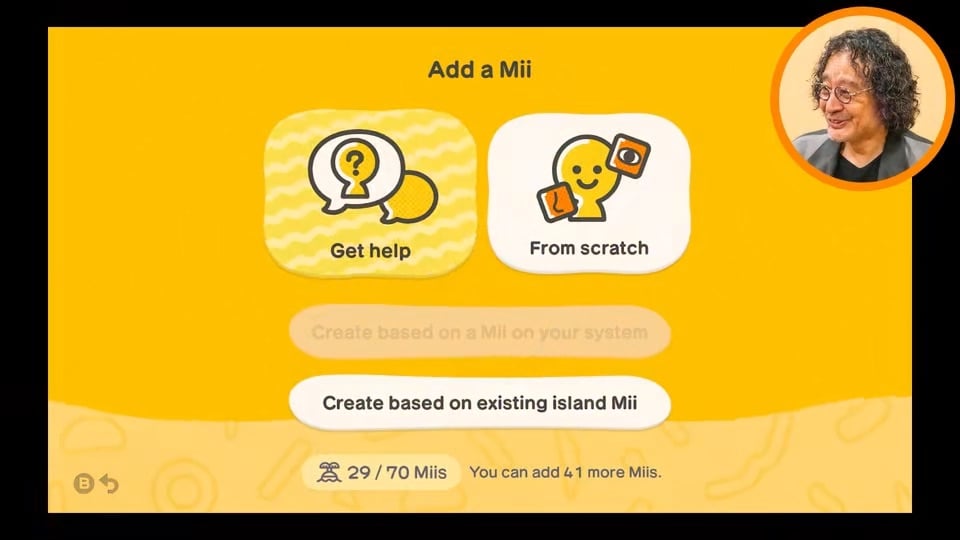
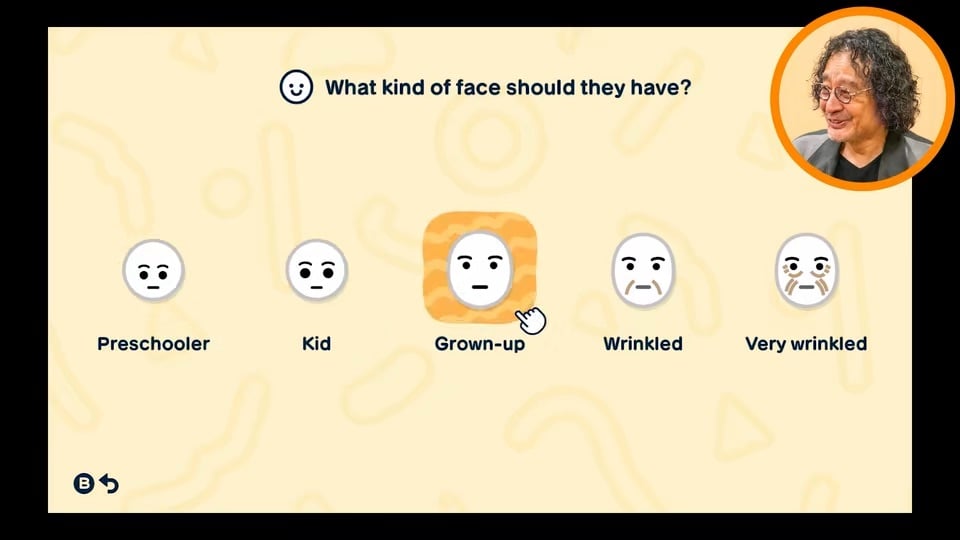
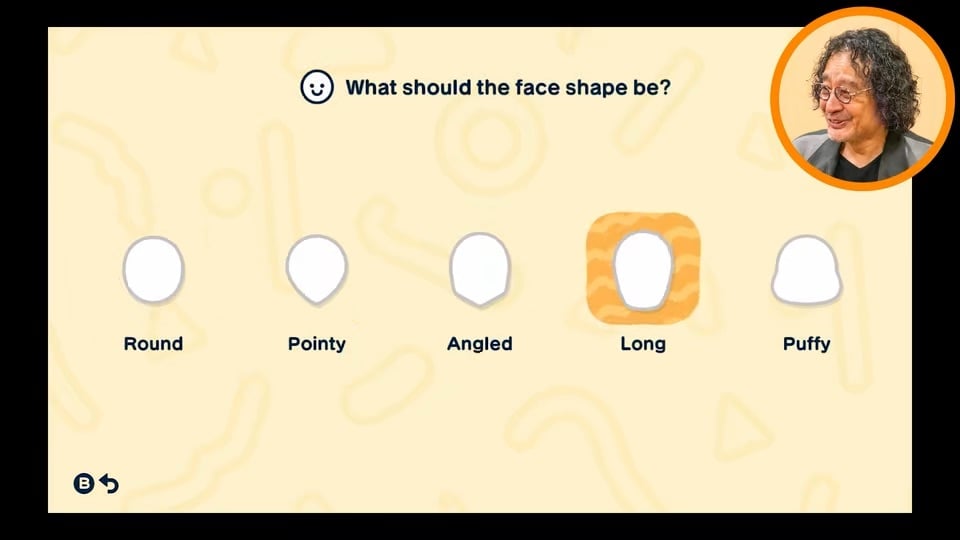
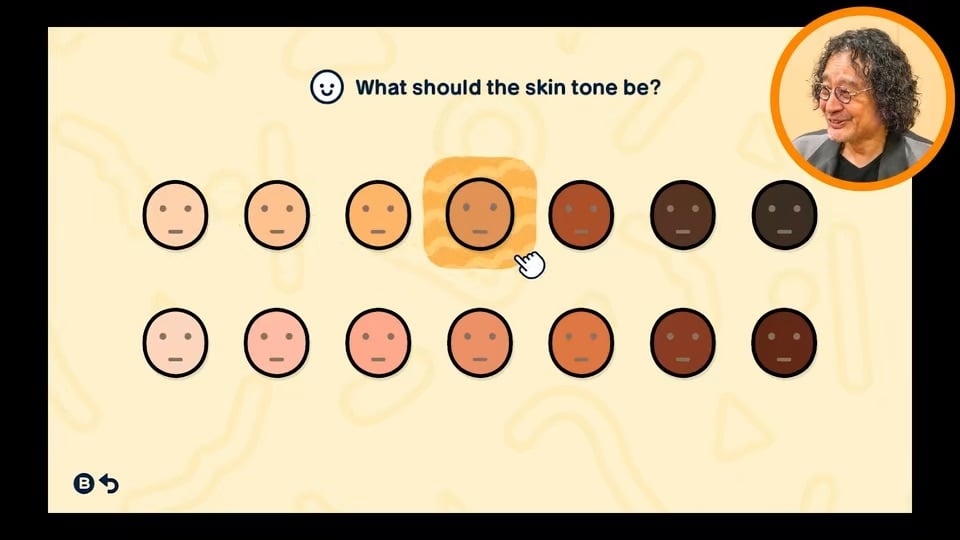
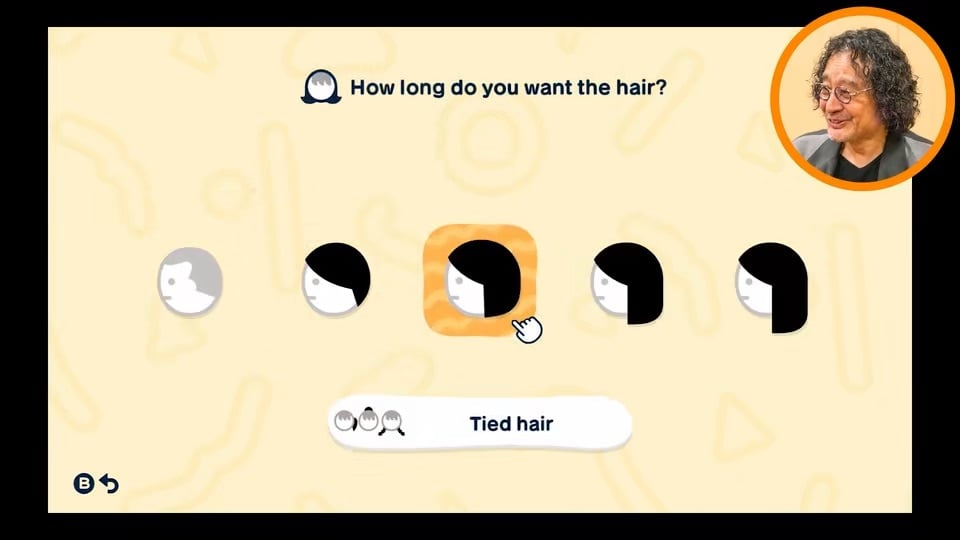
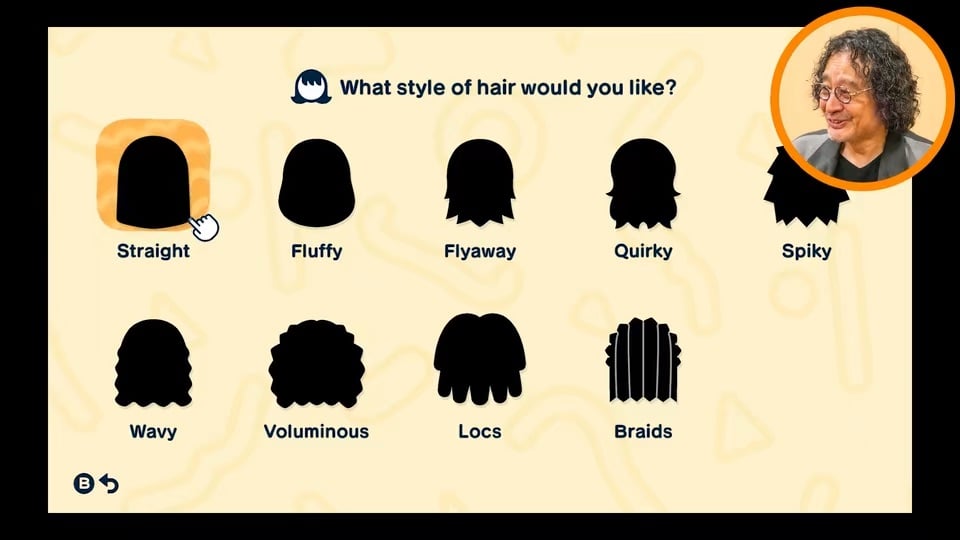
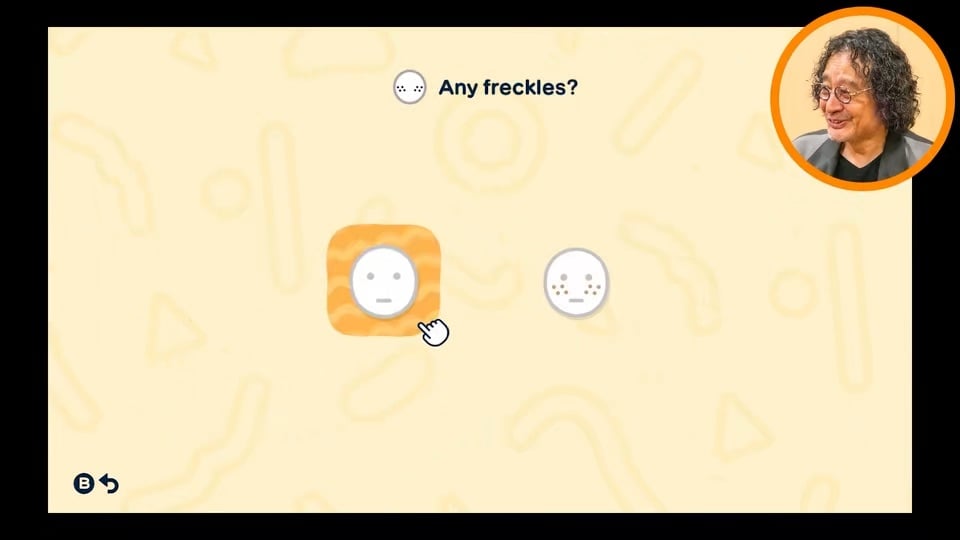
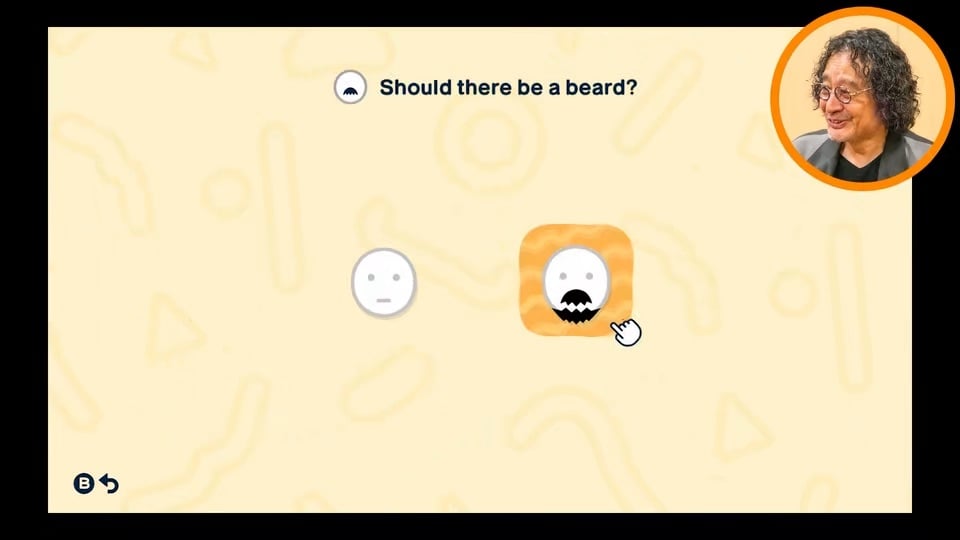
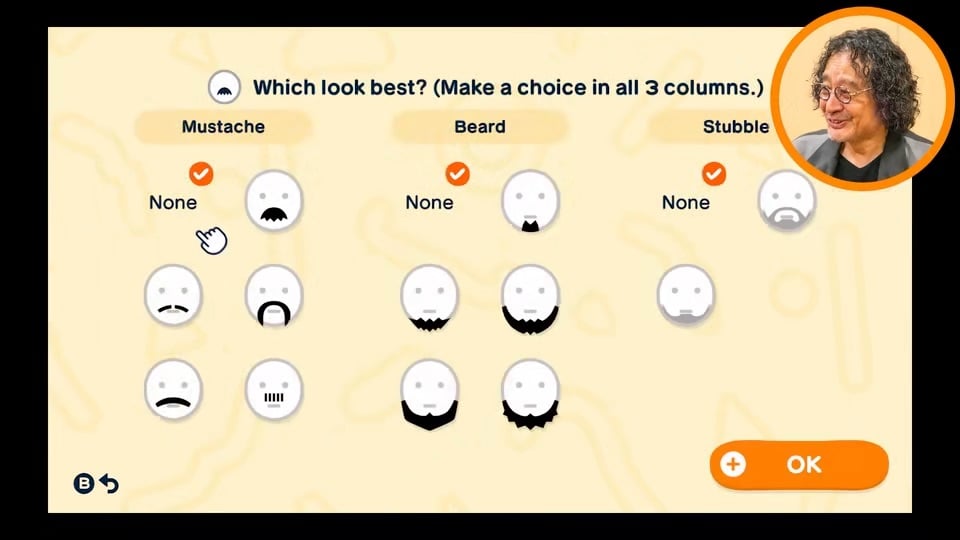
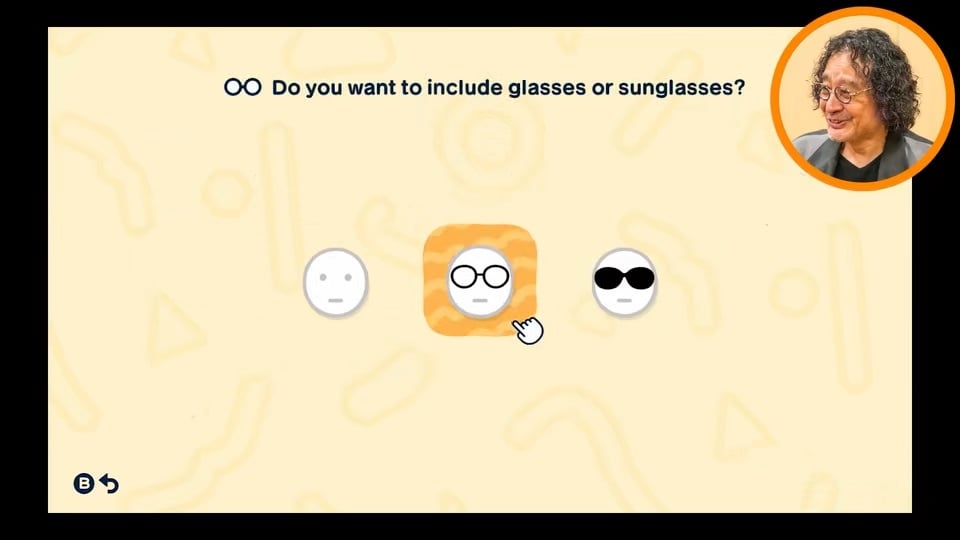
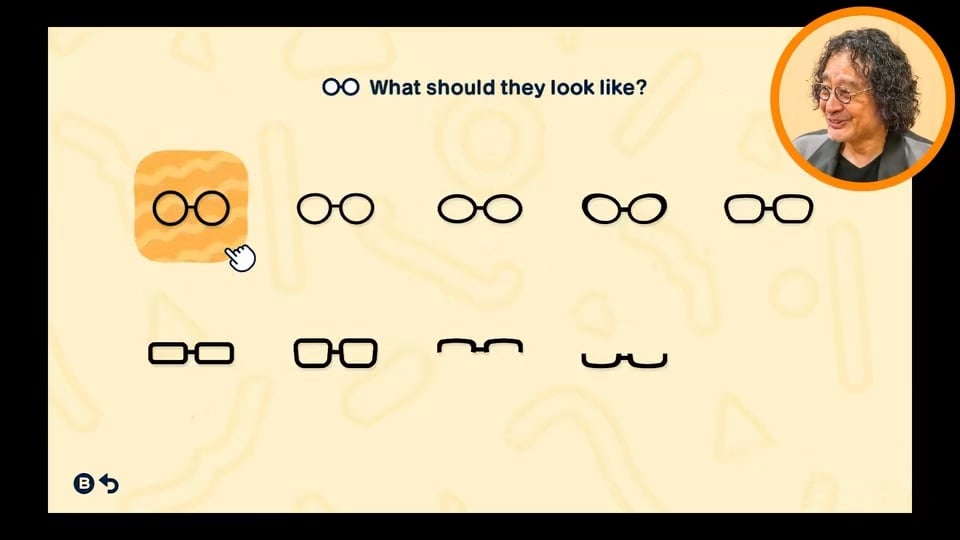
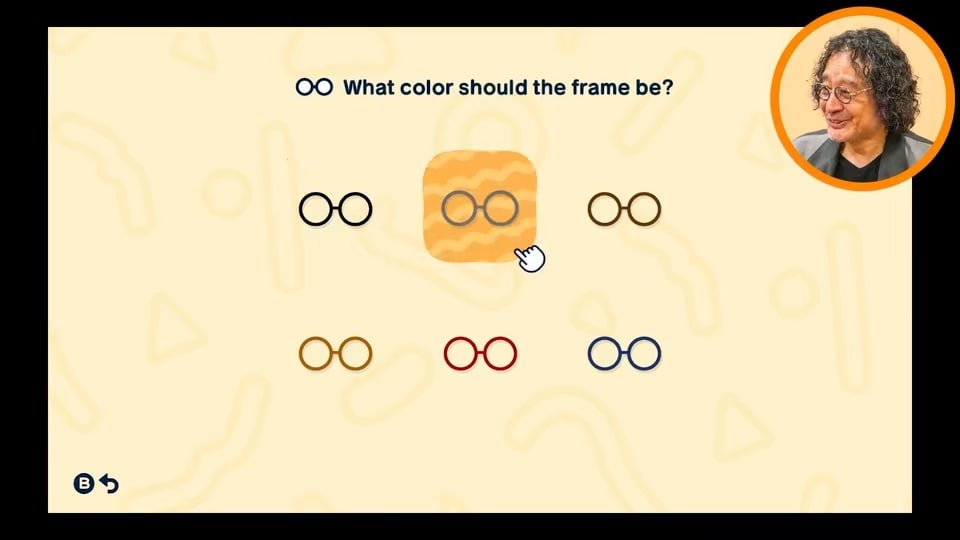
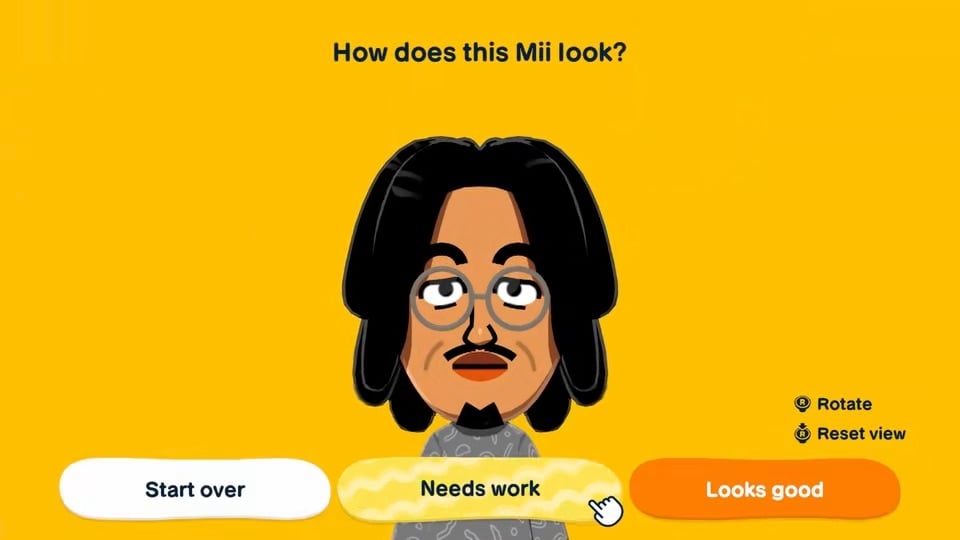
Oh, it does give the right vibe, even though it was just based on our answers! (Laughs)
Takahashi: Even players who struggle with the traditional method of Mii creation should find it easy, as all they have to do is answer some simple questions. However, it does feel a bit unsettling when you’re answering the questions, wondering what kind of Mii character you’ll end up with. (Laughs) Even if the character doesn’t look like the person you had in mind, you can still joke around like, “Who on earth is this?!” or, if you're with a group of friends, go, “You really nailed the eyes!” It makes me happy to think of players developing a fondness for the Mii characters they’ve created.
Enjoying the inside jokes that result from your own creations is definitely one of the highlights of this game.
Ohnishi: In Tomodachi Life, you can tell Mii characters things, and in this game, characters sometimes bring up those things with each other unexpectedly.
Takahashi: For example, when one Mii asked me, “Tell me something you could talk about endlessly with friends,” I answered, “My frozen shoulders have fully recovered.” Just when I’d forgotten I had that conversation, there was a group of Mii characters chattering. I went closer, wondering what they were talking about, and it said, “They are passionately talking about frozen shoulders being cured.” (Laughs) So the things you've told them will suddenly pop up in unexpected moments.
Players can give a Mii character all sorts of gifts, but how they use those gifts is entirely up to them. That’s what it means to be a Mii in Tomodachi Life, right?
Takahashi: Right. Besides words, you can give Mii characters food, clothing, and even so-called "treasures," like games and books. I hope everyone enjoys seeing a variety of reactions by giving them all sorts of different things. And the biggest gift you can give to the Mii characters is the island itself. (Laughs) Being able to freely customize the island where Mii characters live is another of the game's highlights, and one of the UGC mechanics we put a lot of work into. I brought one example to share with everyone today. This is an island called Development HQ Island that one of our staff members created.
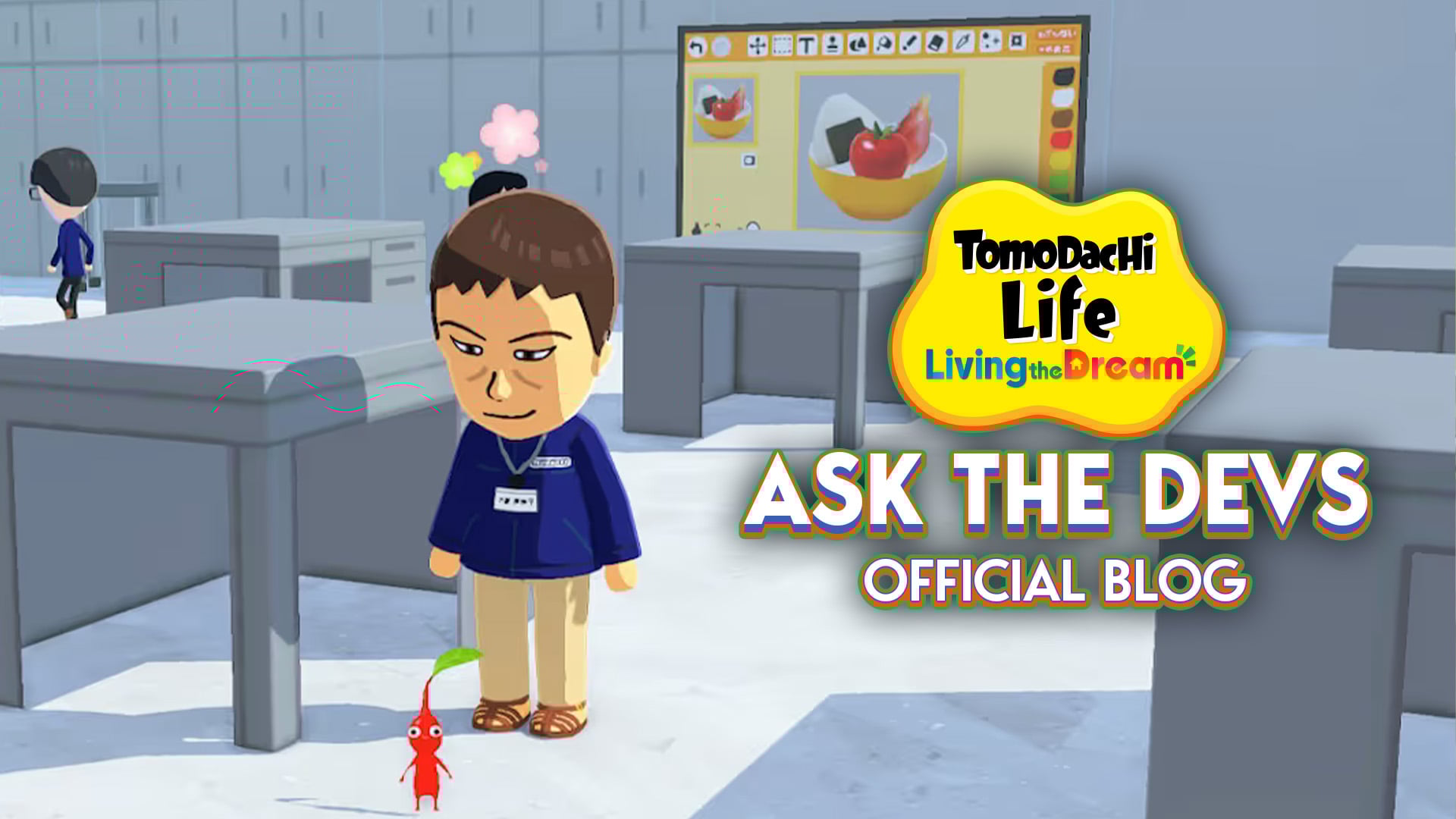
Everything you see here uses the Island Builder feature to recreate the development team's office, which is inhabited by Mii characters of the development staff.
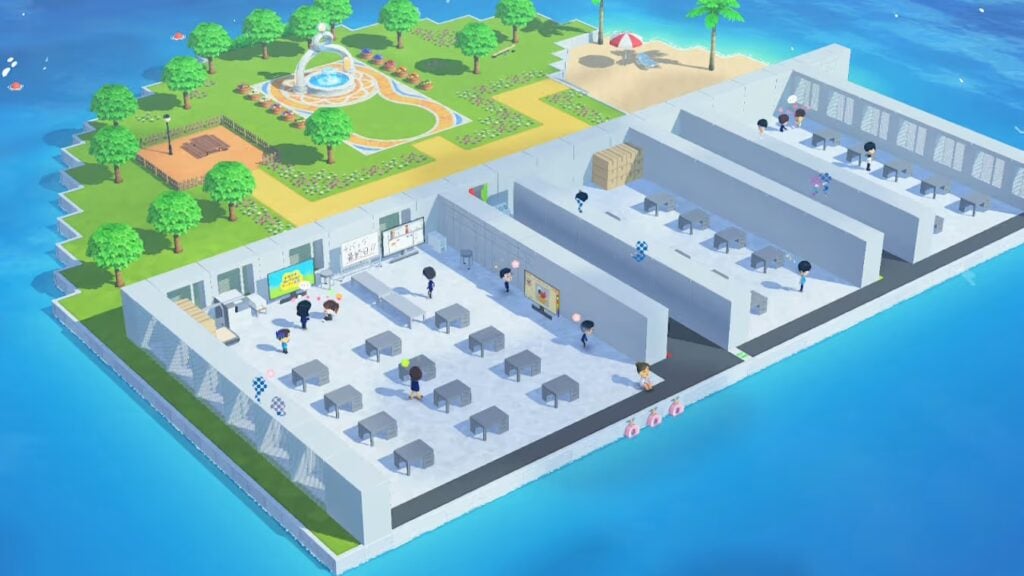
*Image created during development.
This place certainly looks familiar. Even so, it's impressive to see what you can create with this much freedom―it’s beyond the scope of an island.
Takahashi: A lot of effort has been put into this, though. Actually, each desk is a Mii character’s home. Everyone's talking or lounging around instead of going to their desks. (Laughs) The things you've told your Mii characters will come out at times like this.
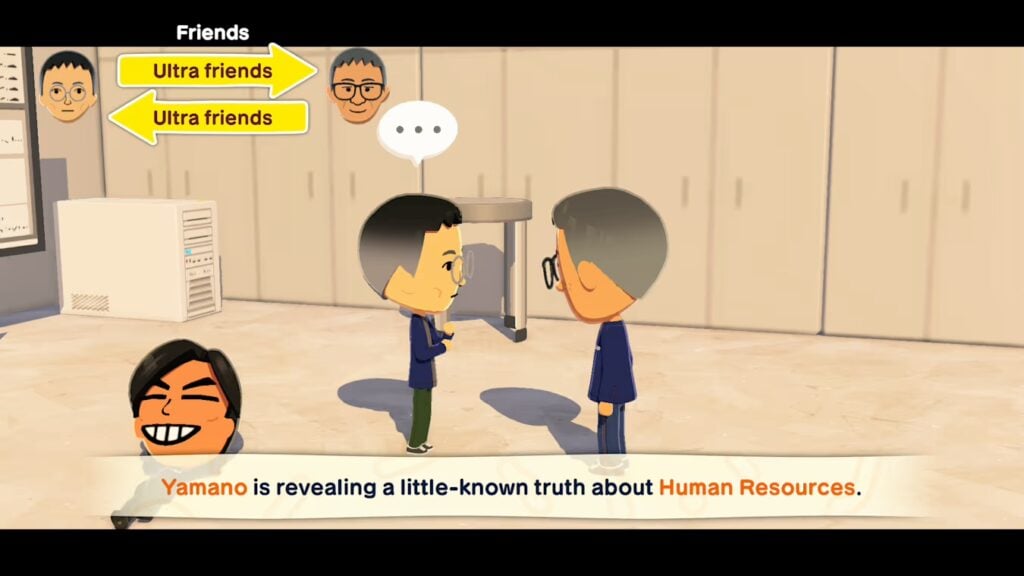
*Image created during development.
This...makes you wonder what they're talking about... (Laughs)
Ueno: Because you can create all sorts of things with UGC, we even made a "Ryutaro Takahashi staff security card." We also made “pay check” items to use as gifts. In addition to creating UGC from scratch, you can also type in words or simply paste the faces of Mii characters that live on the island as designs, so even players who aren't as good at drawing can have fun with it.
Kageyama: Oh, and there are pets on this island as well.
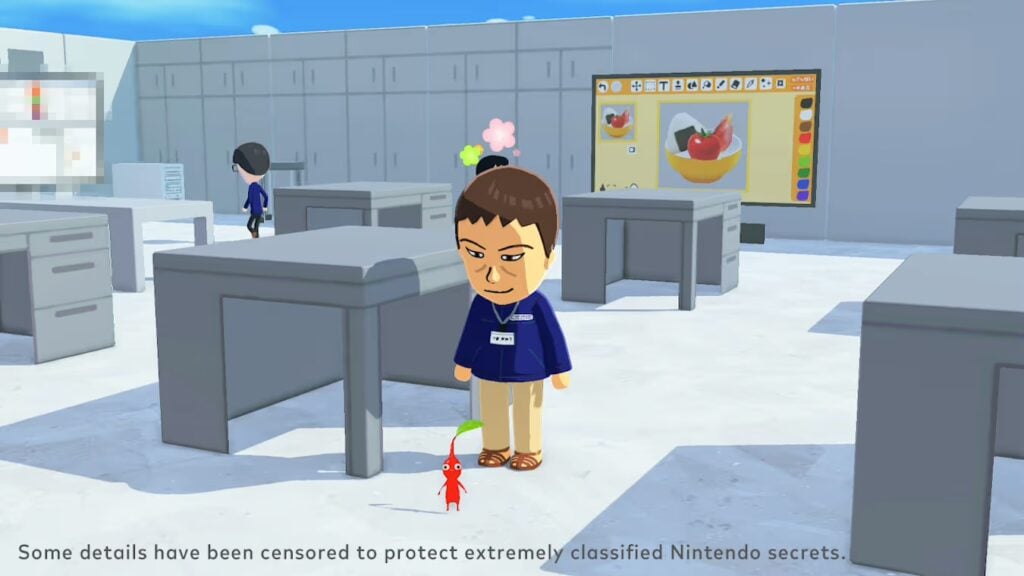
*Image created during development.
Is that a Pikmin?
Takahashi: That's another example of UGC. You can create your own pets and give them to your Mii characters. We created Pikmin as pets since they're familiar to us, and our Mii characters were taking them for walks. (Laughs) We made all sorts of items inspired by inside jokes that only the development team would get.
Ueno: We thought that if we developers got a laugh out of it, players will have just as much fun coming up with their own inside jokes.
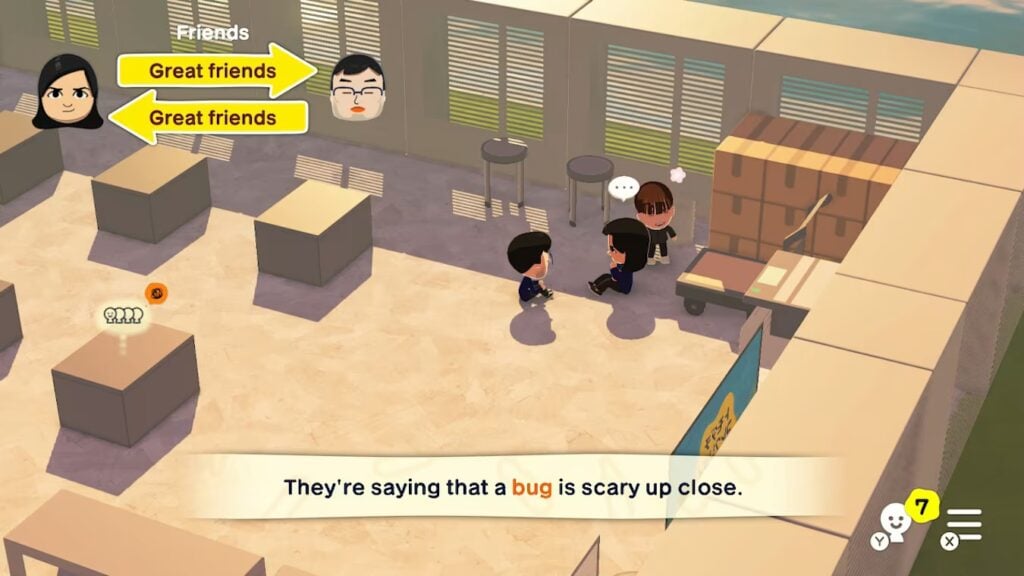
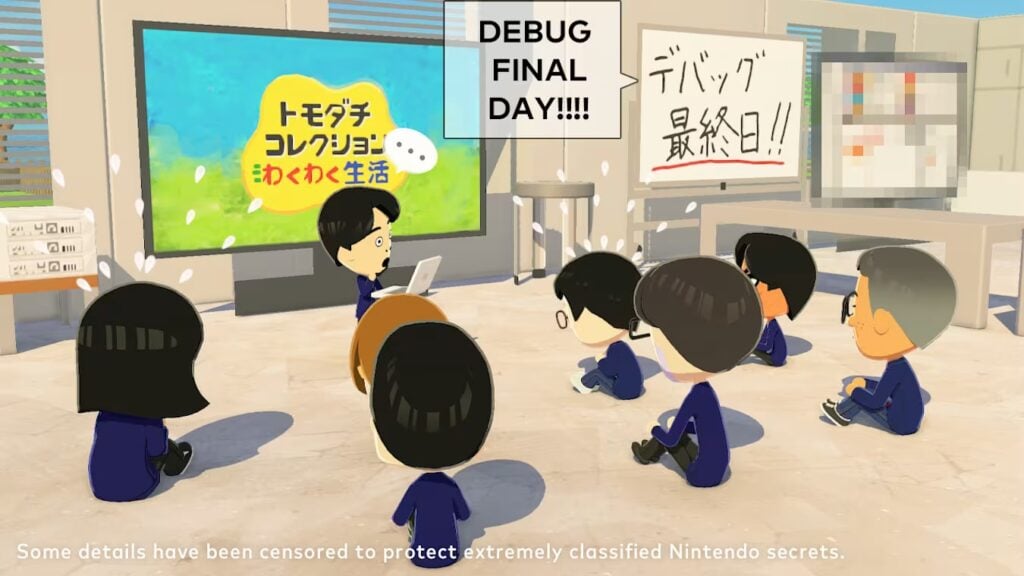
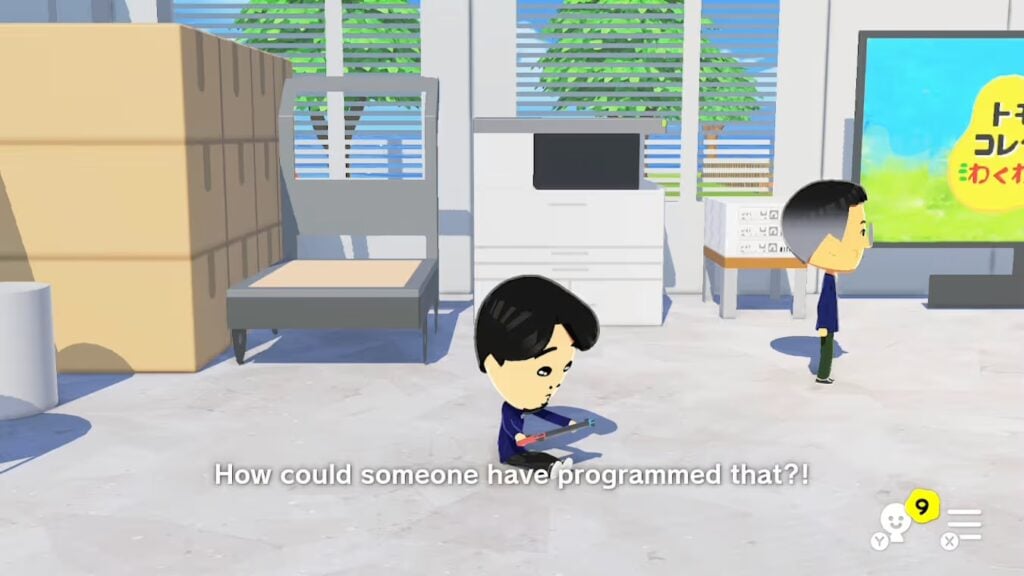
*Images created during development.
So, players can create familiar places, items, and people in the game to see how their Mii characters interact in those settings, and that mix often leads to new inside jokes. Designing the game in such a way that all those freely created elements wouldn’t break it must have been a challenge?
Ueno: It was no easy feat for the programmers. Mii characters would sometimes pace up and down the same area, or several of them would try to use the same item at once... So, we set rules for each of those unintended behaviors, keeping the ones we thought were odd but amusing. After layering all those elements so they wouldn’t fall apart no matter how they were combined, everything finally clicked into place and made sense. Before we had those rules in place, it was pure chaos and really hard to manage.
There was even a time when we thought leaving it chaotic like that might actually be kind of fun. (Laughs)
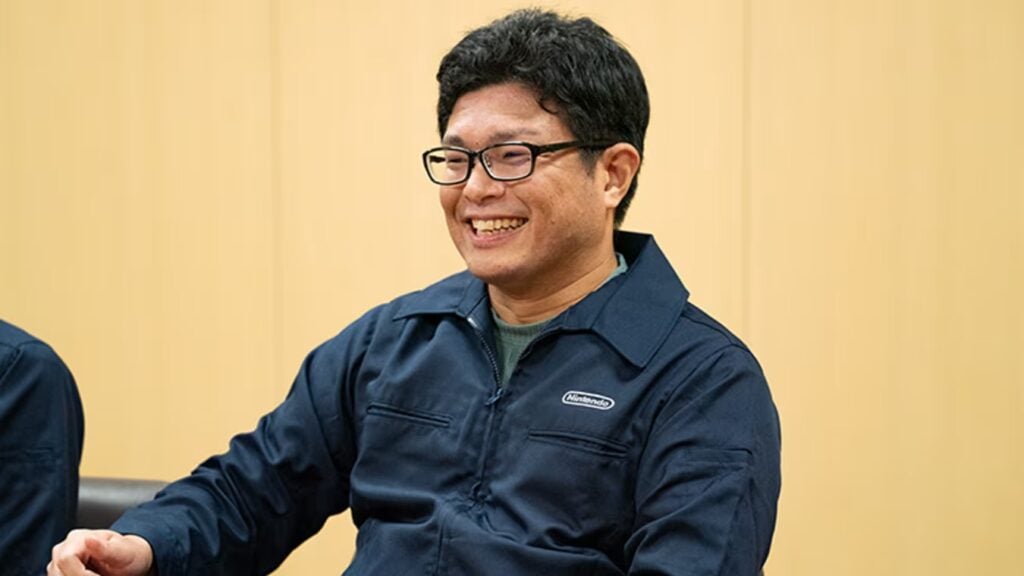
Kageyama: Back when it was pure chaos, we kept experimenting, without finding the right solution, and asking ourselves what players would actually enjoy seeing.
Takahashi: It feels like we spent the entire project fine-tuning that balance. (Laughs) It took a long time until the final vision was clear, and we could say, “Now we just have to build the thing!” We originally planned to finish the UGC tools in about a year and a half. But because we wanted players to enjoy the game simply by observing the Mii characters, we came up with more and more ideas as development progressed.
Ohnishi: Takahashi-san and the UGC planner kept coming up with ideas like, “We want this feature...oh, and this one too.”
Takahashi: We ended up spending six or seven years on it. (Laughs)
Six or seven years?! That’s quite surprising. You must have gone through a lot of trial and error to put it all together and get the balance right. People play the Tomodachi Life series in so many different ways. Did you have that in mind during playtesting?
Takahashi: Once things had finally come together after all that trial and error, we conducted playtests, primarily with the families of our development team. Because Tomodachi Life is designed to be played over time, we asked the playtesters to spend about a week creating Mii characters and experimenting with different UGC. The feedback was overwhelmingly positive, which was a big relief.
Kageyama: Since we'd struggled with it for so long, it was really reassuring to hear that people had found it fun.
When you were conducting playtests, did some things go exactly as you expected, and others not?
Takahashi: I personally really wanted people to have a go at creating UGC. I was worried that if they couldn't create exactly what they had in mind, it wouldn't be fun for them. But in the end, they were just as eager as we'd hoped to dive in and make lots of things.
Minegishi: We were caught by surprise when my child reported a lack of interest in the romance elements.
Ueno: And we'd worked so hard on those elements, too! (Laughs)
Minegishi: My child still had fun making Mii characters and exploring friendships. But the romance elements didn't capture their imagination, which is something we hadn't accounted for, and that was really interesting to see.
Ohnishi: My child, on the other hand, was completely invested in my Mii character's love life. (Laughs)
Everyone: (Laughs)
Takahashi: Everyone who took part in the playtest had a different approach to the game, and it was very rewarding to see each person discover their own way of enjoying Tomodachi Life. There are countless ways to play Tomodachi Life, and ever since the first game, we’ve wanted it to be something you can play casually, in a relaxed way. So, we wanted to ensure that, while you can create what you want in this game through UGC, you can have just as much fun even if you don’t create anything at all. There are ready-made templates for UGC that you can use if you like, but you can also choose not to create anything at all. Even island-building can be left entirely to the Mii characters. We wanted to ensure that anyone seeking a relaxed experience can play this game in the most carefree way.
Seeing players embrace all those different ways to play was one of the biggest takeaways we got from the playtests and was a huge encouragement for us.
Part 3: Nine years' worth of ideas
You never grow tired of watching these Mii characters, who look just like people you know, going about their daily lives. With all those unexpected moments in the game, how did you come up with ideas for scenarios?
Kageyama: We set up an idea board where anyone on the development team could share their ideas.
If someone posted a fun idea, someone else in a totally different role might pick it up and make it happen. Bringing an idea to life meant setting up a proper workflow, which presented challenges. But we trusted the passion of the team members who wanted to drive it forward and encouraged them to refine their ideas. One of the defining features of this project was seeing that kind of collaboration all the way through into the later stages of development.
I see. So, this game is packed with scenarios that the developers themselves thought would be fun.
Kageyama: Even when it came to room designs, we packed in lots of ideas. To be honest, maybe we went a bit overboard adding little touches, as some rooms turned into a headache for the graphics team... (Laughs) But the excitement each team member felt while creating those details really gave the game its energy.
Ueno: Before I knew it, a bunch of things were moving, objects were making unexpected sounds, and smoke was coming out from somewhere... (Laughs) Things got pretty wild. A lot of the newer team members had played Tomodachi Life on Nintendo DS and Nintendo 3DS, and I think they were the ones most passionate about the series. They’d say things like, “We absolutely have to include this!” with so much enthusiasm.
Kageyama: Many of the directors and leads were focused on getting development across the finish line, so when the schedule got tight, they were tempted to let things go, thinking, “I'm not sure this'll make it...” But then, a passionate team member on the ground would insist, “We can’t cut this, it’s absolutely essential!”
It was incredibly reassuring to see teammates stepping up, saying, "I'll take charge!" and driving things forward. The game’s quality owes a lot to those passionate individuals who took ownership and responsibility.
Takahashi: For example, Mii News was something we almost dropped because we didn’t have enough time to fit it in. But then one of the younger designers said, “Without Mii News, it just wouldn’t feel like Tomodachi Life! It’s what really gives the game its character.”

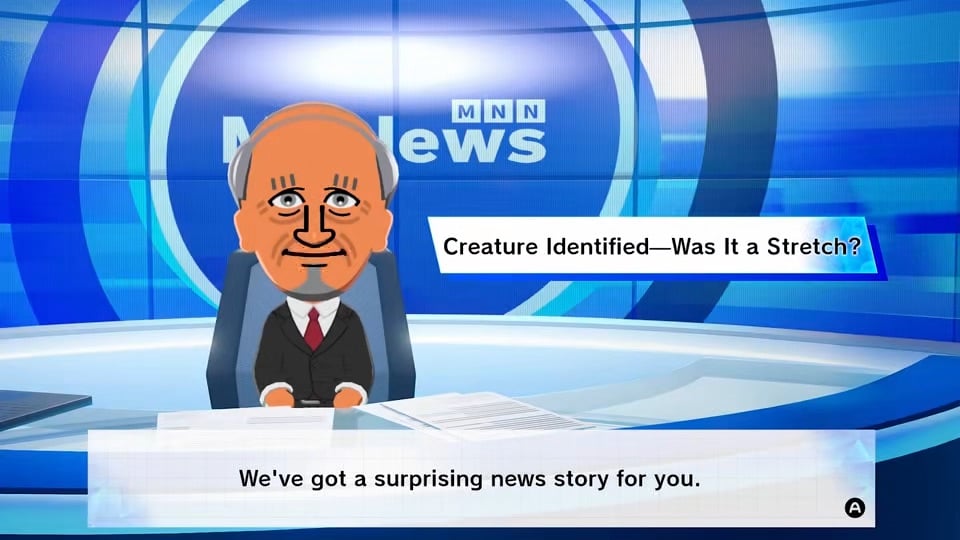
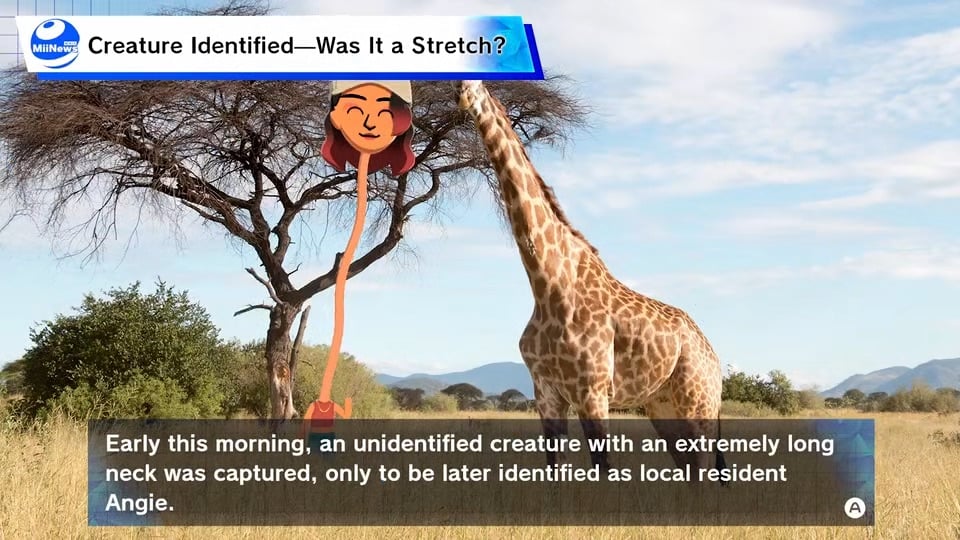
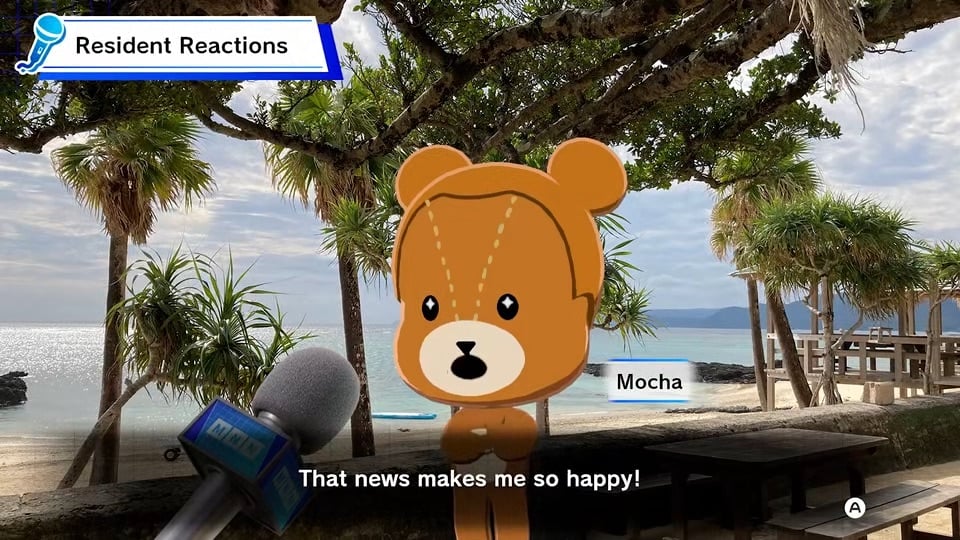
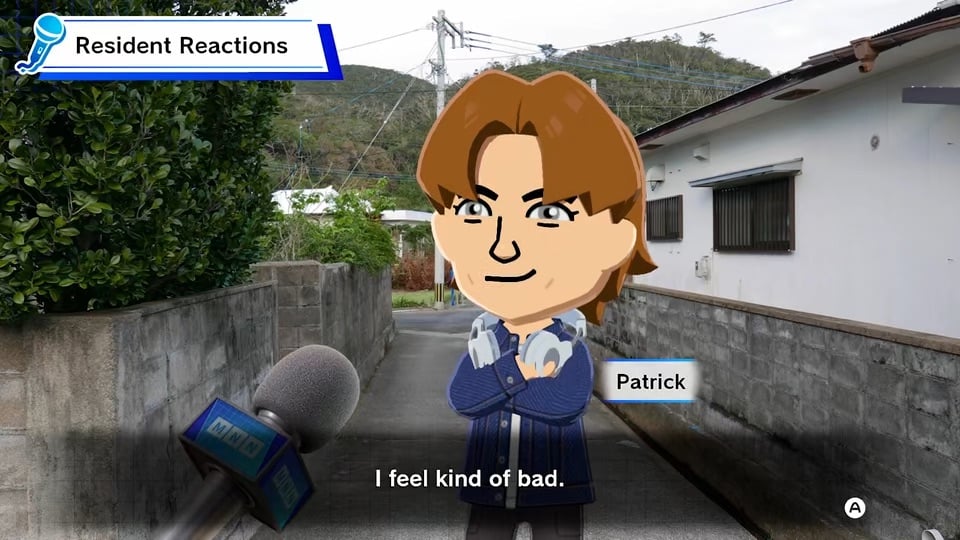
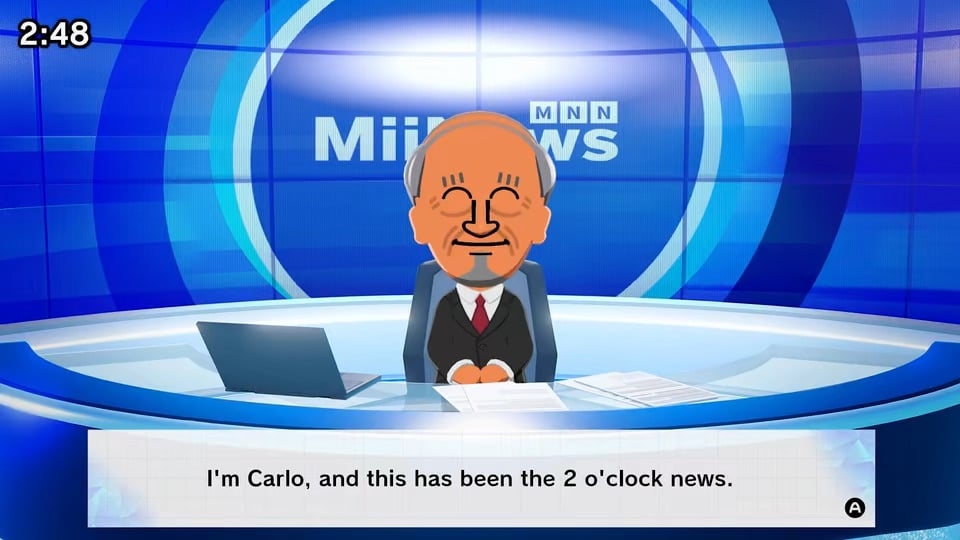
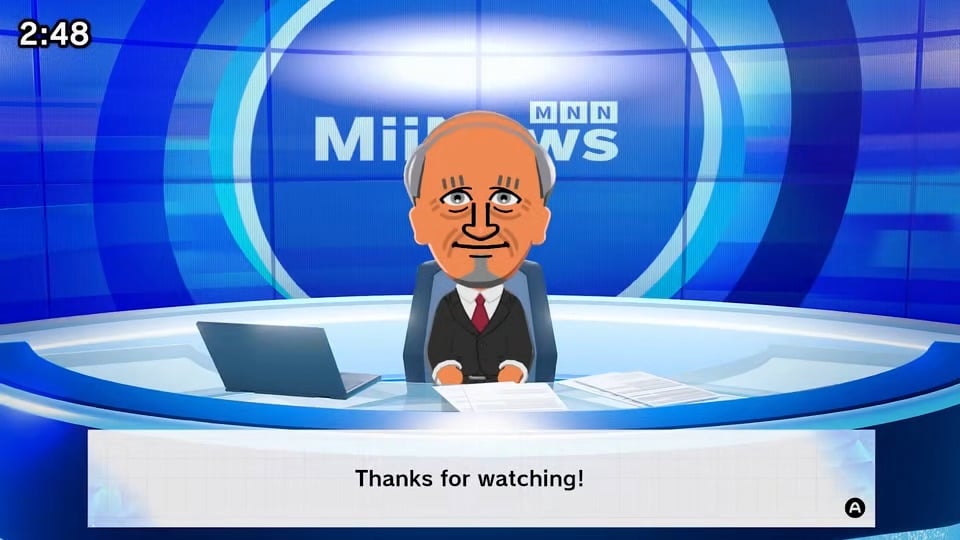
Ueno: Meanwhile, the veteran developers were grumbling, “We don't have time for that...” (Laughs)
Takahashi: That designer went around talking to different people, figuring out how we could make it work, and eventually came up with a realistic plan. It really struck me how someone who used to play the series as a fan was now a developer, bringing those memories to life in the game.
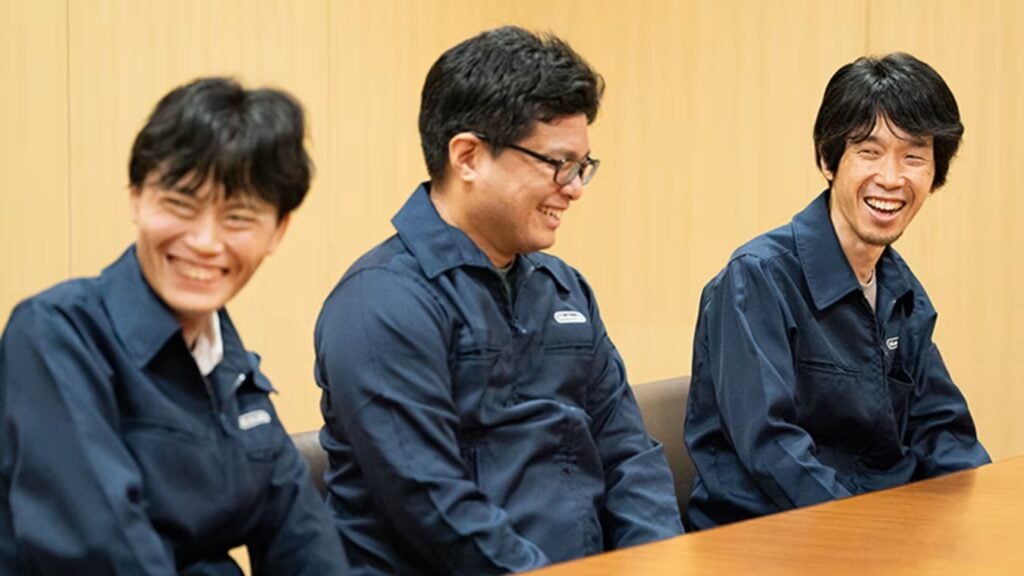
So, the experiences and memories that each developer brought to this game helped shape Tomodachi Life's uniqueness.
Ueno: Speaking of which, we added a feature called “little quirks,” where players can give their Mii characters traits and behaviors related to their walking style, how they eat their food, and so on.
Takahashi: The 16 personality types from the first game are still there with their characteristic phrases and movements. But we felt that alone wasn’t enough to represent all the personality types. Things like “loud voice,” “light eater,” or “sleeps restlessly.” If we forced those quirks into the 16 personality types, you’d end up with a Mii that doesn’t feel like the person you intended to create. So we thought if players could add in those details themselves, they could have fun creating Mii characters that feel even closer to the people they're based on. That’s how little quirks came about. It’s totally up to players to decide which little quirks to give their Mii to make it feel like the person they have in mind, and giving them that freedom was a huge breakthrough for this game.
Minegishi: Some of them go way beyond quirks, though. Like floating in midair. (Laughs)
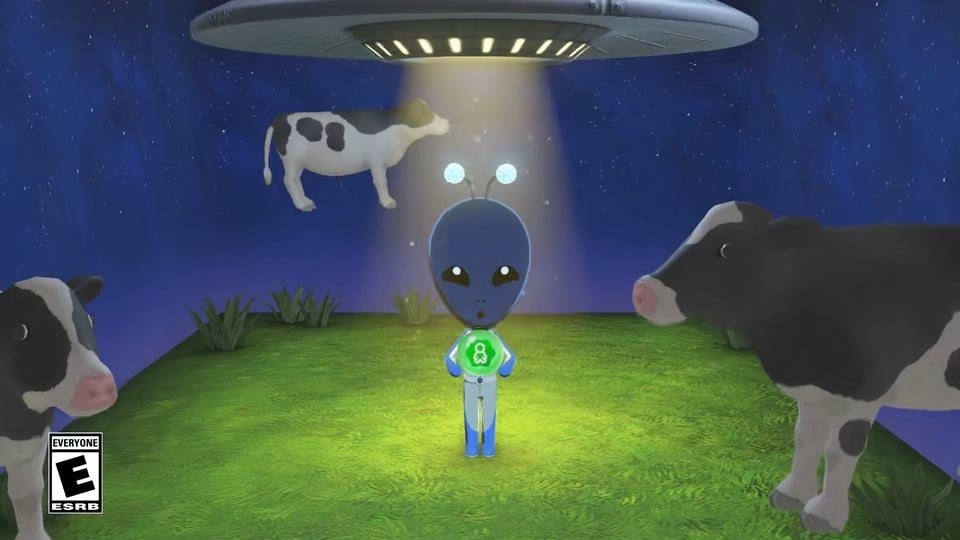
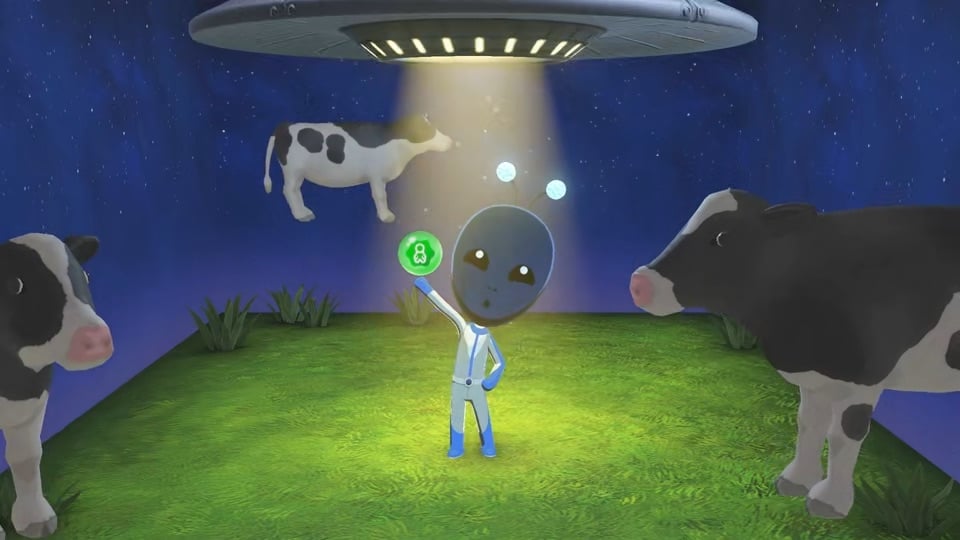
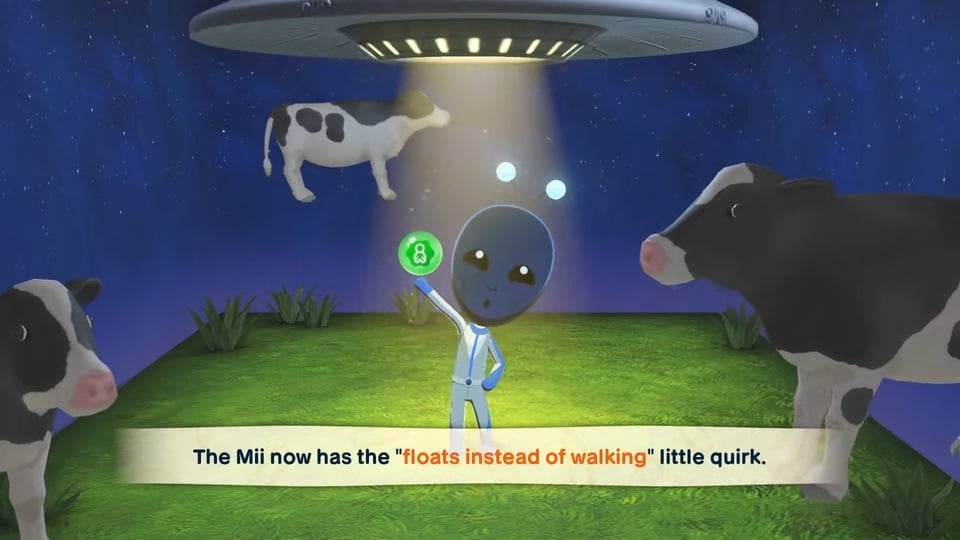
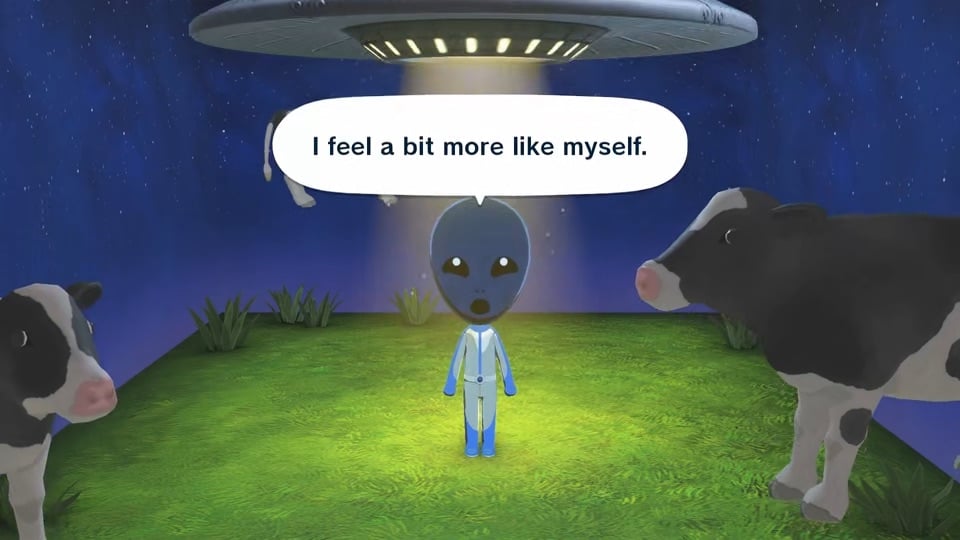
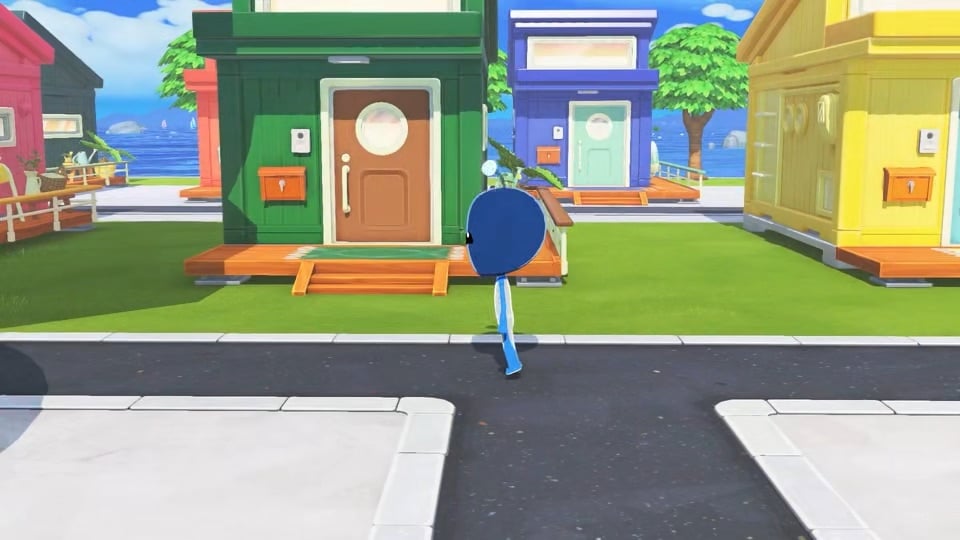
Takahashi: Right. You can even make a Mii character that’s not human-like. Floating might not exactly be a quirk, but if it makes that Mii unique, why not? Speaking of little quirks, there was a big debate among the team about whether Mii should be able to...break wind. (Laughs)
I beg your pardon?
Takahashi: Some people found it hilarious, while others thought it was a bit vulgar. After talking it over, we ended up making it a little quirk. If it's your kind of thing, you can bestow the trait on your Mii. If not, you're under no obligation.
Minegishi: While we're on the subject, we really obsessed over getting the sound just right...
Ueno: We did so many retakes. (Laughs)
Minegishi: Tell me about it. I got comments like, “That’s a bit too realistic for my liking.”
Kageyama: We tried out all sorts of visual effects, too. For a while, the fart effect looked like an explosion going off. (Laughs)
Everyone: (Laughs)
That’s some serious attention to detail. From what I've seen of the game, it looks to be packed with things that make you chuckle or go, “Wait, what?”
Takahashi: It's nine years’ worth of ideas crammed into one game. (Laughs)
Ueno: When it came to in-game food, we wanted to include items that would be familiar to players, so some of them are extremely local.
Takahashi: Because food varies so much by region, we made sure the items that appear in shops early on match the player’s region settings. If you set the game's region to Japan, you’ll see things like rice balls or matcha. Change it to the US and you'll come across s’mores, which aren't well-known in Japan.
Ueno: Eventually, all foods become available no matter what region you're set to, but if you've set it to Japan and the first thing you see in the shop is chicken pot pie, it might be a tad jarring. We thought that if it’s set to Japan, it should be something people in Japan are familiar with, like rice balls. We applied the same thinking to currency. Prices are set by region, so players will see familiar currencies like yen, dollars or euros. Introducing a fictional currency like “Tomodachi Coins” just didn't seem right and would have instantly made the world seem unfamiliar.
I see. So, localization isn’t just about translating words, but about creating a world that feels relatable and familiar to players in each region. Speaking of world creation, the music really adds to Tomodachi Life's unique atmosphere.
Minegishi: Right. When I first joined the project, I shared a rough demo with Sakamoto-san and Takahashi-san, asking if they thought it would be suitable for the upcoming game. I recall the music being fairly simple, inspired by the relaxed, lighthearted aura that Mii characters give off. But they weren't very impressed... The same was true of the reworked version. I can laugh about it now, but back then, I spent months trying to figure out what to do. (Laughs) As I wrestled with the question, “What kind of music truly captures the essence of Tomodachi Life?” I revisited the soundtracks from previous titles. Then, one day, I tried playing the main theme from the original Nintendo DS game (8) on the piano, and realized how complex, jazzy, and full of character it was.
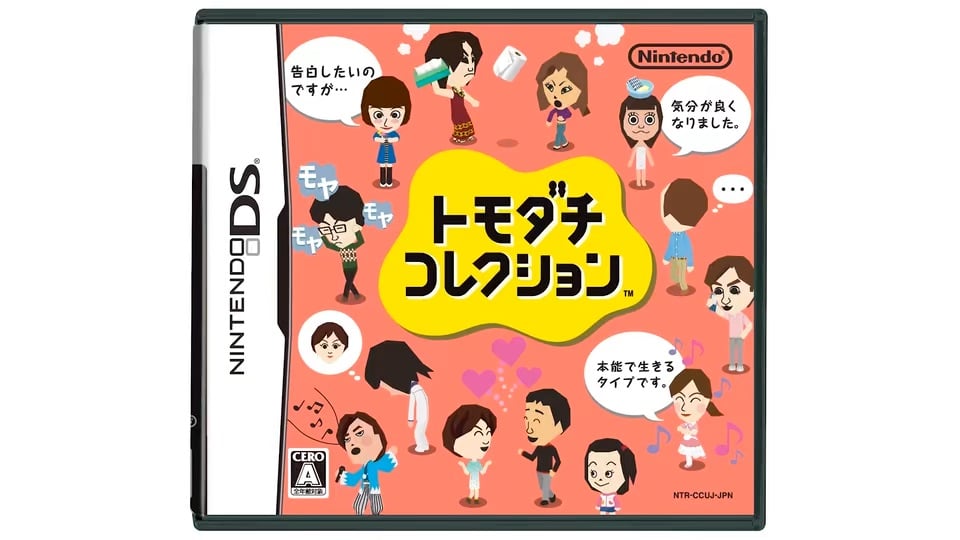
(8)The first Tomodachi Life game was released for Nintendo DS in Japan only.
When you listen to it in the game, it sounds playful with a folk dance-esque rhythm, giving it a warm, laid-back feel. But when I played it on the piano and focused on its core structure, I discovered it was surprisingly deep. That’s when it hit me—it’s actually a rich, nuanced piece of music, but by layering those playful sounds and carefree rhythms on top, it creates a delicate balance. I realized that this balance is one of the things that gives Tomodachi Life its unique musical character. Based on that idea, I wrote the main theme that serves as the world music for this title. When I shared it with Sakamoto-san and Takahashi-san, they said, “Sounds good.” (Laughs) Once the main theme was set, we continued to build out the rest of the soundtrack, adding more and more music.
So, the music's looseness is an illusion caused by its laid-back tone, when in fact the piece itself is quite rich. And the fact that you can listen to the music in such a relaxed, effortless way is what gives it that Tomodachi Life vibe.
Minegishi: Exactly. It may sound playful and simple, but there’s real complexity under the surface. As I worked on the music, I began to think this might be true for Tomodachi Life as a whole, not just the soundtrack.
That makes sense. I can see now how the various elements, including the music, are delicately balanced to create Tomodachi Life's unique atmosphere. To wrap things up, could each of you share what you’d like players to look out for in the game?
Minegishi: Given the long hiatus since the release of the previous game, I focused on making the soundtrack feel current while preserving the essence of Tomodachi Life. The previous games were on handheld consoles, but now that it’s on Nintendo Switch, some players will hear it through the console’s speakers, while others will play it in their living room and hear it through their TV's speakers. When developing the music and sound effects, I considered how they'd sound on a handheld console versus a TV. However you're listening to it, the audio will feel distinct from what you’ve heard before. I hope you enjoy it.
Kageyama: With the expanded customization features, it’s easier than ever to make Mii characters that closely resemble your friends and acquaintances. By placing them on the island you've designed using Island Builder, you'll get to see all kinds of funny situations. I’m sure you’ll have moments you just can't keep to yourself, so I hope you'll have fun telling your friends and family, “Guess what so-and-so did!”
Onishi: Previously, Tomodachi Life was only available on handheld systems, so the game screen could only be seen by the person playing. Now that the game can be displayed on a large TV screen, I hope you'll gather together with your family and friends to bond over such moments.
Ueno: In previous games, you could only see how the Mii characters lived inside their apartment building, but now they can explore the island and interact in all sorts of ways. You can pick them up and take care of them anytime you want. It was a major technical challenge to make all these interactions possible, so I hope you’ll enjoy caring for your Mii characters.
Takahashi: It’s been over ten years since the previous title, and we're truly thankful to everyone who’s been waiting. Your support and encouragement has kept us going. I hope longtime fans, as well as first time players, will enjoy this brand-new, evolved Tomodachi Life. It’s a quirky game where you create Mii characters of people you know and spend time watching and caring for them. The more you do that, the more attached to them you'll become. And who knows, maybe you'll even come to like the real person more? (Laughs) Beyond the in-game relationships, this game might even bring you closer to your family and friends in real life. I hope you’ll get to experience that, have fun playing together, and make wonderful memories.
An island packed with nine years’ worth of ideas. I’m looking forward to creating some Mii characters, deciding what kind of lives to give them, and discovering the stories they’ll tell. Thank you all so much.
What do you think about the latest "Ask The Developers" official entry for Tomodachi Life: Living The Dream? Let us know in the comments below and stay tuned for all the latest Life Sim updates on Sims Community!

0 Comments
Be the first to comment.
Welcome to Sims Community!
Our community is about connecting people through open and thoughtful conversations. We want our readers to share their views and exchange ideas in a safe space.
In order to do so, we've created a simple set of rules that will improve your experience. Simply put, keep it civil.
Your post will/might be rejected if it contains:
User accounts will/might be blocked if we notice:
So, how can you be a power user?
Thanks for reading our community guidelines. Please note that we're aware of certain issues with Sign In / Log In and Create Account / Email Confirmation issues. We're working behind-the-scenes on a new Account Creation process. Thank you for your patience and remember - freedom of speech is not freedom of reach